REVIEW · SAN FRANCISCO
2-Day Alcatraz Visit + San Francisco E-Bike Tour
Book on Viator →Operated by Bay City Bike Rentals & Tours · Bookable on Viator
Alcatraz hits hard, then the city rolls easy. This 2-day plan combines the Alcatraz ferry and a self-paced 2.5-hour audio tour with a guided e-bike ride that shows you how San Francisco actually works at street level. I especially like that the e-bike tour is guided first, then you get bike time to wander the neighborhoods you’re curious about.
The main catch is logistics. Your Alcatraz day is tied to a fixed visit date, and you’ll pick up Alcatraz tickets at Pier 33, not the Fisherman’s Wharf area where your bike tour starts. If you’re hoping for maximum flexibility or you hate planning ahead, this tour may feel a bit strict.
In This Review
- Key highlights you’ll feel right away
- Two days in one smooth rhythm: Alcatraz first, e-bike the next day
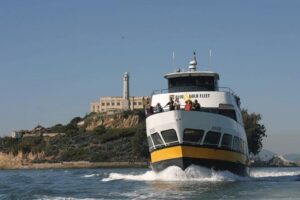
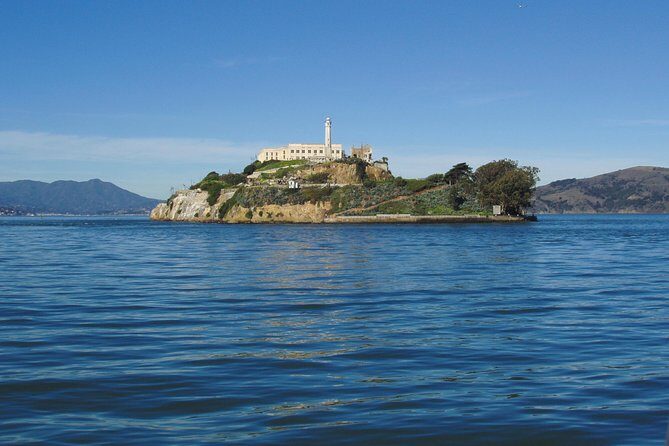
- Alcatraz Island: ferry ride, then audio-paced self-guided exploring
- How long should you plan to stay?
- The one thing you must not forget
- Where you actually need to go: Pier 33 ticket pickup and timed departures
- The e-bike day: 15 miles, up to 4 hours, with a guide and extra rental time
- What’s included vs. what’s not
- Stop-by-stop: what the SF ride gives you (and what to watch for)
- Fisherman’s Wharf kickoff
- Little Italy and Coit Tower area
- Views on views: TransAmerica, Exploratorium pass-by, and downtown waterfront energy
- Oracle Park and Mission/Valencia street scenes
- Clarion Alley murals: short stop, big payoff
- Mission Dolores Park: the Skyline photo stop
- Castro and the Wiggle into Haight-Ashbury
- Lunch break in Haight: 30 minutes at Golden Gate Park shop
- Alamo Square: painted ladies photos
- Civic Center and Polk Gulch: architecture and movement
- Ghirardelli, Hyde Street piers, Maritime Museum, and Russian Hill
- Guides matter: how Adam and Steve can change the whole ride
- Bikes and safety reality check: what to know before you roll
- Value check: is $180 per person a fair deal?
- Who this is for (and who should think twice)
- Should you book it?
- FAQ
- How long do I spend on Alcatraz Island?
- Where do I pick up my Alcatraz tickets?
- What time of day does the e-bike tour run?
- How long is the San Francisco e-bike tour and how far is it?
- Is an audio guide included for Alcatraz, and what languages are available?
- Do I need a photo ID for Alcatraz?
- What bike gear is included, and is a helmet required?
Key highlights you’ll feel right away
- Ferry + admission + audio: round-trip boat ride and a 2.5-hour self-guided island audio experience
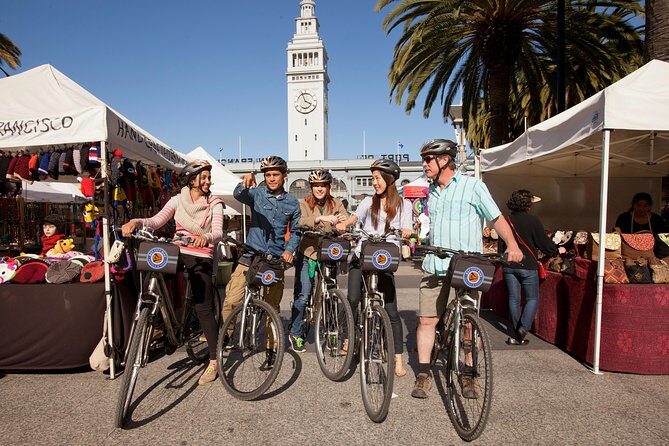
- A guide for the big picture: a 3–4 hour expert-led e-bike tour with plenty of stops and explanations
- E-bike help on hills: 15 miles over up to 4 hours, which makes SF’s climbs far more manageable
- Bonus bike time after: you keep riding after the guided portion to revisit spots without rushing
- Small-group energy: max 25 travelers, which helps when you’re moving through traffic and photo stops
Two days in one smooth rhythm: Alcatraz first, e-bike the next day
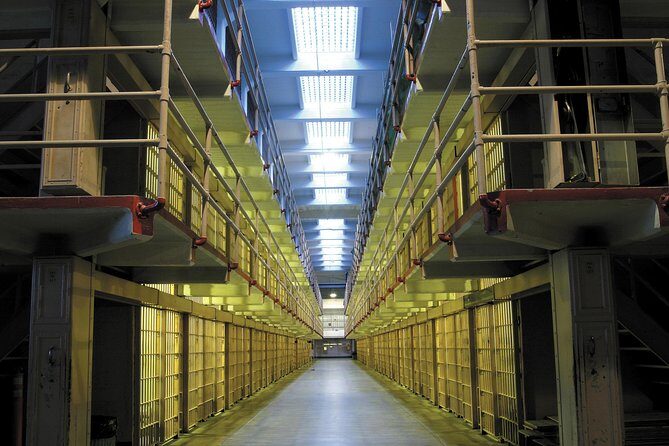
This is built like a one-two punch. Day 1 is Alcatraz on its own terms: ferry over, then your pace on the island with an audio track. Day 2 shifts gears to motion—an e-bike tour designed to help you cover real neighborhoods without burning all your energy early on.
You should expect the day-1 part to take most of your morning into early afternoon depending on your ferry time. The island visit recommendation is about 2/3 hours, but you can stay longer since ferries run every 30 to 40 minutes, with the last departure usually around 6:30 pm.
Day 2 is where you rack up distance and views without feeling punished. The guided e-bike portion is up to 4 hours and covers about 15 miles. After that, you get additional rental time so you can keep exploring on your own schedule.
You can also read our reviews of more cycling tours in San Francisco

Alcatraz Island: ferry ride, then audio-paced self-guided exploring
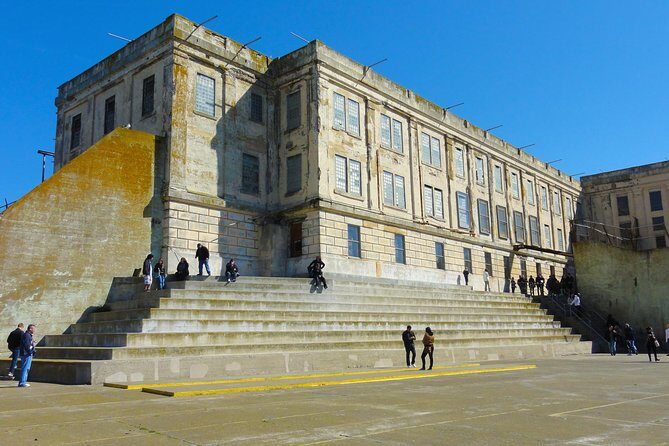
Your day starts with the official trip to Alcatraz Island, including round-trip ferry and the admission ticket you need for entry. You then use a self-guided audio tour that runs about 2.5–3 hours, available in multiple languages including English, Spanish, German, French, Italian, Japanese, Dutch, Mandarin, Portuguese, and Korean.
What I like about the audio format is control. You don’t have to keep up with a chant of facts. You can slow down for cell blocks and corridors, speed up when you’re done, and pause when a detail grabs your attention.
How long should you plan to stay?
A good target is about 2/3 hours on the island. That’s long enough to see the main areas while still leaving room to take your time as you hear the story through the audio. Since ferries keep running, you don’t need to panic about the clock every minute, but you do need to be aware of the day’s ferry schedule.
The one thing you must not forget
Bring a government-issued photo ID. Everyone boarding the ferry needs it for security. If you arrive without it, you can’t just talk your way through the line.
Also, your Alcatraz date can’t be changed after booking. So if your plans are flexible, plan on being less flexible here.
Where you actually need to go: Pier 33 ticket pickup and timed departures
This tour makes one point clear: Alcatraz ferry logistics are specific. After you confirm, you’ll get a precise Alcatraz departure time. Once you pick up your Alcatraz voucher at Pier 33, you can then board according to your timed slot.
For the most stress-free day, treat Pier 33 like a fixed appointment, not a casual stroll-stop. Build in buffer time so you can get checked in, find your group, and stay calm.
One practical note: the boat is the bridge between two different experiences—Alcatraz starts with structure, and the island experience becomes yours once you’re there. That’s a good tradeoff.
You can also read our reviews of more tours and experiences in San Francisco
The e-bike day: 15 miles, up to 4 hours, with a guide and extra rental time
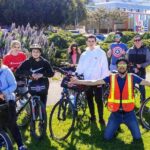
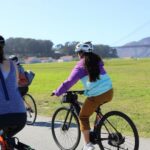
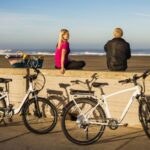
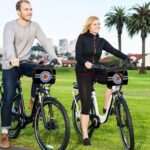
Your e-bike tour is set for the day after Alcatraz. You’ll start at the bike shop at 2661 Taylor Street in the Fisherman’s Wharf area. Helmets, a lock, and a map are included, which makes it easier to ride without adding extra gear to your packing list.
You’re on an e-bike, so you’ll spend less time fighting hills and more time looking around. Still, you’re covering real city streets. You’ll want to be comfortable riding in a group, braking safely, and making quick choices at intersections.
What’s included vs. what’s not
Included: helmet, lock, and map. The tour includes a guided ride plus bonus bike rental time for added exploration after. Not included: food and drinks, so plan for your own water and snacks.
If you think you might need a reset during the day, there’s also mention of an optional mid-way bike drop-off for an extra fee. If you’re traveling with mixed energy levels, it’s worth considering.
Stop-by-stop: what the SF ride gives you (and what to watch for)
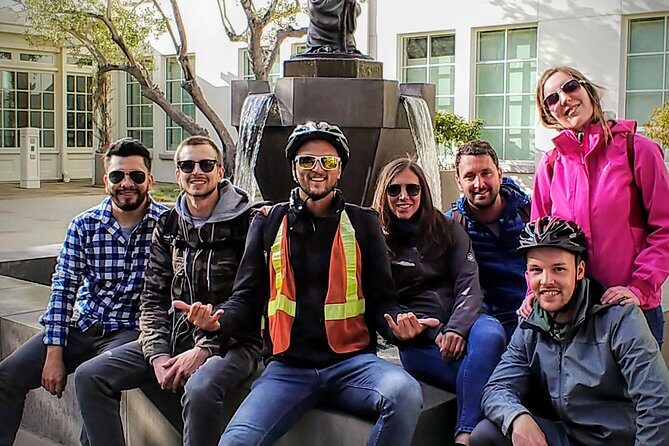
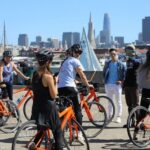
This bike route is built from short, purposeful stops plus lots of “ride and look” time. Expect frequent sighting points rather than long museum-style stops. That can feel quick—but it’s also why you get to see so much in one outing.
Fisherman’s Wharf kickoff
The tour begins at Fisherman’s Wharf at 2661 Taylor Street. It’s one of the few remaining true wharf areas, which matters because it sets the tone: you’re starting where the city’s working waterfront roots are still visible.
Then you roll out into the city with a guide who shares history and culture as you go. This is where the e-bike helps you focus on the streets rather than wrestling the terrain.
Little Italy and Coit Tower area
From the Wharf you move toward Little Italy, with a stop at Washington Square Park, located between St Peter & Paul’s Church and nearby restaurant and food spots. It’s a fast photo and view moment, with sights toward the TransAmerica building, Coit Tower, and Russian Hill.
You also get a mention of Coit Tower’s firefighter-focused design. Even if you’re not into buildings, it’s a good example of how SF ties landmarks to community identity.
Views on views: TransAmerica, Exploratorium pass-by, and downtown waterfront energy
You’ll pass the Exploratorium area—one of those spots that feels instantly recognizable once you’re near it. Then you get a ride along the bike-friendly Bay waterfront path, which is one of the best ways to get moving without constantly thinking about traffic.
The Ferry Building Marketplace is next, an iconic 1898 structure remodeled in 2003 into a food and market hub. Even when you don’t plan to shop, it gives you a sense of how the city organizes people and food around the waterfront.
Oracle Park and Mission/Valencia street scenes
You’ll ride past Oracle Park, home of the San Francisco Giants. It’s a quick stop, but it’s also a useful reference point for understanding where downtown ends and neighborhood life starts.
Then comes Mission and Valencia Streets. You’ll ride through an area that’s traditionally Latin-American and now mixes in newer trends. The route is designed to show you taquerias, thrift shopping, and the everyday rhythm of local storefronts.
If you like street-level texture—signs, murals, and sidewalk life—this segment is a highlight.
Clarion Alley murals: short stop, big payoff
Clarion Alley Murals are exactly what they sound like: street art that you can actually stop for. You can take a picture, and you might even meet the artist in the act, depending on timing.
This is the kind of stop that turns a ride into a memory, because it’s visual and personal. It’s also the sort of spot where rushing would be a shame, even if the stop is brief.
Mission Dolores Park: the Skyline photo stop
Then you reach Mission Dolores Park, with a stop at the “fruit shelf” area for skyline photos. This is a classic San Francisco viewpoint moment: you get the city spread out in front of you and the park energy under you.
Castro and the Wiggle into Haight-Ashbury
From here you ride through the Castro area, referencing its association with the Harvey Milk legacy and the LGBT movement. You’ll also ride the Wiggle, a popular local cyclist route connecting the Castro into Haight-Ashbury.
The idea is simple: you’ll see how cyclists move through the city like they belong here. That shift—from tourist mode to commuter mode—changes the whole feel of the day.
Lunch break in Haight: 30 minutes at Golden Gate Park shop
The Haight-Ashbury segment includes a 30-minute lunch stop at the Golden Gate Park shop (622 Shrader Street). You can walk around, or grab food at places like Haight Street Market.
This stop is more than lunch. It’s also a chance to see the neighborhood’s look and feel up close, not just from the bike saddle. The route even references faint sounds of music associated with the summer of love era, which helps you connect the visuals to the story.
Alamo Square: painted ladies photos
Next is Alamo Square with the famous painted ladies backdrop. It’s one of those moments where the camera roll gets a new folder. Even if you’ve seen pictures before, the scale and setting make it more real.
You then ride through an upscale shopping-and-restaurant area on the way toward Civic Center.
Civic Center and Polk Gulch: architecture and movement
Civic Center is where you see City Hall, including that it lights up in different colors each night (a reminder that the city’s mood changes with time). You’ll also get a quick nod to the lawn out front with a feel similar to a Spanish Retiro-style park.
Polk Gulch follows, tied to its earlier role as an LGBT district. The route notes that the first Gay Pride Parade in San Francisco took place on Polk Street in 1972.
If you like your city facts tied to places, this stretch does that. It gives context without turning into a lecture.
Ghirardelli, Hyde Street piers, Maritime Museum, and Russian Hill
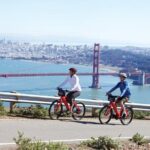
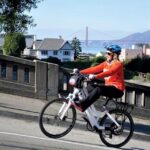
You’ll end with iconic coastal views and landmarks around Ghirardelli Square, the Hyde Street piers, the Maritime Museum area, and Russian Hill views. Then you wrap back at 2661 Taylor Street.
This final arc matters. You finish with the coast and the postcard skyline instead of ending in the middle of traffic.
Guides matter: how Adam and Steve can change the whole ride
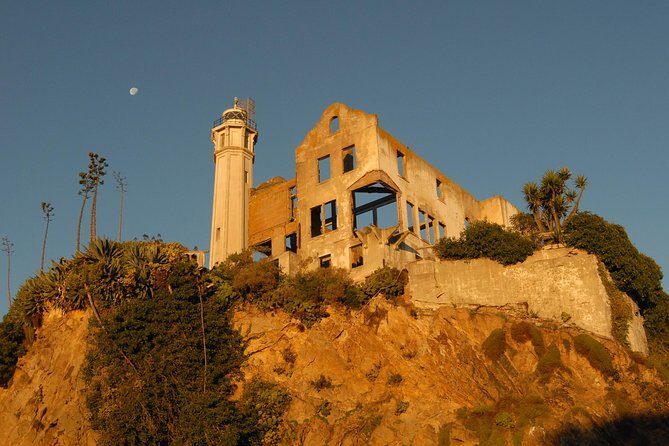
The difference between a good bike tour and a great one is the guide’s pacing and storytelling. One standout from the tour experience: Adam’s approach was fun and super knowledgeable in the way he connected what you were seeing with what made it matter.
Steve also came up as a guide who customized the tour for kids around ages 10 and 13, which tells you something important: this isn’t a one-speed-only group ride. If you have mixed ages or varied comfort levels, a flexible guide can make the experience smoother.
That said, keep realistic expectations. The route still includes busy street moments and quick intersections, so your comfort level with riding in traffic will shape how enjoyable the ride feels.
Bikes and safety reality check: what to know before you roll
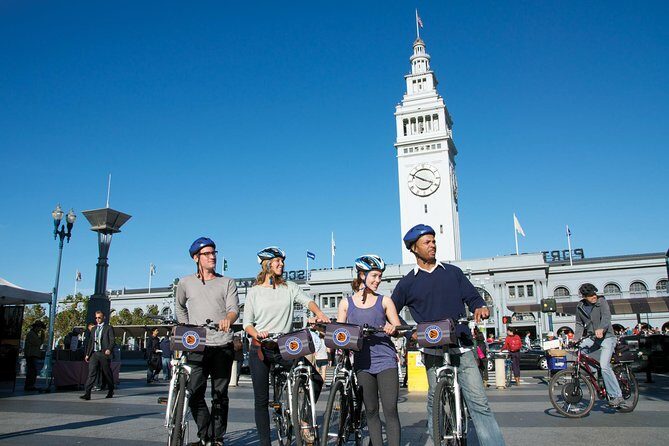
E-bikes make SF doable, but they’re still bikes. One caution from the experience: some bikes may need extra attention, including squeaks and chain issues during braking for a small number of bikes. In that case, the guide handled repairs on the fly.
So here’s what I recommend you do at the start: pay attention to how the brakes feel, listen for unusual noises, and make sure your bike is operating smoothly before you take off. If anything feels off, say something immediately. You’ll be safer, and you’ll avoid losing time later.
Also, expect intersections in traffic and group dynamics where braking timing and line position matter. If you’re riding with teens or a group with different comfort levels, ask the guide early how they handle split-second situations.
Value check: is $180 per person a fair deal?
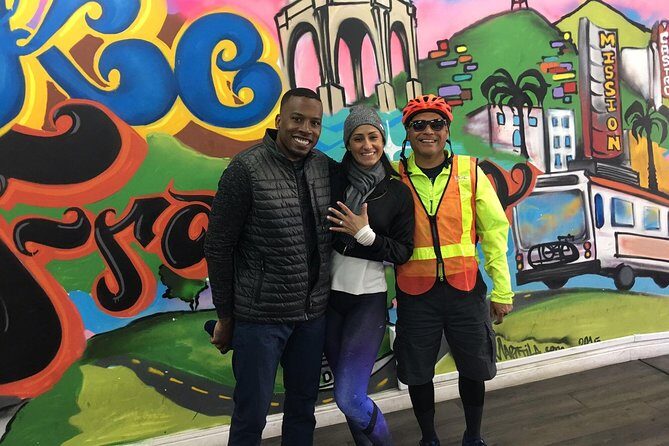
At $180 per person, you’re paying for two things: a major attraction day and a second day of guided riding plus bike time. Here’s why that can be good value.
You’re getting:
- Alcatraz ferry + admission + audio (not just a ticket, but the full ferry-linked setup)
- A guided e-bike tour (3–4 hours) with an expert guide and route stops
- Helmet, lock, and map
- A bonus bike rental afterward for additional exploration
If you were to book Alcatraz separately and then hire a separate SF bike tour, the cost typically adds up fast. Bundling matters here because Alcatraz requires timed planning and specific ferry entry, and bike tours save you the effort of routing across hills and neighborhoods.
The price is also easier to justify if you like structure on one day and flexibility on the other. Day 1 gives you a fixed, guided setup for one of the world’s most famous prison sites. Day 2 gives you motion and then breathing room with extra bike rental time.
The tradeoff is that you don’t get to change the Alcatraz date after booking. So make sure your schedule locks in for that fixed day.
Who this is for (and who should think twice)
This works best for:
- People who want Alcatraz done right without trying to stitch together ferry timing on their own
- Travelers who like guided storytelling but also want time to roam after
- Families with kids who can ride a bike for a few hours, especially if your group benefits from customization
- Anyone who wants a big-neighborhood SF overview in a single day without exhausting themselves climbing hills
You should think twice if:
- You hate fixed-date planning. The Alcatraz date can’t be adjusted once booked.
- You’re not comfortable riding with a group in city traffic.
- You’re expecting long, slow stops at every site. Many of the stops are short, by design.
Should you book it?
If you want the best combo of history plus a practical SF ride plan, I’d book this. The ferry-and-audio Alcatraz setup is the kind of “show up and do it” experience that saves time and stress. The e-bike day is a smart way to see a lot of neighborhoods without burning your legs on hills, and the bonus rental time gives you control after the guide drops you.
Just go in prepared: bring your ID, follow the Pier 33 timing for Alcatraz, and do a quick bike check for braking and smooth movement. If you do that, this is one of those rare tours that feels efficient without feeling rushed.
FAQ
How long do I spend on Alcatraz Island?
You’ll get a self-guided audio tour that lasts about 2.5–3 hours. The recommendation is about 2/3 hours on the island, but you can stay as long as you’d like while ferries run (departures every 30 to 40 minutes).
Where do I pick up my Alcatraz tickets?
You pick up your Alcatraz voucher and tickets at Pier 33.
What time of day does the e-bike tour run?
The tour times aren’t listed as a set schedule, but your Alcatraz day has a precise departure time after confirmation. Your bike tour is reserved for the day after your Alcatraz trip.
How long is the San Francisco e-bike tour and how far is it?
The electric bike tour is 15 miles and lasts up to 4 hours.
Is an audio guide included for Alcatraz, and what languages are available?
Yes. The Alcatraz experience includes a self-guided audio tour lasting about 2.5–3 hours, available in English, Spanish, German, French, Italian, Japanese, Dutch, Mandarin, Portuguese, and Korean.
Do I need a photo ID for Alcatraz?
Yes. A government-issued photo ID is required for all guests to board the Alcatraz ferry.
What bike gear is included, and is a helmet required?
Helmet, lock, and map are included, and bike helmets are mandatory. A credit card with ID (one per party) is required to be on file for a security deposit.