
REVIEW · SAN FRANCISCO
San Francisco: Go City Explorer Pass with 2-5 Attractions
Book on GetYourGuide →Operated by Go City - USA · Bookable on GetYourGuide
San Francisco can feel like a test of willpower, but this pass makes it easier: fewer ticket errands. I like how the Aquarium of the Bay pulls you in with underwater glass tunnels and touch pools, and I also like that the digital pass lands right on your phone (or you can print at home) with instructions in the app.
The possible drawback is simple: a few of the top-ticket experiences often need reservations, and attractions can change. So it’s not a “show up whenever” plan unless you’re flexible with dates and times.
I recommend this kind of pass if you want to move around San Francisco on your schedule, while still getting value compared to paying one-by-one for major sights.
In This Review
- Key points to know before you go
- How this Go City Explorer Pass changes your San Francisco days
- Picking the right mix: 2 vs 3 vs 4 vs 5 attractions
- Aquarium of the Bay: glass tunnels and touch pools
- California Academy of Sciences: a science day that doesn’t feel stuffy
- Escape from the Rock cruise: the Alcatraz view you can’t get on foot
- Exploratorium, SFMOMA, and other included stops: how to choose your second anchor
- Big Bus hop-on-hop-off and getting around with less stress
- Cable cars and city rides: keeping the charm, skipping the planning spiral
- Bikes, GoCar, and the self-paced side of San Francisco
- A practical way to schedule your 2–5 attractions
- Activating and using your phone pass without headaches
- Should you book the San Francisco Explorer Pass?
- FAQ
- How many attractions are included in the San Francisco Go City Explorer Pass?
- Where do I activate my pass?
- When does the pass become active?
- How long do I have after activating the pass?
- What is the overall validity period for the pass purchase?
- Do I receive the pass digitally?
- Do attractions require reservations?
- Can the included attraction list change?
- What is the cancellation policy?
Key points to know before you go
- Choose 2 to 5 attractions so you can match your pass to how packed (or relaxed) your trip feels
- Aquarium of the Bay is the standout option, with both glass viewing and touch pools
- California Academy of Sciences is a strong anchor if you like learning through hands-on style exhibits
- Escape from the Rock gives you a cruise-style perspective of Alcatraz that feels different from land views
- Big Bus + other SF experiences help you get your bearings fast without over-planning every ride
- Most popular picks need reservations, so check the Go City app early and plan around those time slots
How this Go City Explorer Pass changes your San Francisco days

This isn’t a “guided tour where you follow a group” kind of ticket. It’s a sightseeing pass that lets you pick 2, 3, 4, or 5 attractions from a list of 30+ options, then use the included entries over a set window.
That matters because San Francisco is all about variety. One day you might want marine life and ocean air. Another day you might want museums, neighborhoods, or views. With the Explorer Pass, you’re not stuck doing everything just because it’s famous. You choose what fits your energy.
Price-wise, the pass is presented as saving up to 50% versus buying individual tickets. The real value shows up when you select a couple of premium sights (like an aquarium, a major science museum, and a bay cruise). If you mostly choose low-cost items, the savings can shrink fast. So you’ll get the best deal by picking attractions that normally feel pricey on their own.
You can also read our reviews of more city tours in San Francisco



Picking the right mix: 2 vs 3 vs 4 vs 5 attractions
You don’t just buy a pass. You’re buying flexibility with a cap. Here’s how I’d think about it:
If you choose 2 attractions, you’re planning a focused day or a quick hit for a longer trip. This works well if you already have other things lined up (cable car rides, neighborhoods, parks) and you just want two “big ticket” entries handled.
If you choose 3 attractions, you can build a balanced mini-program: one anchor museum, one “wow” experience, and one extra activity to fill the gaps.
With 4 or 5 attractions, you can get very efficient. This is where reservations become more important. You’ll likely want to schedule your time-sensitive items first, then slot museums and self-guided choices around them.
Also remember: the pass gives you a month, but it doesn’t mean every attraction is equally flexible with time slots. Some are easier to use than others, so pick your priorities before you spread your days thin.
Aquarium of the Bay: glass tunnels and touch pools

If you only choose one “must-do,” the Aquarium of the Bay is the kind of place you can’t fake with pictures. The key detail is that it’s not just looking. You get underwater glass tunnel viewing and touch pools.
What that means for your visit: you’ll likely spend enough time to actually feel the ocean theme rather than just walk through quickly. It’s also a great reset after walking around the city. You get a cool, indoor break without losing the waterfront vibe.
One practical tip: go with enough time to slow down. The tunnel areas and touch zones tend to attract attention, and you’ll want a real moment there instead of treating it like a stopover. If you’re traveling with kids or anyone who likes interactive experiences, this option tends to land well.
California Academy of Sciences: a science day that doesn’t feel stuffy
The California Academy of Sciences is a strong pick when you want learning that feels like an actual experience, not just reading plaques all afternoon. The pass description focuses on understanding the natural world, and that’s the right expectation.
Why it’s valuable with this pass: it’s a high-quality anchor that can take a big chunk of your day. That makes it perfect when you’ve got other activities scheduled in the surrounding neighborhoods and you want something reliable in the middle.
A smart strategy is to pair this with a second, different “texture” attraction. For example, do the aquarium on a lighter-feeling day, then book the Academy when you want a structured museum block. If you’re trying to hit both, give yourself breathing room so you don’t end up rushing just to “use all the entries.”
If you’re the type who likes animals, ecosystems, and natural history themes, the Academy is one of the easiest ways to justify a higher-attraction-count pass.
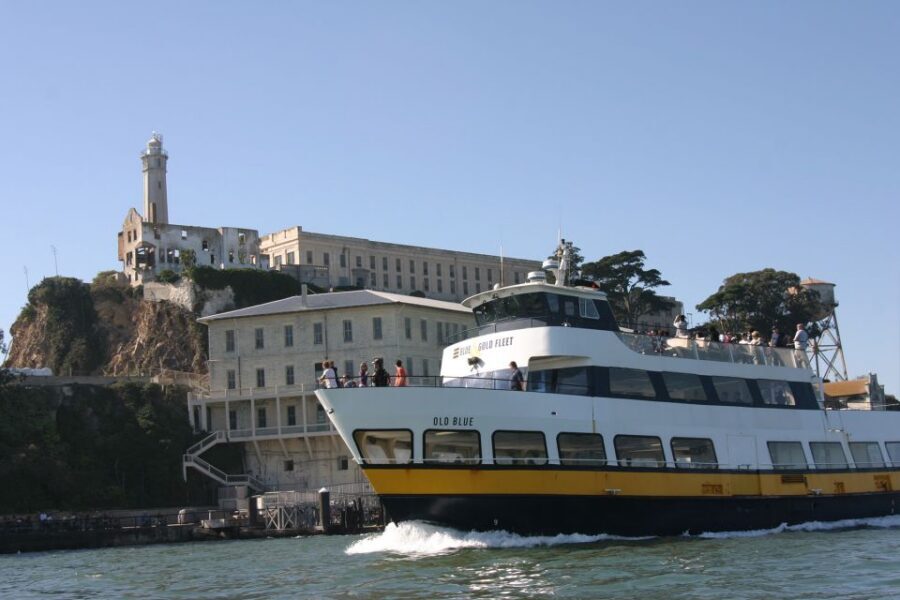
Escape from the Rock cruise: the Alcatraz view you can’t get on foot

When people say San Francisco has killer views, they usually mean hills and waterfront. The Escape from the Rock cruise is a different angle: you’re sailing and getting a perspective on Alcatraz from the water.
The value here is motion. Land photos compress the scene. A cruise lets you see how the coastline opens up and how the island sits in the bay. It’s also a nice change of pace in a city where you can spend hours just moving between neighborhoods.
This is also one of those options where your planning matters. Bay cruises can have specific operating times, and this kind of top choice is among the ones that may need reservations. If that’s in your plan, treat it as a cornerstone, not an afterthought.






Exploratorium, SFMOMA, and other included stops: how to choose your second anchor
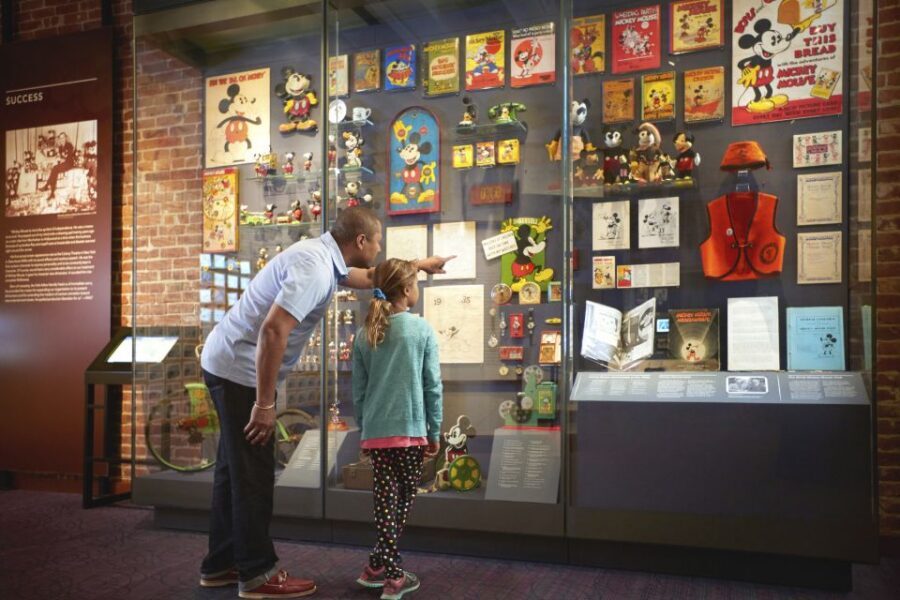
The pass includes a range of options, from science museums to art to historic sites. The trick is choosing the right second anchor based on your personality and your weather.
Here’s a simple decision guide:
- If you want more science time, look at options like the Exploratorium (great for a museum day when the city weather isn’t cooperating).
- If you want art and design energy, consider SFMOMA.
- If you want a hands-on, animal-forward day, check the San Francisco Zoo.
- If you want history you can walk through, the USS Pampanito is on the list.
For me, the best pairings are the ones that don’t compete. Don’t stack two “heavy indoor museum days” if you’ll be tired. Instead, mix one big museum with one experience that changes your view—like a cruise—or something outdoors—like biking.
Big Bus hop-on-hop-off and getting around with less stress

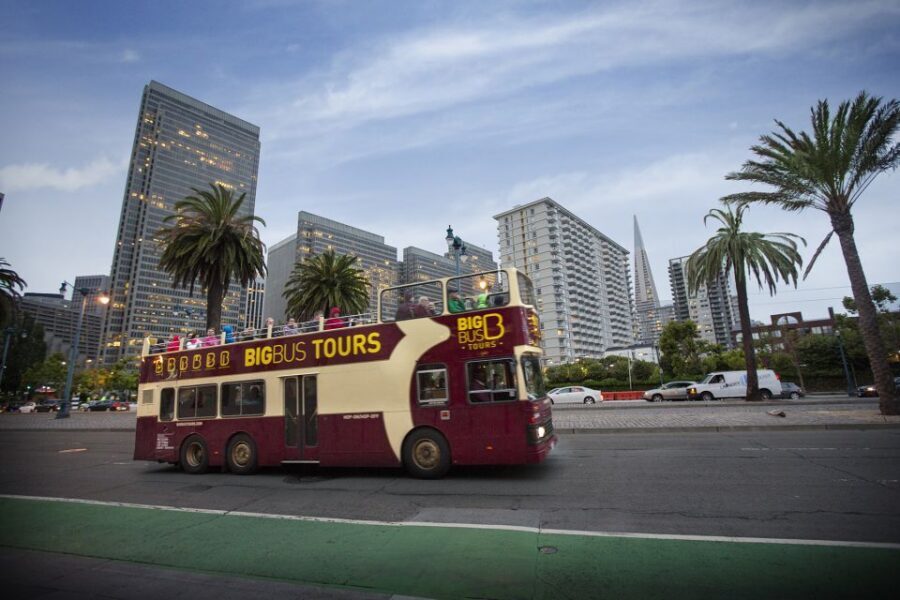
San Francisco has a lot of vertical drama, and logistics can wear you down. That’s why the included Hop-On Hop-Off Big Bus 1-Day Classic Tour is a good companion to the attraction entries.
Here’s what I like about it: it helps you build a mental map fast. When you’re bouncing between neighborhoods and museums, knowing where things sit relative to each other can save time later.
One detail that really helps: a recent booking noted the Big Bus option was usable across two days. Even if you don’t plan that way, it’s good to know you may have more flexibility than a strict one-day mindset would suggest.
Pairing tip: If you’re using the cable cars too, do your “orientation” ride first. Then use your remaining time to target neighborhoods you actually like.
Cable cars and city rides: keeping the charm, skipping the planning spiral
The pass list includes the Ride the San Francisco Cable Cars with the 1 Day Muni Pass option. Cable cars are part of the city’s identity, and the benefit of bundling is that you’re less likely to overthink every ride.
This is a good choice if you want the classic experience without adding ticket hassle to your day. It also pairs well with museum hours, because you can ride when it’s convenient and then stay flexible about what you do next.
If you’re trying to compress your trip, cable cars are also a “quick win.” They’re not just transport; they’re an experience you can point your day around.
Bikes, GoCar, and the self-paced side of San Francisco
The pass also includes alternatives for moving through the city under your own control:
- San Francisco 4-Hour Bike Rentals with Unlimited Biking
- All-Day Comfort Bike Rental by Blazing Saddles
- GoCar 1 Hour Tour
These are valuable because San Francisco feels built for roaming, not for sitting. Bikes can get you to viewpoints and waterfront paths faster than foot travel. A one-hour GoCar can help you cover more ground if you don’t want to commit to a full-day plan.
The main drawback is also the main trade-off: these options work best when you’re comfortable navigating on your own and keeping track of timing. If you’re the type who enjoys very structured days, you might prefer museum and cruise slots and use these as supporting choices rather than the whole plan.
A practical way to schedule your 2–5 attractions
You’ll have the smoothest trip if you schedule like this:
1) Start by locking any time-sensitive items (the ones you may need to reserve).
2) Then place your museum anchors—like the Aquarium of the Bay or the California Academy of Sciences—in the middle of your day blocks.
3) Use lighter attractions for your “in-between” time, such as city rides or one-hour experiences.
Also, don’t forget the pass timing rules: it’s valid for 1 year from purchase, but it only becomes activated with your first attraction visit. After activation, you have 30 days to use the remaining attractions you bought.
That means you shouldn’t wait until the last possible moment to start. If you’re arriving with a busy schedule, plan your first attraction early so you’re not compressing the rest into a single frantic week.
Activating and using your phone pass without headaches
The pass is designed to be easy to use. You activate your pass at any included attraction or tour. You can sync it with the Go City app for the best experience, and you can also save it to your phone/tablet or print it.
The best move is to do the setup before you leave your hotel. Once you arrive, you want to be walking toward your first stop, not troubleshooting an app.
Also, keep an eye on updates. The lineup and operating hours can change, and the Go City app is where you’ll see the most up-to-date info.
A tiny habit that saves time: check reservation needs right away. If an experience requires a booking, waiting usually turns into a missed slot. And San Francisco is not the city where you want to spend your only free morning searching for plan B.
Should you book the San Francisco Explorer Pass?
Book it if you want a self-paced trip with real value and you’re planning at least two major attractions—especially a mix like Aquarium of the Bay, California Academy of Sciences, and a bay cruise such as Escape from the Rock. The pass is built for variety, and it helps you avoid the ticket-buying grind.
Skip it (or reduce your attraction count) if your plan is mostly low-key add-ons, or if you’re traveling during a busy holiday period where reserving can get tricky. In that case, the flexibility can turn into pressure.
If you like structure but hate rigid group tours, this is a sweet spot. You choose what matters to you, and the pass handles the big entries so you can spend your energy on the actual San Francisco moments: tunnels under water, learning about the natural world, and that water-level view of Alcatraz.
FAQ
How many attractions are included in the San Francisco Go City Explorer Pass?
You can select 2, 3, 4, or 5 attractions and tours from a list of 30+ options.
Where do I activate my pass?
You activate your pass at any of the attractions or tours included in the San Francisco Explorer Pass.
When does the pass become active?
The pass becomes activated when you visit your first included attraction.
How long do I have after activating the pass?
After activation, you have 30 days to visit the remaining number of attractions included with your pass.
What is the overall validity period for the pass purchase?
The pass is valid for 1 year from the purchase date.
Do I receive the pass digitally?
Yes. You can get the pass delivered to your phone, or you can print it at home.
Do attractions require reservations?
The most popular activities require reservations, so it’s best to reserve well in advance.
Can the included attraction list change?
Yes. Attractions and tours are subject to change, and the Go City app has the most up-to-date line-up and instructions.
What is the cancellation policy?
You can cancel up to 24 hours in advance for a full refund.