REVIEW · SAN FRANCISCO
San Francisco’s Wild Side, Ecotour With Meteorologist
Book on GetYourGuide →Operated by John Shrable · Bookable on GetYourGuide
San Francisco’s fog comes with a backstory. This small-group ecotour links Golden Gate Park ecology with a meteorology-minded look at Bay weather, then caps it off with tiled stair climbs and big panorama time. I like that you’re not stuck in one “pretty spot,” you’re moving through real neighborhoods and real park corners. One heads-up: you’ll climb multiple stairways and walk some dirt paths, so comfortable shoes matter and the pace can feel like a workout.
What I really love is the way John Shrable turns the day into a weather-and-nature lesson you can actually use. You get a local scientist’s eye on trees, climate, and the city’s microclimates—plus time to ask questions as you go. A second big plus for me: the route is packed with variety, from redwood groves to Inner Sunset architecture to those famous ceramic-tile stairways.
If you want an easy stroll with zero stairs, this isn’t that. It’s slow, but it’s still active, and it isn’t suitable for people with mobility impairments.
In This Review
- Key highlights you’ll feel right away
- Where the wild starts: Golden Gate Park, redwoods, and city-scale nature
- Golden Gate Park route: redwoods, Monarch Bear Grove, Shakespeare Garden, and statues
- The meteorologist factor: weather talk that actually changes how you look
- Inner Sunset stroll: architecture, everyday life, and sourdough on purpose
- Two sets of tiled stairways: ceramics, stories, and a legit leg workout
- Grandview Park finish: ocean-to-bay views or fog above fog
- What you should bring, and who this is best for
- Price and value: why $35 can feel like a bargain
- Final verdict: should you book San Francisco’s Wild Side?
- FAQ
- How long is the tour?
- How much does it cost?
- Where do we meet?
- What language is the tour guide?
- Is food included?
- What should I bring?
- Is this tour suitable for mobility impairments?
- How big is the group?
Key highlights you’ll feel right away
- Meteorology you can test with your own eyes: fog, ocean air, and cloud cover make sense as you climb and look out.
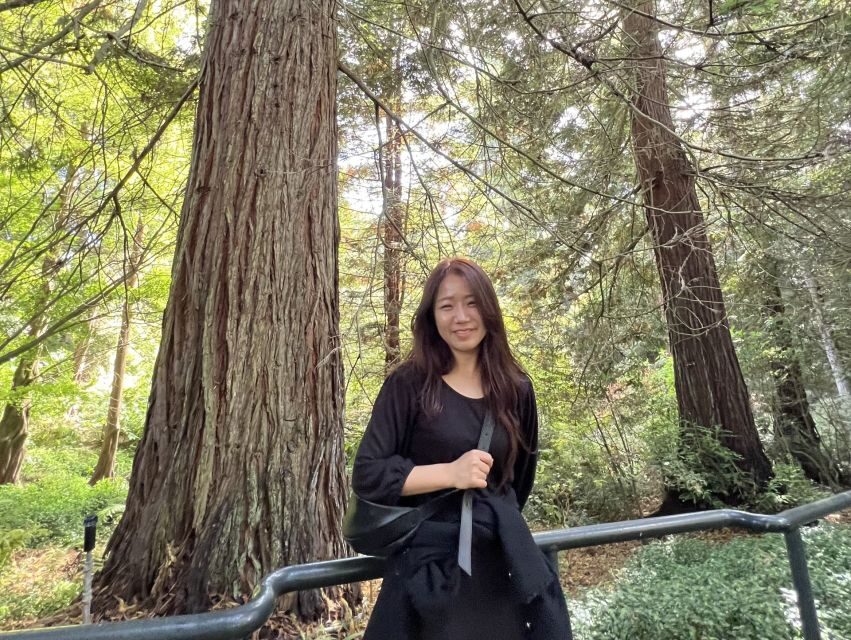
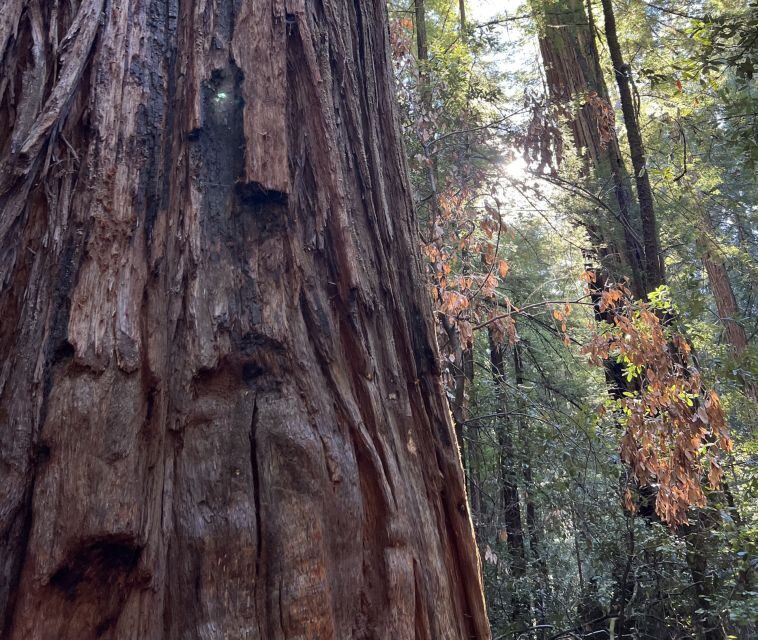
- Redwood groves in the middle of the city: you learn why these trees matter and how the park supports them.
- Golden Gate Park stops that aren’t just postcard stops: Monarch Bear Grove, Shakespeare Garden, statues, Music Concourse, and the Conservatory of Flowers area.
- Inner Sunset character plus a sourdough option: you can pick up freshly made San Francisco sourdough and baked goods from local bakeries.
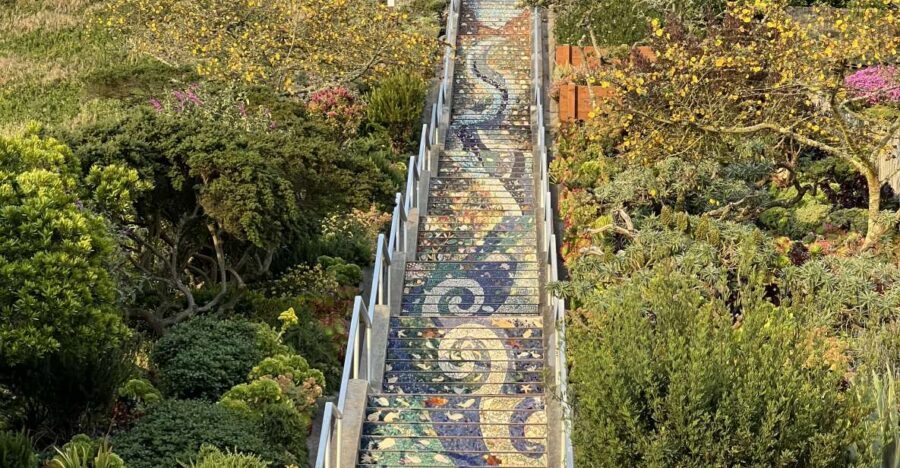
- Two sets of iconic tiled stairways: you’ll learn how the tile design tells stories and how the area is maintained.
- Grandview Park finish with viewpoint payoff: on clear days you can see Pacific-to-bay, and on foggy days you’ll look above the fog.
Where the wild starts: Golden Gate Park, redwoods, and city-scale nature
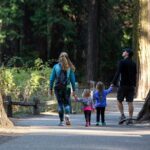
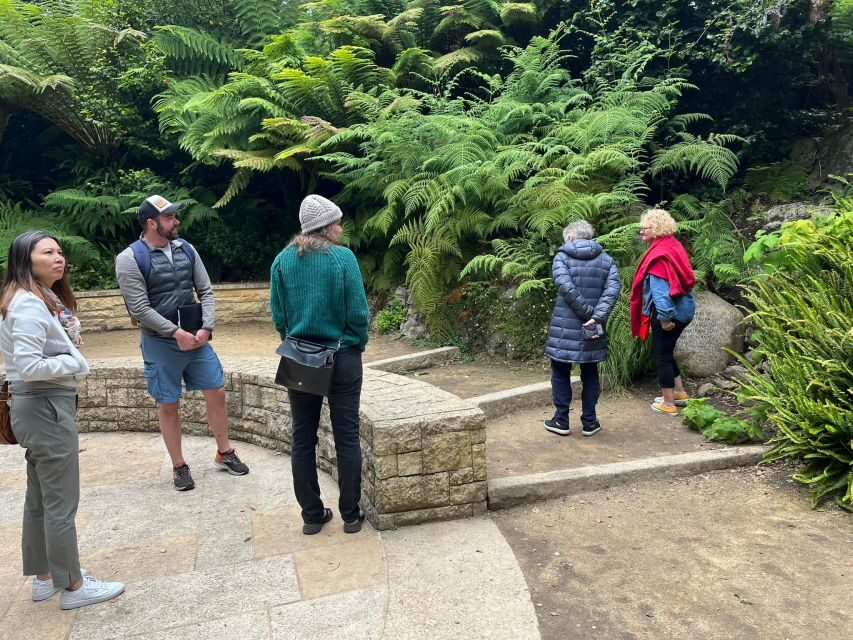
The tour kicks off at a spot that’s easy to find if you like starting from landmarks: the intersection of Nancy Pelosi and Bowling Green Drives, right in front of the National AIDS Memorial Grove. Then you head into Golden Gate Park, where the city noise thins out fast once you’re under the trees.
Meeting in a redwood grove matters more than it sounds. Golden Gate Park is famous, sure, but it can also feel like one big “park day.” This start reframes it. You’re not just sightseeing trees; you’re learning how these living systems fit into a place built for people. And because the guide is John Shrable—who brings meteorology into the mix—you’ll often hear how weather patterns connect to what you see on the ground.
One of my favorite ways to use this part of the day: pay attention to how the temperature and light change as you move. Golden Gate Park can feel cooler where fog and coastal influence linger, and warmer in spots that catch sun. When your guide explains what’s driving it, the park stops being a backdrop and becomes an atmospheric system.
You can also read our reviews of more tours and experiences in San Francisco.
Golden Gate Park route: redwoods, Monarch Bear Grove, Shakespeare Garden, and statues
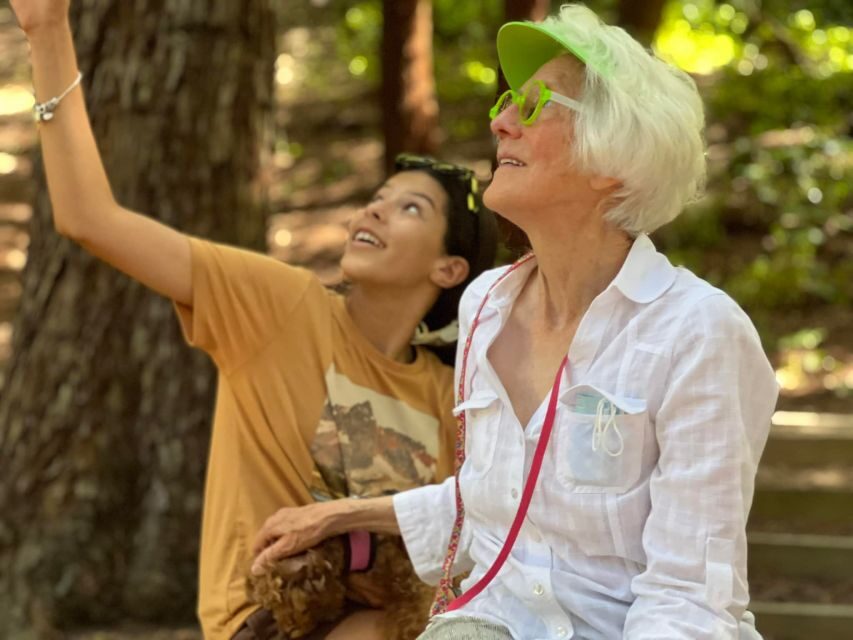
After that first grove introduction, the walk continues through Golden Gate Park with multiple stops that feel like “small chapters” rather than one long generic loop.
You’ll pass through areas tied to plant life and habitat, including the Monarch Bear Grove. Even if you’ve heard “Golden Gate Park” a hundred times, Monarch Bear Grove is the kind of detail that makes the place feel specific. It’s also a good reminder that urban nature isn’t random—it’s managed, planned, and cared for.
Then there’s Shakespeare Garden, which helps break up the ecology-only focus. This is where the park shows its softer, design-driven side: you’re seeing how landscapes and stories can share space. And along the way you’ll also look out for hidden statues—not hidden in the “secret tunnel” sense, but hidden in the “you’d walk right past this” sense. That’s exactly what a good local science guide does: it trains your eyes.
The route also includes time through the Music Concourse area and ends this park portion near the Conservatory of Flowers. These stops help you connect “nature” to “culture” without turning the whole thing into museum time. You get architecture and garden design cues while still staying in walking mode.
A practical thought: Golden Gate Park distances can trick you. You’re moving for 150 minutes total, so you’ll want to treat this section like a steady hike, not a casual amble. The tour pace is described as slow, but you’re not meant to park yourself every five minutes.
The meteorologist factor: weather talk that actually changes how you look
The tour name includes Wild Side, but the biggest difference maker is the meteorologist angle. John Shrable doesn’t just tell you that San Francisco has fog—he helps you understand why it shows up, how it affects what you feel underfoot, and why the Bay Area weather can shift on a short timeline.
I especially like this because weather is one of the easiest ways to feel like you “missed something” in San Francisco. If you only see fog from a distance, it can feel like a barrier. With this tour, you’re learning to read it. You’ll learn how coastal influence shapes temperature and visibility, and why viewpoints matter even when the sky looks gray.
This meteorology approach also explains the city’s famous thermal patterns. When you later reach Grandview Park and see how fog behaves like natural air conditioning, the earlier weather talk stops being trivia and starts feeling practical.
And yes—you can ask questions. People in the reviews mention that John is happy to respond to weather-related questions, and that the day feels interactive rather than like a lecture.
Inner Sunset stroll: architecture, everyday life, and sourdough on purpose
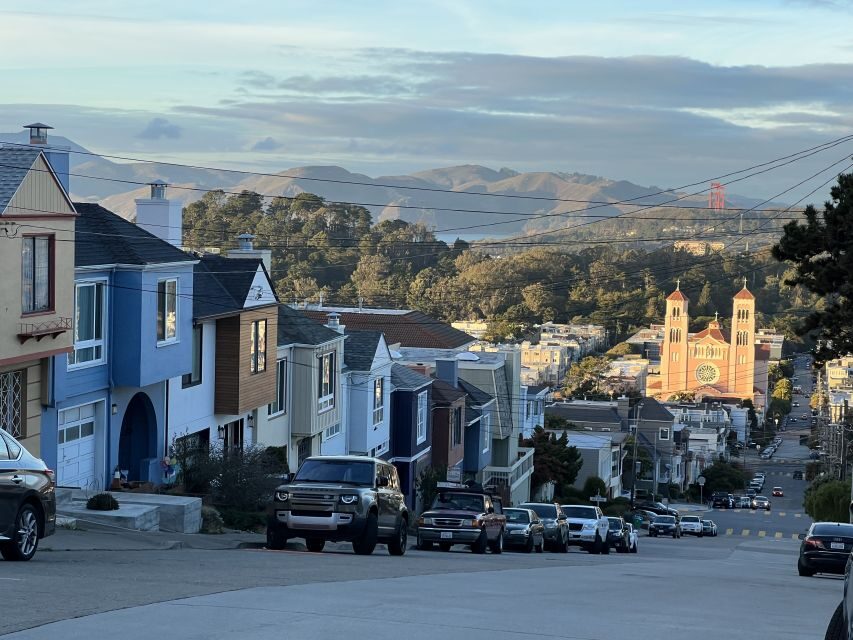
Once the park part wraps, the tour shifts gears into Inner Sunset. This is the part I like most for “real SF.” Golden Gate Park is iconic, but it’s still a planned green space. Inner Sunset shows you how the city lives when it’s not being photographed.
You’ll walk through neighborhood streets where you can spot the unique character of the area—especially the architecture—and you’ll get context about how the neighborhood developed. The aim here isn’t to turn this into a history class, though. It’s to help you connect dots: what you’re seeing in homes and streets links back to the city’s broader pattern of growth and design.
There’s also a practical food moment. You’ll have a chance to purchase fresh San Francisco sourdough and baked goods at multiple bakeries along the way. The important detail: these treats are not included. You’re choosing what you want, when you want it, which makes the day feel flexible rather than forced.
Tip for maximizing this section: don’t just treat it like a snack stop. Walk slowly for a few blocks and look at doorways, street-level details, and the way people move in the neighborhood. This tour is best when you’re paying attention with a purpose.
Two sets of tiled stairways: ceramics, stories, and a legit leg workout
Then the tour turns into a very San Francisco kind of challenge: tiled stairways.
You’ll climb two sets of iconic stairs, each made of thousands of ceramic tiles. These aren’t just “pretty stairs.” John Shrable explains how the tile design tells stories and why maintenance matters. That history-of-the-tile angle is a big reason this doesn’t feel like a random stair climb.
Also, the views you get are tied to elevation. As you climb, you’ll see more of the city grid and you’ll feel how the wind and fog can change street-to-street. That’s a good moment to remember the meteorology thread: in San Francisco, weather can be spatial, not just seasonal.
It’s worth being honest about effort. The tour includes multiple stairways and some dirt paths, and it’s described as slow—but it can still feel like a workout. Bring comfortable shoes and expect to use your legs, not just your camera.
If you’re someone who likes “learning while moving,” these stairs are a good match. You get time to look up at the tiles, time to listen, and time to pause for breaks when you need them.
Grandview Park finish: ocean-to-bay views or fog above fog
The tour culminates at Grandview Park, which is where you earn the day’s best panorama moment.
Depending on conditions, you’ll either get a view that reaches from the Pacific Ocean across to the Bay, or you’ll be looking down (or out) above the fog—described as bird’s-eye views over the fog that helps cool the city like natural air conditioning.
This is one reason I like a tour like this even when you’re not sure about the weather. It doesn’t punish you for a gray day—it reframes it. If the fog rolls in, you still get a dramatic payoff because you’re experiencing the effect from a higher vantage point.
After the viewpoint moment, the tour finishes along Inner Sunset’s 9th Avenue Strip, where you’ll have dining options and easy access to public transportation for the rest of your evening.
What you should bring, and who this is best for
This experience is 150 minutes, in a small group limited to 10 participants, with a live guide in English. That small-group size is part of why it works: you can hear explanations without shouting, and you can ask questions instead of just listening to the loudest person.
What to bring is simple but important:
- Comfortable shoes
You should also plan clothing for shifting conditions. In San Francisco, layers beat one “perfect outfit” because weather and wind can change quickly, especially when you’re climbing and moving between tree shade and open views.
This tour is best for:
- People who like walking and light-to-moderate climbing
- Visitors who want more than the usual sights and want an explanation for the Bay’s weather quirks
- Locals who think they know Golden Gate Park but want a new way to see it
It’s not the best match if you need a fully flat route. The tour isn’t suitable for people with mobility impairments, because of the stair climbing and dirt paths.
Price and value: why $35 can feel like a bargain
At $35 per person for a 150-minute guided walk, the value comes from three things.
First, you’re paying for a local guide who isn’t only giving facts, but connecting nature and weather. John Shrable’s meteorology background is the twist that makes the “eco tour” idea feel different from a basic park walk.
Second, you’re getting variety in a single session—redwood groves, multiple named Golden Gate Park areas, an Inner Sunset neighborhood section, tiled stair climbs, and a final viewpoint. That’s a lot of ground covered for one price.
Third, small-group format matters. With a group capped at 10, you’re more likely to get your questions answered and to feel like you’re part of the experience, not an audience.
Included items are light but helpful: a light snack and bottled water. You’ll also have the option to buy sourdough along the route if you want it, rather than having a single forced meal.
If you’re on a tight schedule and you want one afternoon activity that mixes nature, city design, and weather context, this sits in a sweet spot for cost and impact.
Final verdict: should you book San Francisco’s Wild Side?
I’d book it if you want San Francisco with a “why” behind the scenery—trees, climate, and fog patterns explained in a way that changes how you look at the city. The mix of Golden Gate Park ecology, Inner Sunset neighborhood texture, and those tiled stairway views makes it feel like a full story in 150 minutes.
I’d skip it if stairs are a problem for you or if you want a purely easy walk with minimal effort. And if your idea of fun is sitting in one spot for a long time, this tour is not that either.
If you’re flexible, bring good shoes, show up ready to walk, and expect a smart, friendly guide—John Shrable is the type who turns a gray day into something you can understand.
FAQ
How long is the tour?
The tour duration is 150 minutes.
How much does it cost?
The price is $35 per person.
Where do we meet?
You meet at the intersection of Nancy Pelosi and Bowling Green Drives, directly in front of the National AIDS Memorial Grove.
What language is the tour guide?
The tour guide speaks English.
Is food included?
A light snack and bottled water are included. San Francisco style sourdough can be purchased individually along the route.
What should I bring?
Bring comfortable shoes.
Is this tour suitable for mobility impairments?
No. It is not suitable for people with mobility impairments.
How big is the group?
The tour is a small group limited to 10 participants.