REVIEW · SAN FRANCISCO
17-Mile Drive, Monterey Peninsula &Carmel Max 12 Small Group Tour
Book on Viator →Operated by Jupiter Legend Corporation · Bookable on Viator
A full day of coast without the driving. This max 12-person Monterey Peninsula tour strings together some of California’s most famous coastal stops, starting and ending in San Francisco. You’ll ride in a comfortable coach, get 17-Mile Drive entry included, and spend the day moving at a human pace.
I really like that the big-ticket scenery is built into the schedule with multiple short, focused photo/walk stops, not just long bus time. I also like the practical extras: water plus light snacks, plus admission coverage for key sights like Bird Rock Vista Point and Lone Cypress.
One thing to keep in mind: the quality of the day can depend heavily on your guide’s narration and clarity in English during the longer drives.
In This Review
- Key highlights to know before you go
- A small-group coastal day from San Francisco (and why it matters)
- Riding the Pacific Coast Highway route: the best kind of highway sightseeing
- Pigeon Point Light Station: a short stop with a lot of meaning
- Lovers Point and the Monterey Bay setup for the rest of the day
- Cannery Row: your 90-minute break for food, walking, and optional aquarium time
- 17-Mile Drive: ticketed entry plus the icons you actually came for
- Bird Rock Vista Point: sea lions and seabirds in a compact time window
- Lone Cypress: the classic tree shot, plus the calm around it
- Pebble Beach Golf Links: yes, it’s about golf, but the views steal the show
- Carmel-by-the-Sea pass-by, then Carmel Plaza: a finish that feels like a town, not an exit
- Price and what you’re really paying for
- Comfort and pacing: how to set yourself up for an easier day
- Guides make the difference: narration, timing, and how to work with it
- Who this tour is best for (and who should choose something else)
- Should you book this 17-Mile Drive, Monterey Peninsula & Carmel small-group tour?
- FAQ
- How long is the tour?
- What time does the tour start?
- How large is the group?
- What admissions are included?
- Are meals included?
- Is the tour in English?
- Does the tour require a phone number?
Key highlights to know before you go
- Max 12 small group keeps the day calmer and makes it easier to hear directions at stops
- 17-Mile Drive entry included plus several of the route’s most photographed stops
- Bird Rock wildlife viewing is built in, with a short walk and big sea-animal payoff
- Cannery Row time gives you a real chance to eat, wander, and decide if you want the aquarium
- Carmel Plaza finish turns the trip into more than just photo stops, with time for wine/coffee and browsing
A small-group coastal day from San Francisco (and why it matters)
This tour is priced at $118 per person, and you should think of it as paying for two things: time savings and bundled admission. Driving the Monterey Peninsula on your own can be doable, but you’ll spend energy on parking, navigation, and figuring out the best stop order. Here, you’re offloading the logistics to the operator and the guide.
The small group cap of 12 is the difference between a relaxed coastal outing and a cattle-call day. That matters most when you’re stepping off the vehicle for quick stops like Bird Rock or Lone Cypress, where timing and getting everyone back on track are part of the experience.
The day runs about 11 hours starting at 8:00 am. You’ll be on the road for most of that time, so comfort and pacing are not side issues here—they’re the whole deal.
You can also read our reviews of more tours and experiences in San Francisco.

Riding the Pacific Coast Highway route: the best kind of highway sightseeing
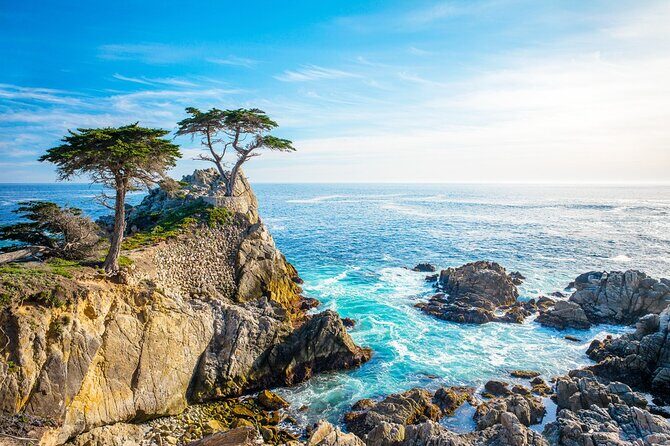
From the start, you’re taking a guided scenic run along the shoreline areas tied to the Pacific Coast Highway. The point isn’t one single landmark. It’s the feeling of the coast unfolding in segments—cliffs, surf, and huge ocean views—while you don’t have to concentrate on driving.
This is also where you can get your bearings fast for the rest of the day. Seeing where Monterey and Carmel sit on the peninsula helps your brain connect each later stop to a real geographic story: ocean, headlands, then the calmer town bays.
If you’re someone who likes to know what you’re looking at, pay attention to how your guide talks during the drive-by segments. Some guides are more talkative than others, and because this route is long, the narration level changes the overall experience.
Pigeon Point Light Station: a short stop with a lot of meaning
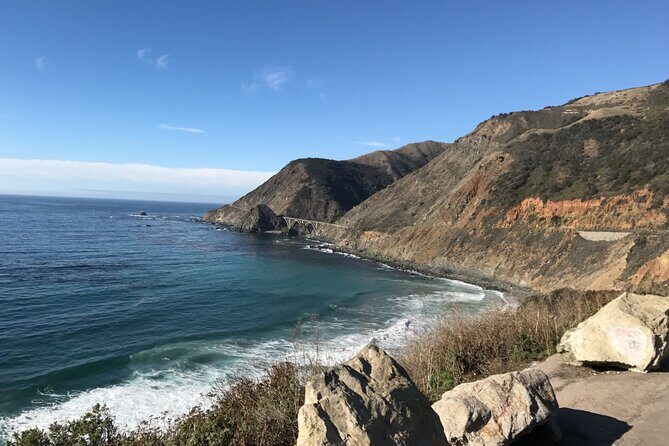
Next up is Pigeon Point Light Station, described as the tallest lighthouse on the west coast of the United States—and it’s still active as a Coast Guard aid to navigation. The schedule gives you about 20 minutes, with time to explore the lighthouse area and also a quick walk down toward the beach.
This is one of those stops that works even if you’re not a lighthouse person. The combination of height, operational history, and coastline views makes it a rare photo stop that also feels grounded in real function—not just scenery.
If the weather is windy, you’ll feel it here. Wear something you’re comfortable moving in, and keep your hat secured. A quick lighthouse stop turns into a memory when the wind is real and the ocean is loud.
Lovers Point and the Monterey Bay setup for the rest of the day
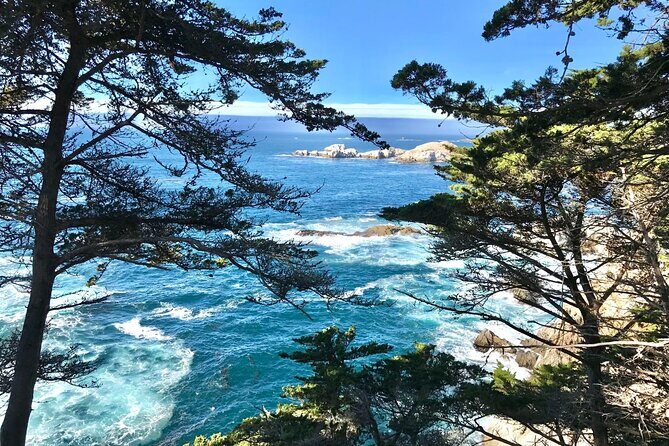
The tour then slides around the Monterey Peninsula for views toward Monterey Bay from Lovers Point. This stop is short—about 10 minutes—but it’s timed well. It sets the stage for what you’ll see later in the day: ocean life, rocky outcrops, and the way the coast shapes the water.
Even if you don’t spot wildlife every time, you’ll still understand the “why” behind the area’s reputation. Monterey Bay is a major marine region, and the views from Lovers Point help you connect that reputation to the actual geography you’re passing.
Because the stop is brief, you’ll want to be ready when you arrive. Quick photos, quick look, back on the coach.
Cannery Row: your 90-minute break for food, walking, and optional aquarium time
Cannery Row gets the most “in-town” time—about 1 hour 30 minutes—and it’s a great place to reset. This used to be a sardine-packing hub, and now it’s a waterfront strip with restaurants, boutiques, and art-filled spots.
What you’ll enjoy most here is flexibility. You can grab a casual bite with ocean views, take a slow walk along the boardwalk, or focus on a few blocks and keep moving. The Monterey Bay Aquarium sits nearby, and while aquarium admission is not included, having time in the area is useful if you want to add it.
A word of practical balance: Cannery Row is not a quiet nature stop. It’s lively and commercial, which is part of the charm for many people. If you’re chasing pure “walk and wilderness” vibes, you’ll probably prefer the 17-Mile Drive and lighthouse segments more.
Either way, use the break wisely. This is where you can eat, hydrate, and adjust your plan before the scenic driving really intensifies again.
17-Mile Drive: ticketed entry plus the icons you actually came for
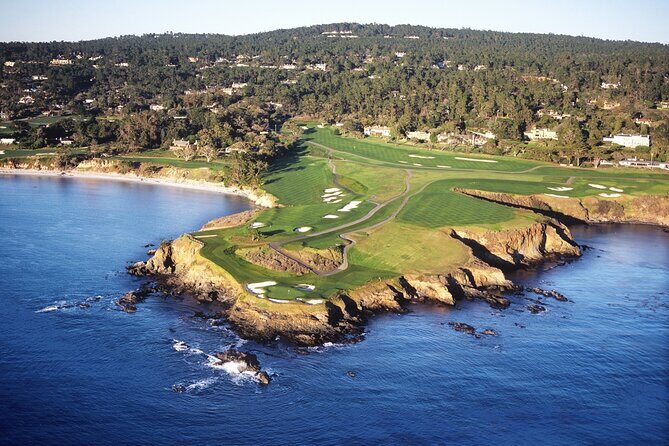
Here’s the core reason most people book: 17-Mile Drive through the Del Monte Forest area and the exclusive Pebble Beach zone. Entry is included, and the tour gives you about 1 hour total for the loop segment with multiple photo stops.
This isn’t a drive-through where you just sit and stare. Your guide points out legendary spots like Lone Cypress and Pebble Beach, and you also stop at wildlife-viewing locations along the way. The whole route works best when you treat it like a series of short “view catches,” not one long stretch.
One logistical detail that matters: seasonal closures can happen during major events like the PGA Tour or the Pebble Beach Concours d’Elegance. The tour notes that the guide will ensure a seamless experience. In real life, this means you should still arrive with flexibility in your head—especially around peak event weeks when parts of the route might be altered.
Bird Rock Vista Point: sea lions and seabirds in a compact time window
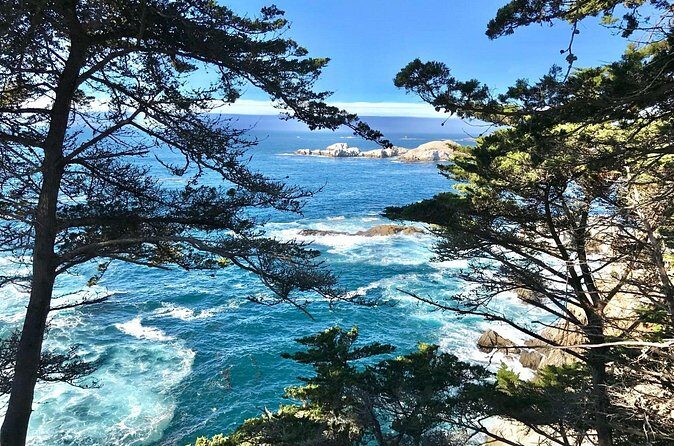
Along the 17-Mile Drive, you’ll stop at Bird Rock Vista Point for about 15 minutes. This is one of the more fun “step off and look” moments. The rock is known for seabirds, and in recent times it’s also become a regular spot for sea lions and harbor seals.
If you like wildlife, this stop tends to reward patience. You’re not guaranteed every animal to show up on cue, but the combination of offshore rock, ocean noise, and bird activity creates a strong chance for real sightings.
Use this stop for slow looking. Instead of rushing photos, watch for movement patterns—where animals pop up, where birds wheel around, and where waves break hardest.
Lone Cypress: the classic tree shot, plus the calm around it
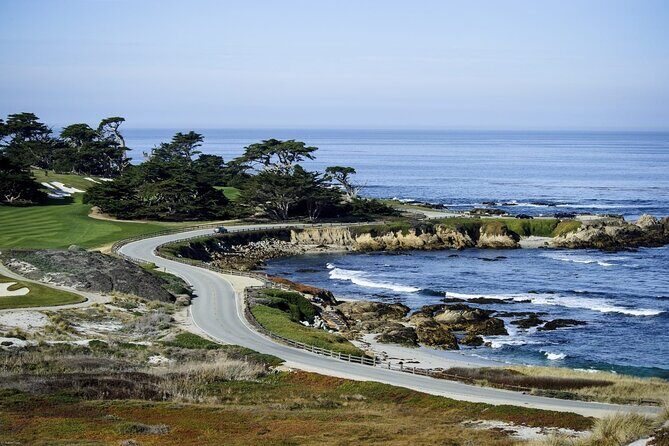
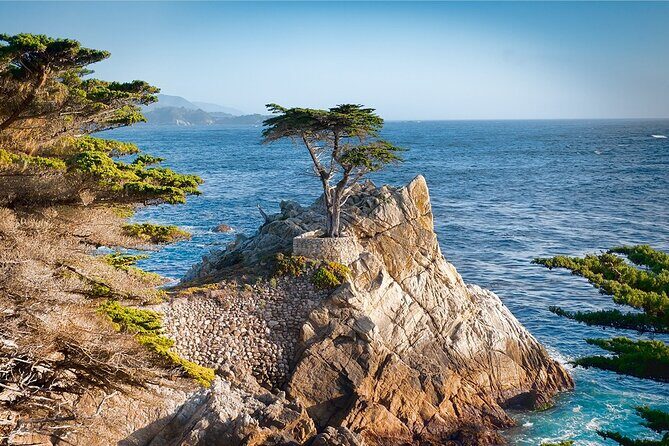
Then it’s Lone Cypress, with about 15 minutes. This 250-year-old Monterey cypress stands on a granite outcrop above the Pacific and has been photographed for generations. It’s one of those sights where you’ll see why people obsess over it within seconds.
The best part of this stop is the contrast. You’ll be surrounded by golf course scenery nearby, but the outcrop makes it feel like you’re standing at the edge of the ocean world. Take your photos, then step back and give yourself a minute to notice the wind and the harsh beauty of the coast.
The tour timing is tight enough to keep you moving, but long enough for a small walk around the area. If it’s crowded, be polite, and don’t try to treat it like a single-person photo studio.
Pebble Beach Golf Links: yes, it’s about golf, but the views steal the show
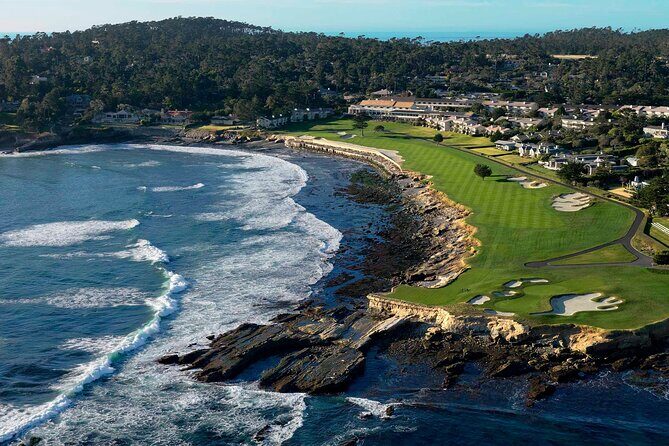
The route includes Pebble Beach Golf Links with about 30 minutes. Even if golf isn’t your thing, you’ll likely understand why this place is famous the second you’re there. The course sits right on the coast, and the ocean setting turns golf architecture into something more like cliffside theater.
During your time, you can stroll around areas near the clubhouse and golf shop, and you may even spot seals and sea lions basking nearby. The tour’s pitch is that it’s iconic for its setting and history, and the practical reality is that you’ll get big ocean views plus a sense of how the Pebble Beach scene works.
If you’re visiting in high season, expect upscale energy and camera-clicking. Dress for walking and be ready for uneven ground near coastal areas.
Carmel-by-the-Sea pass-by, then Carmel Plaza: a finish that feels like a town, not an exit
You’ll get a drive through Carmel-by-the-Sea as a pass-by segment. This gives you the feel of the town—cottages, cypress trees, and that West Coast “storybook but real” vibe. You won’t have a long walk here, but your guide will point out a few landmarks from the car, which helps you orient yourself if you want to return later on your own.
The final stop is Carmel Plaza, about 1 hour 30 minutes. This is where the tour turns from sightseeing into decompression. Carmel Plaza is an outdoor shopping and dining area with boutiques and specialty stores, and you’ll also have options like wine tasting rooms and cafes.
If you want to buy a small souvenir, grab dessert, or sit down with a coffee and decompress, this is your time. It also helps that you end your day in Carmel rather than immediately jumping back into another long drive.
Price and what you’re really paying for
At $118 per person, the value comes from the bundling. You’re getting transportation from San Francisco, a guided route, and included entry for the major ticketed stops: 17-Mile Drive, Bird Rock Vista Point, Lone Cypress, and Pebble Beach Golf Links, plus Pigeon Point Light Station.
That can save you both money and decision fatigue. The alternative is piecing together admissions and timing yourself—while also handling traffic and parking, which on the peninsula can easily eat up your best daylight.
This tour is also a decent fit if you want to do the route in one day. You won’t get to slow-travel like you might on a multi-day trip, but you’ll see the highlights without turning the trip into a road-planning project.
Comfort and pacing: how to set yourself up for an easier day
You’ll ride in comfortable, professionally maintained vehicles, with the type depending on group size. That’s a plus for most people, but it also means the vehicle may vary from a larger coach to a smaller van. If you’re older or you know getting in/out of vehicles is a hassle, plan for that reality and consider the vehicle factor.
The schedule uses short time windows at several stops. That’s ideal when you want to hit a lot of places. It means you should wear comfortable shoes and keep your daypack light.
Also note the tour explicitly recommends coming prepared for sun and wind: bring sunscreen, sunglasses, and a hat. Bring layers too, because coastal weather can change quickly.
Guides make the difference: narration, timing, and how to work with it
The tour experience can be excellent when your guide is upbeat and easy to follow. A number of guides mentioned by name—like Leo, Antony, and Peter/Anthony—are described as friendly and responsive, with enough commentary to add meaning to the scenery and help with photo timing.
But quality can vary. Some days, narration may be lighter, or an accent may make English harder to follow, especially during long drive segments. The practical advice is simple: if you care about learning every stop, sit where you can hear well and be ready to ask questions when you get out at the points of interest.
Also, because the day includes photo stops like Lone Cypress and Bird Rock, your guide’s attention to timing matters. If you’re the type who likes calm wandering, the best version of this tour gives you just enough time to look around without feeling rushed. That’s the sweet spot you should aim for.
Who this tour is best for (and who should choose something else)
This works especially well for you if you:
- want a one-day hit list of Monterey Peninsula and Carmel highlights
- like short walks and scenic lookouts more than long museum-style stops
- prefer a guide-run schedule so you can relax and take photos
It might not be your best match if you:
- want lots of free time to explore each town deeply
- dislike shopping-heavy areas, since Cannery Row and Carmel Plaza lean commercial
- need heavy, uninterrupted narration throughout the whole drive day (the tour is long)
Should you book this 17-Mile Drive, Monterey Peninsula & Carmel small-group tour?
If you want the 17-Mile Drive icons plus the lighthouse and waterfront breaks in one organized day, I think this is a strong booking. The bundled admissions alone make it easier to justify, and the max 12 group size keeps the stop-to-stop flow from feeling frantic.
Book it with clear expectations: you’ll be doing a lot of “see it, photo it, walk it for a bit,” then moving on. Also, if communication quality matters to you, bring patience and plan to ask questions at the actual stops, where it’s easier to connect.
If you’re looking for an efficient, scenic introduction to Monterey Peninsula and Carmel, this tour earns its place on your itinerary.
FAQ
How long is the tour?
The tour runs about 11 hours.
What time does the tour start?
It starts at 8:00 am.
How large is the group?
This tour caps at a maximum of 12 travelers.
What admissions are included?
Admission is included for 17-Mile Drive, Bird Rock Vista Point, Lone Cypress, Pebble Beach Golf Links, and Pigeon Point Light Station.
Are meals included?
No. Meals, food, and beverages are not included.
Is the tour in English?
Yes. It is offered in English.
Does the tour require a phone number?
Yes. For safety and communication during the trip, a valid and reachable phone number is required.