REVIEW · SAN FRANCISCO
Monterey Peninsula, Carmel, 17-Mile Drive Max 12 Small Group Tour
Book on Viator →Operated by Jupiter Legend Corporation · Bookable on Viator
One long coastal day can feel like a vacation in fast-forward. This small-group tour links San Francisco to Monterey and Carmel via the Pacific edge, with guided stops and photo windows that do most of the work for you.
I especially like the small group size (max 12) and the fact that key scenic admissions are included, so you’re not juggling tickets while you’re trying to enjoy the views. The pacing also gives you real time in Monterey, not just quick pullovers.
One consideration: not every departure is equal. Some people report communication or vehicle issues, and the stops can be more self-guided once you’re parked, so come with questions and a plan for lunch.
In This Review
- Key Highlights Worth Waking Up For
- A Small-Group Coastal Day From San Francisco (That Actually Gets You There)
- Price and Value at $118: What You’re Really Paying For
- The Real Pace: How the Day Feels on the Road
- Pigeon Point Light Station: A Proper Stop, Not a Quick Photo Sprint
- Monterey Bay Pass-By Views: Coast Scenery With Ocean Science Vibes
- Cannery Row: Your Two-Hour Chance to Eat, Wander, or Choose the Aquarium
- 17-Mile Drive: The Main Event (Lone Cypress to Pebble Beach)
- Bird Rock Vista Point: Sea Lions, Seabirds, and a Quick Ecology Lesson
- Lone Cypress: The Iconal Tree With a Real Backstory
- Pebble Beach Golf Links: Stunning Views Even If You Don’t Play Golf
- Carmel-by-the-Sea Pass-By and Carmel Plaza Finale
- What I’d Watch Out For Before You Book
- Who This Tour Fits Best
- Should You Book It? My Decision Guide
- FAQ
- What time does this tour start?
- How long is the tour?
- How many people are in the group?
- Is the tour offered in English?
- What’s included in the price?
- What’s not included?
- Is Monterey Bay Aquarium included?
- Are other attraction tickets or city passes accepted?
- How do I handle my pick-up location?
- What happens if weather is bad or the minimum number of travelers isn’t met?
Key Highlights Worth Waking Up For

- Max 12 people means you’re not shouting across a bus
- Included admissions for 17-Mile Drive plus top photo stops like Lone Cypress and Bird Rock
- Pigeon Point Light Station includes time at a tall, still-active Coast Guard lighthouse
- Cannery Row time lets you wander at your own speed (and decide on the Aquarium independently)
- 17-Mile Drive photo strategy: multiple short stops for cliffs, cypress views, and the coast’s wildlife
- Carmel Plaza wrap-up is a calmer finale with shopping, wine tastings, and places to eat nearby
A Small-Group Coastal Day From San Francisco (That Actually Gets You There)
This is the kind of trip that works because it’s structured. You leave San Francisco at 8:00am, ride in a comfortable vehicle, and spend the day on the Monterey Peninsula’s most famous stretches of coast. It’s around 11 hours total, and you end back at the same meeting point—simple, predictable, and friendly if you don’t want to wrestle parking lots.
The “small-group” part matters more than you might think. A group of up to 12 keeps sightlines better and makes it easier to ask your guide a question without waiting for a pause in traffic. You’ll also have less time spent herding people into and out of vehicles—especially on a route where pull-offs are tight.
The best part for me is that you get the icons without turning the day into one endless line. You’re not just driving by the coast. You stop at places like Pigeon Point Light Station, spend real time around Cannery Row, and then get several photo opportunities along 17-Mile Drive.
You can also read our reviews of more tours and experiences in San Francisco.

Price and Value at $118: What You’re Really Paying For
At $118 per person, this isn’t a budget day trip. But you’re paying for distance, guidance, and—crucially—some included admissions. The tour includes entry fees for 17-Mile Drive, Bird Rock Vista Point, Lone Cypress, and Pebble Beach Golf Links. It also includes admission for Pigeon Point Light Station.
So what does that mean for your wallet? If you try to DIY this route, you’ll still spend money on those scenic admissions and you’ll spend extra time figuring out where to park, how long you’ll want to stay, and how to coordinate long travel days. This tour compresses that planning into a single day with a driver and guide handling the route.
One more value point: you get water and light snacks during the ride. That sounds small, but on an 8:00am start with a long coastal drive, it can save you from making stressful lunch decisions. Meals are not included, so you should still plan on buying lunch or snacks later. But you’ll start the day fueled.
The Real Pace: How the Day Feels on the Road
You’re on the move most of the day, and that’s part of the deal. The route includes a drive along the Pacific Coast Highway (with scenic pass-by sections), plus stops that are typically short and timed—think 15 to 30 minutes most places, with longer time at Cannery Row and Carmel-area shopping.
Here’s how to think about the tempo:
- You’ll get guided context at key points.
- Then you’ll have time to look around, take photos, and stretch your legs.
- At certain stops, the guide may not “escort” you for every minute; you’re expected to explore within the set time window.
This can be great for people who don’t want their whole day managed. It can be frustrating if you want a constant narration for every step. If you care about animal facts, photo spots, or food options, ask early—right after you arrive at a stop—while the guide still has energy and eyes on the group.
Also keep in mind: the vehicle type can vary by headcount. That matters if you’re sensitive to motion or you dislike cramped seating. If you’re picky about window views, pick a seat that faces the ocean when you can.
Pigeon Point Light Station: A Proper Stop, Not a Quick Photo Sprint

Your day starts with a classic coastal landmark: Pigeon Point Light Station. You get about 20 minutes, and admission is included. This isn’t just a pretty tower in the fog. The lighthouse is still an active Coast Guard aid to navigation, which gives the stop a little real-world weight.
If you like lighthouse history, this one is a standout because it’s tied to current navigation—not just museum vibes. During your time there, you can explore the lighthouse and, if you want, take a quick walk down toward the beach area.
A practical tip: wear footwear that can handle uneven ground. That short walk can be worth it, and you don’t want to lose time because your shoes are slipping.
Monterey Bay Pass-By Views: Coast Scenery With Ocean Science Vibes
When the route loops around the Monterey Peninsula, you’ll see views of Monterey Bay and the Lovers Point area from the road. You’ll also hear about why this coastline matters for marine life and for the region’s fishing legacy.
This portion is more about framing and understanding the coast than about getting out. You’re guided while the driver handles the turns. You’ll likely take photos here too, but the big win is that your guide helps you see what you’re looking at—then you can spot it yourself later, on the ground, at the wildlife stops.
If you want to photograph ocean wildlife, bring patience. You won’t see everything from the vehicle, and lighting can change quickly along the coast.
Cannery Row: Your Two-Hour Chance to Eat, Wander, or Choose the Aquarium
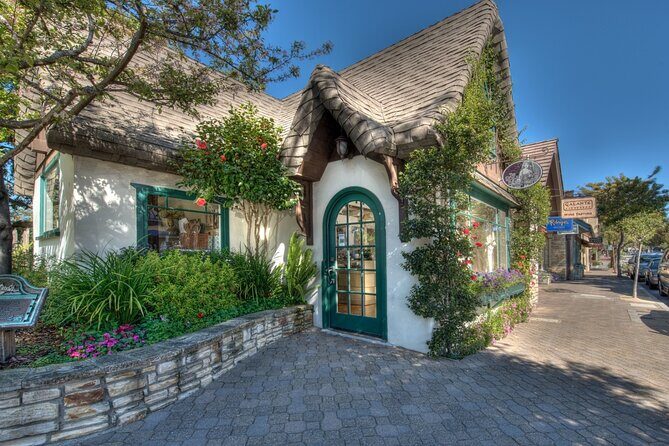
This is your longest Monterey stop: about 1 hour 30 minutes at Cannery Row. The area started as a sardine-packing hub and now runs on waterfront food, quirky shops, and an easy seaside vibe.
The good news: you’re not locked into one plan. You can stroll the boardwalk, grab seafood with bay views, or pop into an art-filled spot. If you’re thinking about the Monterey Bay Aquarium, you should know the admission isn’t included. You’ll need to handle that separately if you decide to go.
The downside is that Cannery Row can pull you in a dozen directions, fast. So decide ahead of time how you want to spend your time:
- Food first, then wandering.
- Aquarium optional, then back out for lunch nearby.
- Shopping and photo walks only.
Also, plan for a simple meal. This is not the time for a long sit-down reservation unless you enjoy stress. With 1.5 hours, you’ll do best with something walkable and quick.
17-Mile Drive: The Main Event (Lone Cypress to Pebble Beach)
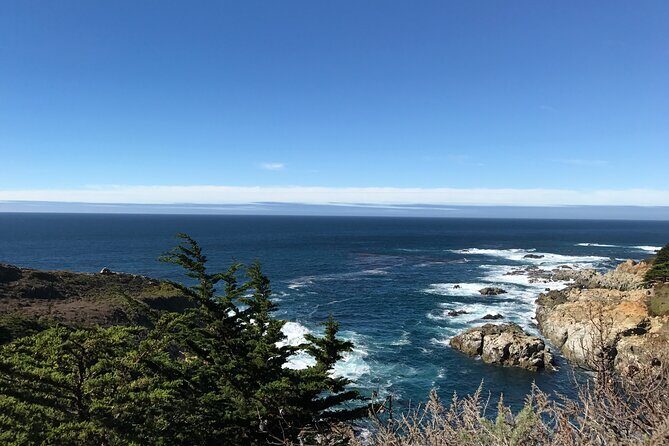
Then comes the star of the show: 17-Mile Drive through the Del Monte Forest area near Pebble Beach. You get about 1 hour on the drive, with multiple photo stops. Admission is included for this segment.
Expect cliffs, ocean views, and cypress scenery that looks like it belongs on postcards. Your guide will point out key landmarks, including Lone Cypress, and you’ll have time to stop at places where the coast feels wide open.
Two things make this segment work:
- Time-efficient stops. You’re not stuck in one location too long.
- Clear landmark sequence. You’re more likely to get the iconic photos because you know what each stop is for.
One caution: the route can have seasonal closures during major events like the PGA Tour or the Pebble Beach Concours d’Elegance. Your guide will adjust to keep the experience running, but it’s smart to be flexible. If you’re visiting during a big event week, don’t assume every exact stop will be identical.
Bird Rock Vista Point: Sea Lions, Seabirds, and a Quick Ecology Lesson
At Bird Rock Vista Point, you have about 15 minutes and included admission. This stop is fun because it tells an unusual story.
Bird Rock is an offshore rock that used to be associated with guano (seabird droppings). Over time, it’s become a coastal wildlife hangout with sunbathing sea lions, harbor seals, and seabirds like pelicans, cormorants, and gulls.
This is the kind of stop where you can stand still and just watch. You don’t need to do anything fancy. If you like wildlife, you’ll likely feel like your time is “money well spent” because even short visits can produce good sightings.
If you care about photos, keep your camera settings ready. Wildlife moments are short, and you don’t want to waste your 15 minutes fiddling.
Lone Cypress: The Iconal Tree With a Real Backstory
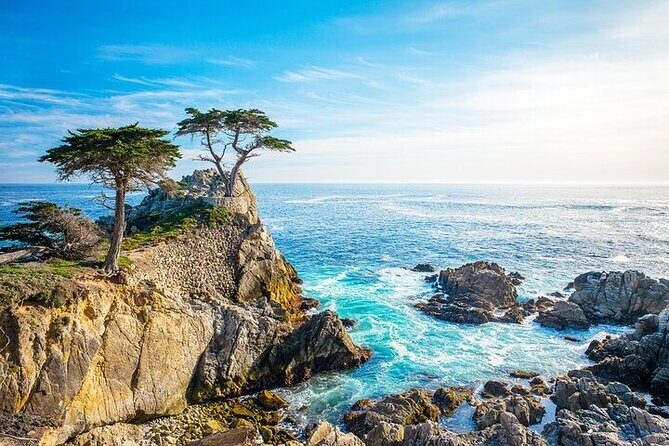
Next up is Lone Cypress, one of the most photographed trees in North America. You get about 15 minutes, with included admission.
This is a 250-year-old Monterey Cypress clinging to a granite outcrop above the Pacific. The guide’s likely to frame it as a symbol of survival—storms, sea spray, and time have all taken their shots over centuries.
The key for you: this is a short stop, so don’t overthink it. Arrive, take the photos, then walk around within the time window. If you want a calmer moment away from the crowd, go a few steps to one side and take your time with the framing.
Also, bring sunglasses even if it’s cloudy. The coast light bounces off the ocean, and eyes can get tired quickly.
Pebble Beach Golf Links: Stunning Views Even If You Don’t Play Golf
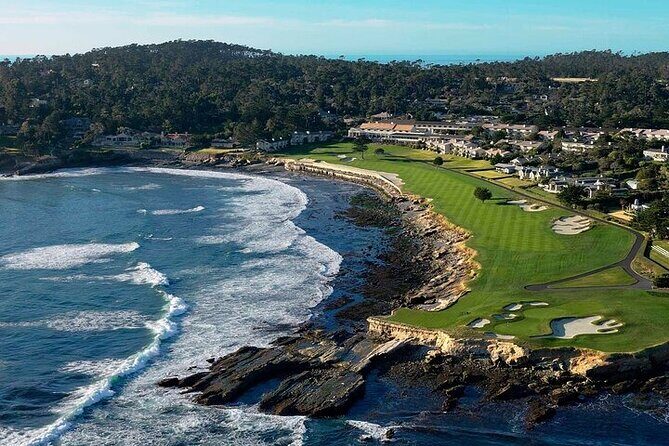
At Pebble Beach Golf Links, you’ll have about 30 minutes, with included admission. This stop is more than a golf-course quick look. It’s an iconic public course sitting right on the coast, so the scenery is the main attraction.
Even if you never swing a club, you’ll likely enjoy:
- Cliffside views over Carmel Bay and the Pacific
- The dramatic feeling of the fairways sitting above the shoreline
- Chance sightings of seals and sea lions basking nearby
Your guide may point out iconic holes like the par-3 7th and par-5 18th, and you can peek at the clubhouse area and the golf shop if you want souvenirs.
If you’re short on time and only want the “wow” views, focus on where you can see the ocean and coastline lines. You don’t need to do a full golf-course tour in 30 minutes.
Carmel-by-the-Sea Pass-By and Carmel Plaza Finale
You’ll drive through Carmel-by-the-Sea and get a pass-by look at the village. Your guide will point out some key spots, like the Carmel Mission and the Bluff Path that runs along the shoreline, but this isn’t a full stop with time to wander.
Instead, the last true hangout is Carmel Plaza, with about 1 hour 30 minutes. Carmel Plaza is an outdoor shopping and dining area with boutiques, gourmet shops, wellness studios, and places to taste wine. It’s a nice, calmer finale after the coastal intensity.
This is your best time for:
- A relaxed snack or coffee
- Browsing for small gifts
- Taking a breather before heading back to San Francisco
If you’re tempted to overpack souvenirs, remember you’ll still be in a vehicle ride later. Choose what you’ll actually enjoy at home.
What I’d Watch Out For Before You Book
This tour can be excellent when everything clicks: the guide knows the coast, the vehicle fits the group comfortably, and the day stays on schedule. But you should plan for real-world bumps.
Here are the practical things to watch:
- Guide communication level. The tour is offered in English, but some departures may have guides who are bilingual (English and Mandarin). If you need lots of detailed narration in English, ask questions early and check that you can hear clearly.
- Vehicle comfort and visibility. Vehicle type depends on group size. If you’re worried about legroom or you dislike tinted or obstructed windows, aim for a seat with the best view available when you board.
- Stop expectations. Many stops are short. You get “see it and enjoy it” time, not a long guided walk-through at every location. Come with curiosity, and don’t be shy about asking where to focus.
Also, keep a little flexibility in your plans. Some people report pick-up confusion, delays, or routing that feels less hands-on than expected. The more you can control your own mindset—photo first, then ask questions—the smoother the day usually feels.
Who This Tour Fits Best
This works especially well for:
- People who want the Monterey Peninsula highlights in one long day without planning every detail
- Anyone who loves coastal scenery and wants multiple iconic stops (not one)
- Groups that prefer a guide to handle route and timing, while you explore on your own at the stops
It may be less ideal if:
- You need nonstop, deep storytelling for every minute
- You dislike short time windows and would rather spend hours in one town
- You’re very sensitive to motion and cramped seating, since vehicle configuration can vary
Should You Book It? My Decision Guide
If your goal is to see the big-name Monterey and Carmel sights with included scenic admissions and a small-group format, this is a solid choice. The mix of Pigeon Point, Cannery Row time, and 17-Mile Drive landmarks hits the right balance for most first-timers.
I’d book it if you:
- Want a one-day “greatest hits” coast trip from San Francisco
- Are happy with short guided stops plus your own exploration time
- Don’t mind that meals aren’t included and you’ll handle lunch on your own
I’d hesitate if you:
- Need constant narration and detailed guidance at every minute
- Have strong preferences about vehicle comfort or window visibility
- Are expecting a full town tour with extended walking time in Monterey or Carmel proper
FAQ
What time does this tour start?
It starts at 8:00am in San Francisco.
How long is the tour?
The duration is about 11 hours.
How many people are in the group?
This tour has a maximum of 12 travelers.
Is the tour offered in English?
Yes. The tour is offered in English.
What’s included in the price?
Included are a friendly professional guide, comfortable professional vehicles, water and light snacks, and admission fees for 17-Mile Drive, Bird Rock Vista Point, Lone Cypress, Pebble Beach Golf Links, and Pigeon Point Light Station.
What’s not included?
Gratuities are not included. Meals, food, and beverages are also not included.
Is Monterey Bay Aquarium included?
No. Aquarium admission is not included.
Are other attraction tickets or city passes accepted?
No. Third-party attraction tickets or city passes are not accepted. Admission tickets must be purchased during booking or directly from your tour guide on the day of the tour.
How do I handle my pick-up location?
You must contact the tour operator at least 3 days prior to provide your pick-up location. If you don’t send details by the deadline, a default pick-up location and time will be assigned.
What happens if weather is bad or the minimum number of travelers isn’t met?
The tour requires good weather. If it’s canceled due to poor weather, you’ll be offered a different date or a full refund. It also requires a minimum number of travelers; if the minimum isn’t met, you’ll get a different date/experience or a full refund.