REVIEW · SAN FRANCISCO
Golden Gate Park Tour With California Academy of Sciences Ticket
Book on Viator →Operated by ExperienceFirst · Bookable on Viator
Golden Gate Park turns into a story here. This guided walk threads together JFK Promenade highlights like the Conservatory of Flowers and the Japanese Tea Garden, and it ends with your included ticket for the California Academy of Sciences. I love how the guide turns scattered sights into a simple route you can actually remember, and I love that you get an instant next step after the walk instead of stopping at the park and calling it a day.
One heads-up: this is a 4-hour experience and you’ll cover more ground than you might expect from the distance, so bring comfortable shoes and plan for San Francisco weather swings. Dress in layers; a windier morning can feel chilly fast.
In This Review
- Key Highlights You’ll Actually Feel During the Day
- Golden Gate Park + Academy: The Simple Flow That Makes It Worth It
- JFK Promenade: Conservatory of Flowers to Shakespeare Garden in One Easy Route
- The Japanese Tea Garden: History, Detail, and a Photo Moment
- De Young and the Hamon Observation Tower: Panoramas When the Weather Behaves
- Using Your Included Ticket: Academy of Sciences Highlights That Fit a Short Day
- VIP Academy Upgrade: Gem Vault, Living Roof Access, and Reserved Planetarium Seats
- What to Wear, When to Go, and How to Get Good Photos
- Price and Value: What $70 Buys You (and When It’s a Smart Deal)
- Who This Tour Suits Best—and Who Might Want a Different Plan
- Should You Book This Golden Gate Park Tour With Academy Entry?
- FAQ
- What time does the tour start?
- Where do I meet for the tour?
- How long does the experience last?
- Is the California Academy of Sciences ticket included?
- How much walking is involved?
- Which Golden Gate Park stops are included?
- Are any stops free to enter?
- What does a VIP upgrade add?
- Is the VIP tour age-restricted?
- What is the cancellation policy?
Key Highlights You’ll Actually Feel During the Day
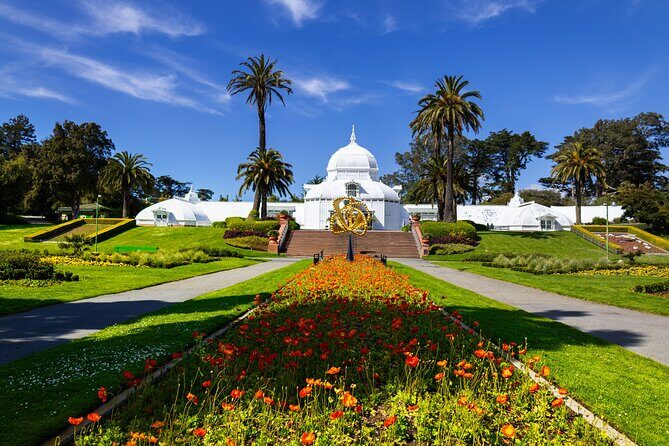
- JFK Promenade routing that keeps things easy: a park walk under 1.5 miles at a leisurely pace, built around the best-known stops.
- Guides with real SF stories: guides like Maggie and Seth are praised for making the park make sense (and for spotting the details most people miss).
- Conservatory + de Young moments you can photo: flower beds, sculptures, then big views from the Hamon Observation Tower.
- Garden stops with built-in variety: Victorian conservatory, memorial grove, Shakespeare-themed planting, and a Tea Garden with a famous origin story.
- Academy of Sciences ticket is your bonus payoff: aquarium, planetarium, rainforest, and more—plus optional VIP upgrades.
Golden Gate Park + Academy: The Simple Flow That Makes It Worth It
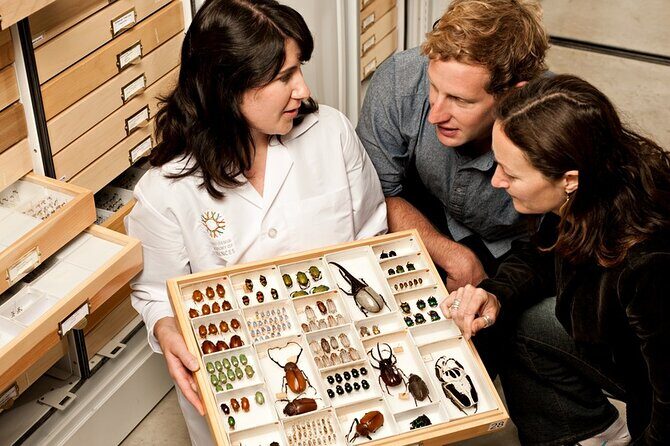
The smart part of this experience is timing. You start at the California Academy of Sciences, walk Golden Gate Park with a guide, then you’re right back at the Academy to use your entry ticket while everything is still fresh in your mind.
You’ll have about 4 hours total, and the Golden Gate Park portion is designed to be manageable. Even though the route is under 1.5 miles, expect it to feel like a full outing because you’re stopping often for photos and short explanations. The group size maxes at 20, which helps you hear the guide without feeling wedged like sardines.
If you’re the type who likes parks but gets lost when you’re left with a map, this fixes that. You get a planned path along the park’s famous pedestrian-only JFK Promenade, with frequent “look here” moments—art on the Golden Mile, photo spots, and sightline opportunities.
And because you don’t have to buy a separate museum ticket, the value calculation gets easier. If you already wanted to visit the Academy anyway, this bundles the walk + entry into one clean plan.
You can also read our reviews of more tours and experiences in San Francisco



JFK Promenade: Conservatory of Flowers to Shakespeare Garden in One Easy Route
The walk kicks off at the California Academy of Sciences (55 Music Concourse Dr) and then immediately shifts you into park mode. Your first true landmark stop is the Conservatory of Flowers, the oldest Victorian-era wood-and-glass conservatory in North America. This is the kind of place where your eyes keep moving: palm trees, formal flower beds, sculptures, and even a floral clock.
What makes this stop work on a guided tour is context. The guide helps you see it as more than a pretty greenhouse—this is a designed environment with a long story and deliberate details. You’ll have around 20 minutes here, so it’s enough time to wander the main areas without feeling rushed.
From there you transition into the National AIDS Memorial Grove. This isn’t a quick “pass through” stop. It’s set in a serene grove and designed for reflection, with names engraved in the Circle of Friends. Expect a quieter vibe here, and give yourself a minute to actually read—your guide’s explanation helps you understand what you’re looking at.
Next up is the Shakespeare Garden. It’s gated, a bit unusual, and built around plants mentioned in Shakespeare’s works. There’s also a bust of the bard himself. This is a great stop if you like themed spaces, because you can match the plants to the idea of the garden rather than just enjoying shapes and colors.
One consideration: the “garden variety” means you’re mentally switching gears a lot. If you prefer long stretches of one mood—only flowers, only views, only museums—this route will feel fast. If you like variety, that’s exactly the point.
The Japanese Tea Garden: History, Detail, and a Photo Moment
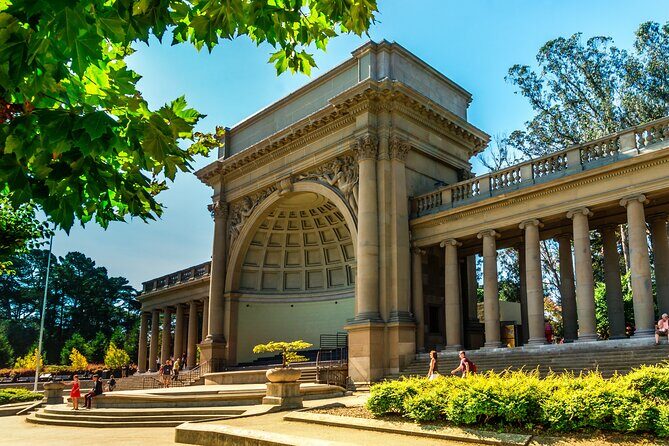
The Japanese Tea Garden is where the route gives you both atmosphere and a practical photo payoff. You’ll spend about 15 minutes here, and you’ll get the origin story: the garden was created for the 1894 California Midwinter International Exposition.
That date matters. It explains why the garden feels like it belongs to a specific era of San Francisco’s world-fair ambition—and why the design has that “statement garden” feel.
Your guide also points out a special photo spot outside the garden with a view of one of its icon features: the red pagoda. You don’t have to be a pro photographer to benefit. Even if you’re just using your phone, this is the kind of “stand here” moment that saves time and gives you a shot you’d be unlikely to find on your own.
Tip for you: go in with your layers of expectations. The garden itself is the main event, but the story plus the outside viewpoint is what makes the stop feel like more than another garden stop.
De Young and the Hamon Observation Tower: Panoramas When the Weather Behaves
After the gardens and memorials, the day shifts toward big views. You’ll head to the de Young Museum area and then make time for the Hamon Observation Tower, with about 30 minutes allocated.
This is your “San Francisco from above” moment. From the tower you can get 360-degree views of the park—and on clear days, you can even see as far as the top of the Golden Gate Bridge. That’s the kind of visual reward people remember, especially if you’ve arrived expecting misty weather and end up catching a clearer break.
The practical value here is that the tower view is hard to replicate without planning. The guide helps you orient yourself—what you’re looking at and where it sits within the city.
Reality check: if visibility is low, you won’t get the long-distance Bridge view. But you’ll still get a strong “map of the city” perspective from up high, which is useful for the rest of your trip.
If you like photography, this is also a good time to slow down. Take a couple of wide shots first (so you have context), then switch to closer detail shots once you know what’s where.
Using Your Included Ticket: Academy of Sciences Highlights That Fit a Short Day
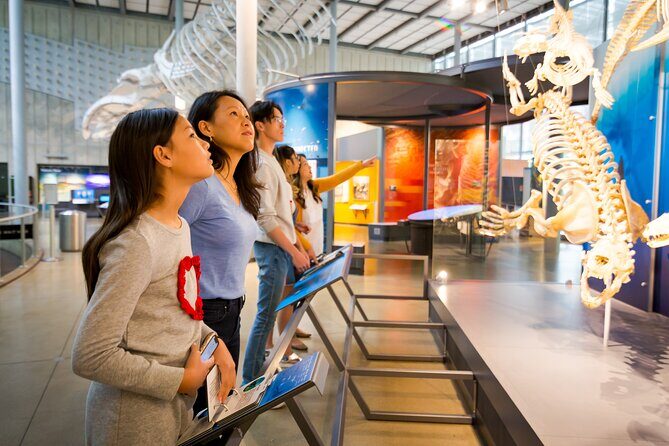
After finishing the park section, you’re back at the California Academy of Sciences, right where you started. This is key. You aren’t commuting across town to reach your next stop; your day stays compact and logical.
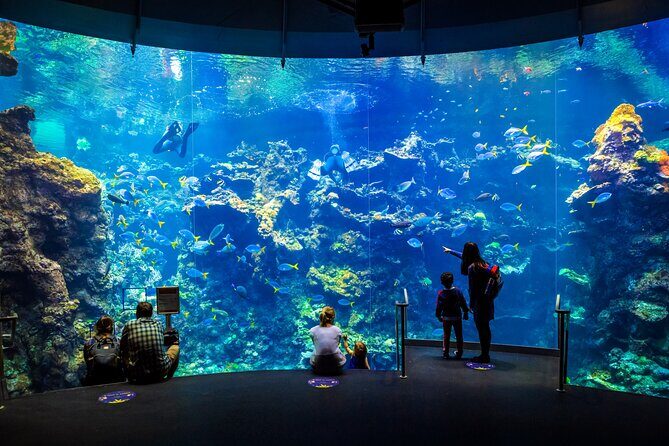
Your included ticket covers a giant slice of the Academy’s offerings. The standout categories you can expect include an aquarium, planetarium, rainforest, and more. That’s a helpful mix because it gives you choices based on your mood and energy level.
Your guide will share tips on exhibits you shouldn’t miss, which matters a lot inside a large museum. If you’ve ever wandered through a big science place trying to “figure it out,” you know the problem: you end up seeing a lot, but remembering little. Here, you get a short list of what’s likely to be worth your time.
Even better, the park part ends with momentum. You just climbed through gardens, memorials, and views. Switching to animal life, science exhibits, and the Academy’s different environments feels like a natural continuation instead of a separate event.
If you’re visiting with kids, this is also one of the easiest museums to justify. The mix of aquarium + planetarium + rainforest style spaces gives you multiple ways to keep attention without forcing everyone to sit through long explanations.



VIP Academy Upgrade: Gem Vault, Living Roof Access, and Reserved Planetarium Seats
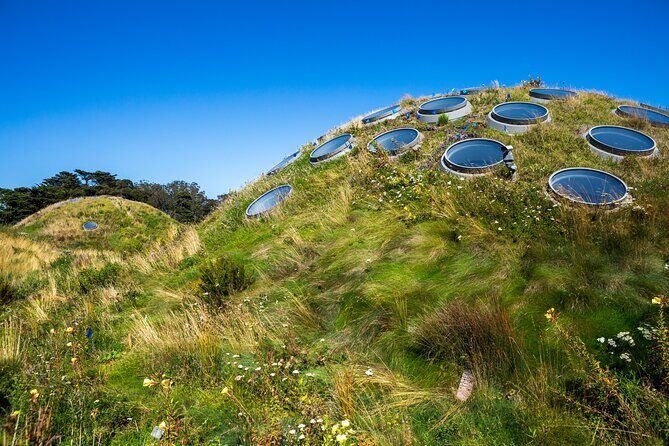
If you want more than standard entry, the optional VIP guided tour of the Academy is where the experience gets more “behind the scenes.”
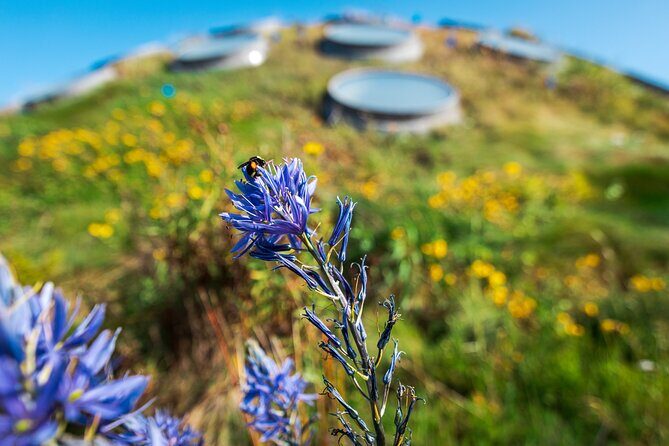
This upgrade includes access to places like a private gem vault, off-limits areas of the Living Roof, and rare specimen collections. That’s not the kind of thing you can usually wing on your own at a major museum.
You also get extra perks: a discount on lunch and reserved planetarium seats. Those two details can save you from the typical museum stress—waiting when you’d rather be watching.
One important limit: the VIP tour is open only to ages 12 and up. So if you’re traveling with younger kids, you’ll likely stick with the standard guided tips and your included admission.
For you, the VIP option makes the most sense if you’re:
- a science fan who likes rare access
- someone who hates wasting time trying to find “the best parts” inside a big venue
- planning to do the planetarium anyway and wants seats reserved
What to Wear, When to Go, and How to Get Good Photos
San Francisco weather loves to change its mind, sometimes hourly. Follow the simple rule: wear layers and bring comfortable shoes. You’ll be walking and stopping frequently, and the day feels longer than the distance suggests.
For photos, plan to shoot in short bursts:
- Conservatory of Flowers: wide shots first, then zoom in on sculptures and flower-bed patterns.
- Japanese Tea Garden: focus on the red pagoda viewpoint outside the garden and get one “context” shot inside, too.
- Hamon Observation Tower: take one wide panorama early, then return to the view you like most for detail framing.
Also, keep your expectations realistic about distance views. Clear conditions can mean the top of the Golden Gate Bridge. Low visibility means you’ll still get a great overview of the park, but don’t plan your whole day around one specific skyline shot.
Price and Value: What $70 Buys You (and When It’s a Smart Deal)
At $70 per person, this isn’t a bargain like a free self-guided walk. You’re paying for three things that add up:
- A guided Golden Gate Park walk that organizes a lot of stops into a route you can follow without stress.
- Included admissions tied to the stops where entry is part of the experience.
- A California Academy of Sciences ticket that you can use right after the tour.
So the real question for you is: do you already plan to visit the Academy? If yes, this becomes a strong value because the museum ticket and guided park time are bundled together.
If you don’t care about the Academy at all, then the price may feel heavy for a park tour alone. In that case, you might be better off doing a self-guided Golden Gate Park day or picking a different specialty tour focused only on gardens or views.
One more practical point: this sells at a steady pace (it’s often booked around 18 days in advance). If you’re traveling during peak season or on a weekend, earlier booking gives you more schedule options.
Who This Tour Suits Best—and Who Might Want a Different Plan
This experience fits best if you want a well-paced sampler of Golden Gate Park’s most iconic sights without spending your day coordinating logistics.
It’s especially good for:
- families who want a guided route plus a science museum reward
- garden lovers who appreciate themes (Victorian conservatory, Shakespeare plants, Japanese garden history)
- view seekers who want the Hamon Observation Tower moment
- science-curious visitors who want the Academy’s aquarium/planetarium/rainforest mix
It may feel less ideal if you want:
- minimal walking (even though it’s under 1.5 miles, you’ll still be on your feet with frequent stops)
- long museum time during the same outing (the tour portion is structured, then you’re free to explore the Academy with your ticket)
If you’re traveling with mobility concerns, I’d treat this as doable-but-not-slow. The pace is described as leisurely, but it’s still a full outing.
Should You Book This Golden Gate Park Tour With Academy Entry?
I’d book it if you want one ticket that turns Golden Gate Park into a guided story and gives you a built-in museum plan right afterward. The strongest reason is the combo effect: gardens, memorials, and city views lead naturally into the Academy’s aquarium, planetarium, and rainforest-style exhibits.
It’s also a solid pick if you’re hoping for a guide-driven experience where names, themes, and details actually stick. Guides like Maggie and Seth stand out for making the park feel organized and for sharing lots of interesting context, not just pointing at landmarks.
If your main goal is only the Academy, you might choose a museum day without the park walk. If your main goal is only a park stroll, you may be able to do it cheaper on your own. But if you want the best of both worlds in one tidy schedule, this is a very practical way to spend your day.
FAQ
What time does the tour start?
It starts at 9:00 am.
Where do I meet for the tour?
Meet at the California Academy of Sciences, 55 Music Concourse Dr, San Francisco, CA 94118.
How long does the experience last?
It’s about 4 hours (approx.).
Is the California Academy of Sciences ticket included?
Yes. Your entry ticket to the California Academy of Sciences is included, and you use it after the Golden Gate Park guided portion.
How much walking is involved?
The tour covers less than 1.5 miles at a leisurely pace.
Which Golden Gate Park stops are included?
The stops include the Conservatory of Flowers, National AIDS Memorial Grove, Shakespeare Garden, Japanese Tea Garden, and the de Young Museum with the Hamon Observation Tower.
Are any stops free to enter?
Yes. The National AIDS Memorial Grove, Shakespeare Garden, and Japanese Tea Garden are listed as free admission stops.
What does a VIP upgrade add?
VIP includes behind-the-scenes access such as a private gem vault, off-limits areas of the Living Roof, and rare specimen collections, plus a lunch discount and reserved planetarium seats.
Is the VIP tour age-restricted?
Yes. The VIP guided tour of the Academy is open only to ages 12 and up.
What is the cancellation policy?
You can cancel for free up to 24 hours in advance for a full refund.