San Francisco makes sense fast on this loop. This 4 to 5 hour small-group tour mixes neighborhood stories with landmark views, so you walk away with a clear mental map of the city. You start downtown, roll out by air-conditioned vehicle, and pair each stop with the kind of local context that makes photos feel like part of a story.
I especially like the mix of City Hall’s golden-dome drama and Twin Peaks’ wide panorama. When the guide is Rolando-level passionate, the stops land fast, and you get enough history to sound smart while still having time to look around.
The one caution: it starts early at 8:30 am, and lunch isn’t included, so you’ll want a simple plan for food between the stops. Also, it runs only when weather looks good, since the best viewpoints depend on clear skies.
In This Review
- Key points to know before you go
- The 8:30 am starting point that helps you see more
- Italian-American culture stop: food, shops, and the vibe
- Chinatown’s mix of survival, shopping, and culture
- City Hall: the golden dome you can’t stop staring at
- The Mission District murals and why the neighborhood matters
- The Castro and Harvey Milk: activism you can feel in the streets
- Twin Peaks: the panorama stop that changes your whole mental map
- Painted Ladies and a drive-by of Billionaire’s Row
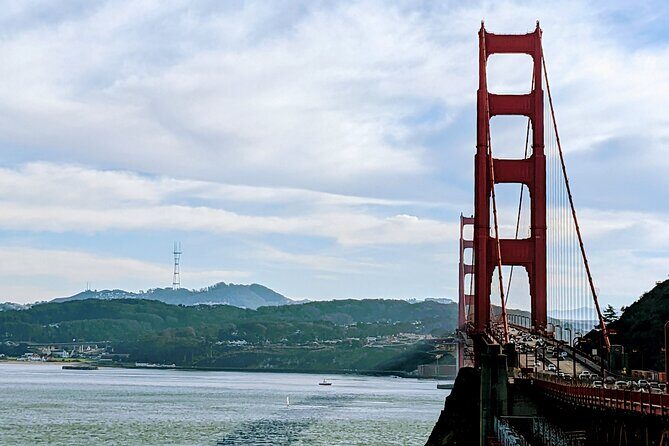
- Golden Gate Bridge: an engineering marvel you’ll want to look at twice
- Sausalito across the bridge: waterfront walking and houseboat scenery
- Palace of Fine Arts: the 1915 Exposition rotunda moment
- Value and pacing: why this feels like a smart first day
- Should you book this Local Flavors tour?
- FAQ
- FAQ
- How long is the tour?
- What time and where do we meet?
- What’s included besides the guided experience?
- Is lunch included?
- What language is the tour offered in?
- How many people are on the tour at most?
- Does the tour depend on weather?
- Are admissions included for the stops?
Key points to know before you go
- Small group size (up to 12) keeps the tour from feeling like a moving bus station.
- Air-conditioned vehicle helps on warm days and takes the edge off long transfers.
- A tight hit list of SF icons: City Hall, Twin Peaks, Painted Ladies, Golden Gate Bridge, and Palace of Fine Arts.
- Neighborhood culture is built into the route, from the Mission murals to the Castro’s Harvey Milk legacy.
- Sausalito gives you a real change of pace, with waterfront walking and houseboat scenery.
- No lunch is included, so snacks or a meal stop is on you.
The 8:30 am starting point that helps you see more
You meet at 2800 Hyde St and the tour returns back to the same place. Starting at 8:30 am is a big deal in San Francisco, because morning weather can be kinder for panoramic viewpoints, and streets can be less crowded than later in the day.
Because the total time includes travel, you’re not just “racking up stops.” You’re actually getting the connections between neighborhoods, architecture, and how the city lays out its famous views. The tour also uses a mobile ticket, which makes it easier to check in and go.
You can also read our reviews of more tours and experiences in San Francisco.
Italian-American culture stop: food, shops, and the vibe
One stop is built around the Italian-American heart of San Francisco. You’ll spend time in an area known for authentic Italian restaurants, quirky cafes, and charming boutiques, which is a nice change from pure sightseeing.
This kind of stop works best if you treat it like an orientation walk. Look at storefronts, note where you’d come back for a proper meal, and decide if you want to return later for dinner rather than trying to eat on the tour schedule. If you’re hungry, remember that lunch isn’t included, so plan snacks accordingly.
Chinatown’s mix of survival, shopping, and culture
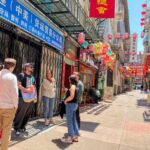
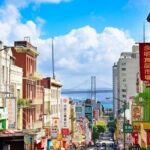
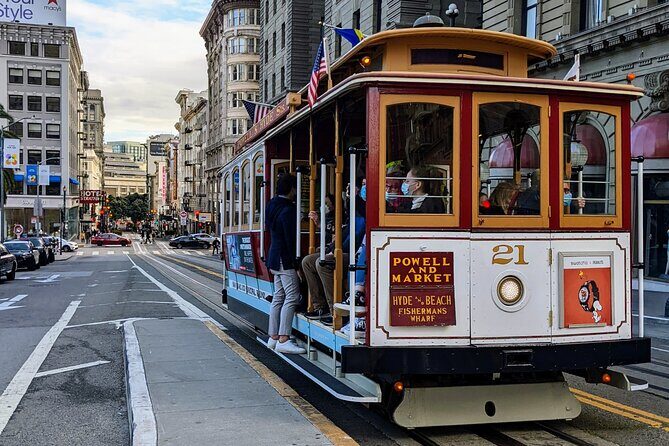
San Francisco’s Chinatown is described as the oldest Chinatown in the US, and it’s also portrayed as a neighborhood that’s still working through challenges while staying active and visible. On your visit, you’ll see it as a shopping district with cultural events and strong restaurant options.
This is one of those places where a guided stop helps. With context, you notice more than souvenir rows. You start to connect the neighborhood’s role in the city’s diversity with why people keep coming back despite the real-world pressures neighborhoods face.
City Hall: the golden dome you can’t stop staring at
You’ll approach San Francisco City Hall, a grand Beaux-Arts style building that’s also described as Neoclassical. The standout is the golden dome and the ornate details, and the tour gives you about 10 minutes here, which is just right for photos and a quick look around.
If you’re doing this on your first day, City Hall is a great anchor point. It helps you understand the “official” face of the city while you’re still learning how everything else fits together.
The Mission District murals and why the neighborhood matters
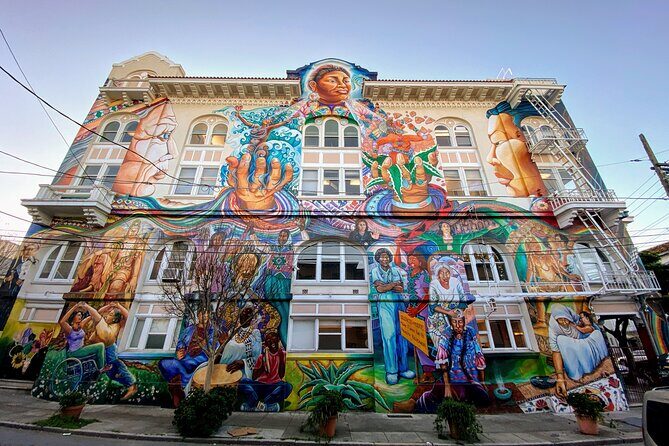
In the Mission District, the tour focuses on the area’s Latin American cultural heritage. Expect to see colorful murals, hear about delicious local cuisine, and feel the energy connected to street fairs and neighborhood life.
There’s also a frank note about gentrification and rising housing prices. That’s not just background noise. It helps you understand why murals and community events matter so much here: they’re part of identity, not only decoration.
Practical tip: bring comfortable shoes. The Mission is walk-and-look territory, and a short stop is still enough time to spot multiple mural styles if you move at a relaxed pace.
The Castro and Harvey Milk: activism you can feel in the streets
The Castro neighborhood is described as diverse, lively, and historic, with a strong connection to LGBTQ+ activism and culture. It’s also tied to Harvey Milk, noted as the first openly gay elected official in the US, and today it’s still portrayed as a hub for that community.
During your stop, you’ll also see it as a small-business area with a mix of residents. That combination matters. It’s not only about the big historical name, it’s about daily life—shops, streets, and the way the neighborhood carries its identity forward.
A simple way to get more out of this stop: look for details that feel locally run rather than purely tourist-facing. That’s often where the Castro’s story comes through.
Twin Peaks: the panorama stop that changes your whole mental map
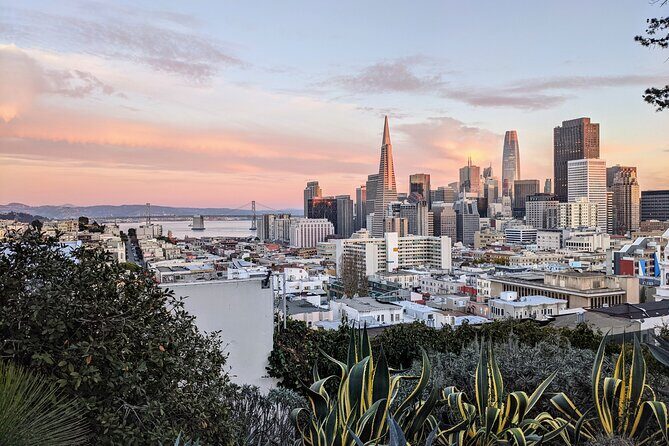
Then comes Twin Peaks, and the tour frames it as the best panoramic view of San Francisco from one of the city’s tallest peaks. You get around 15 minutes, which means this is a quick photo-and-skyline moment, not a long hike.
This viewpoint is worth treating as your “reset button.” Once you see the bay, bridges, and neighborhoods from above, the rest of your walking later feels less random. Even if you’ve seen pictures, the scale only clicks in person.
Bring layers if it’s windy. San Francisco viewpoints can feel cooler than lower streets, and standing still for photos can make that difference obvious.
Painted Ladies and a drive-by of Billionaire’s Row
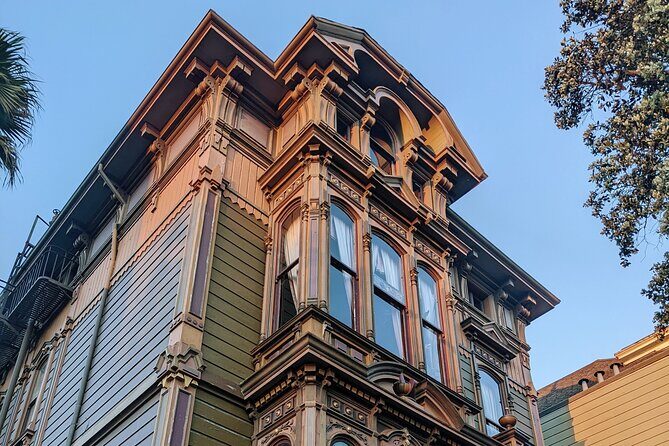
You’ll visit Painted Ladies, a historic row of Queen Anne Victorian homes made famous by the 90s show Full House. The tour gives you about 20 minutes, which works well for getting your camera angle right and then taking a few moments just to study the architecture.
From there, you’ll also “cruise down” what’s unofficially called Billionaire’s Row, where you’ll witness big mansions. This part is less about lingering and more about switching gears from TV-famous facades to the scale of wealth right on the city’s hillside edges.
If you care about architecture, this is a nice contrast pairing. You go from recognizable TV pop culture to the real thing: ornate Victorian details, then modern luxury in the same general region.
Golden Gate Bridge: an engineering marvel you’ll want to look at twice
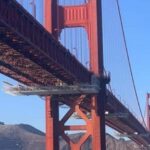
The tour’s Golden Gate Bridge stop is timed for about 20 minutes, and the focus is on both the views and the engineering. This is the kind of landmark where a guided moment helps because there’s more to notice than the famous postcard shape.
I like doing this after Twin Peaks. It gives you a “from above” comparison that makes the bridge look different depending on where you’re standing. And since the tour is structured around clear outlook stops, you’re less likely to waste time wandering for the best angle.
Photo strategy: take a few wide shots first, then step back and get one tighter composition once you see how the light is hitting the water.
Sausalito across the bridge: waterfront walking and houseboat scenery
Next is Sausalito, just across the Golden Gate Bridge, and the description includes scenic bay views, a charming houseboat community, and a lively downtown. You get about 1 hour, and you’ll be encouraged to stroll the waterfront promenade, browse boutique shops and art galleries, and choose a meal at one of the many restaurants.
Important: Lunch is not included. That’s not a deal-breaker, but it does mean you should treat Sausalito as your chance to eat. If you wait until later, you might realize you’re too full for the last stop, or too tired to enjoy it.
If you like photos, Sausalito is where you can shift from major landmark shots to “everyday charm.” The bay view does the heavy lifting, but the waterfront atmosphere is what keeps you lingering.
Palace of Fine Arts: the 1915 Exposition rotunda moment
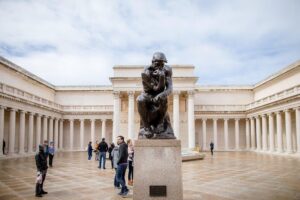
The final landmark stop is the Palace of Fine Arts Theatre, described as the only remaining structure from the 1915 International Exposition. You’ll walk under a 162 ft (49 meter) rotunda, and the tour notes how the space can feel like you’re in a Greek-myth setting.
With only 15 minutes, your job is simple: slow down for a few photos, look up, and notice the scale of the rotunda. It’s also a great way to end the day because it shifts from street energy and big viewpoints into something calmer and more architectural.
If you’re the type who likes to end on a visual payoff, this stop is the right kind of finish.
Value and pacing: why this feels like a smart first day
The best part of this tour is how it sets you up for the rest of your trip. You’re not only checking boxes. You’re learning the relationships between neighborhoods, landmark design, and the city’s identity.
The route moves fast enough to cover major sights, but it’s also built around time in places with distinct character, like the Mission and the Castro. When the guide has that Rolando-level mix of storytelling and energy, you end up with enough context to make your next day’s choices more confident.
The tradeoff is that you’re not staying long enough at any one spot to treat it as a standalone day. That works if you want orientation and variety. It’s less ideal if you’re seeking deep museum time or extended walking tours.
Should you book this Local Flavors tour?
Book it if you want a 4 to 5 hour SF “starter kit” that covers major landmarks and real neighborhoods with clear, practical guidance. It’s especially good as a first day because you leave with a strong mental map and a short list of places worth returning to.
Skip it if you already have a very specific plan for one area and don’t want a route-driven schedule. Also, if you hate early starts, remember it begins at 8:30 am, and since weather matters, you may not get the most from viewpoints on days with poor visibility.
FAQ
FAQ
How long is the tour?
It’s about 4 to 5 hours, and the total duration includes travel time.
What time and where do we meet?
The tour starts at 8:30 am at 2800 Hyde St, San Francisco, CA 94109, and it ends back at the meeting point.
What’s included besides the guided experience?
The tour includes an air-conditioned vehicle.
Is lunch included?
No. Lunch is not included.
What language is the tour offered in?
It’s offered in English.
How many people are on the tour at most?
There’s a maximum group size of 12 travelers.
Does the tour depend on weather?
Yes. It requires good weather, and if it’s canceled due to poor weather, you’ll be offered a different date or a full refund.
Are admissions included for the stops?
The stops listed show Admission Ticket Free for each of them.