REVIEW · SAN FRANCISCO
San Francisco Chinatown Food and Culture Tour
Book on Viator →Operated by ExperienceFirst · Bookable on Viator
Chinatown tastes better with a guide. I love the way this tour pairs street-level sights with real food stops, and I also like that the pace feels unhurried and professional. One thing to consider: you’ll be walking the whole time, so wear shoes you don’t mind on uneven sidewalks and tight corners.
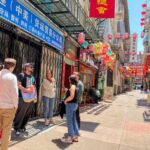
This is a 2-hour, small-group Chinatown tour focused on how Chinese immigrants shaped the neighborhood through architecture, politics, and everyday community life. You’ll hit key landmarks like Waverly Place’s painted balconies, a fortune cookie factory in Ross Alley, and finish at Transamerica Redwood Park—redwoods in the shadow of downtown offices.
In This Review
- Key things you’ll notice on this Chinatown tour
- How the 2-hour Chinatown food walk actually feels
- Stop 1: Woh Hei Yuen Park and the neighborhood’s everyday rhythm
- Stop 2: Gum Moon Residence Hall and missionary influence in plain terms
- Stop 3: AA Bakery & Cafe and the smell test you can taste
- Rose Pak Station and Waverly Place’s painted balconies
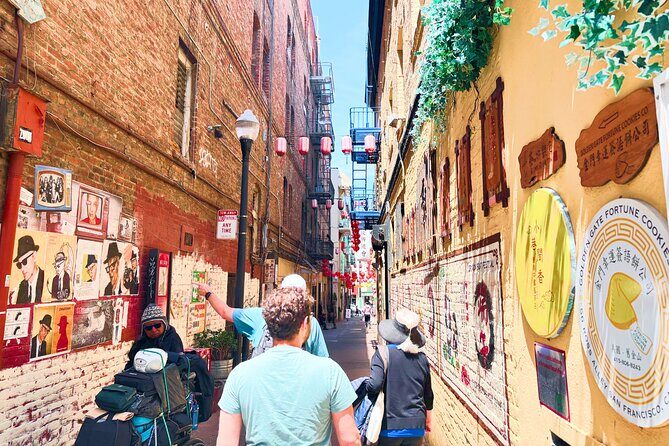
- Ross Alley: fortune cookies and the alley stories behind them
- Grant Avenue and the architecture that shouts its story
- House of Dim Sum: steamed, baked, and fried dumplings with vegan options
- Transamerica Redwood Park: redwoods at the end of the story
- Is $49 good value for Chinatown food and culture?
- Should you book this Chinatown Food and Culture Tour?
- FAQ
- How long is the San Francisco Chinatown Food and Culture Tour?
- What does the tour cost?
- Where does the tour start and where does it end?
- What time does the tour begin?
- Is it a walking tour?
- What food is included in the price?
- Can the dim sum be vegan?
- How large is the group?
- Is the tour refundable if my plans change?
- Are service animals allowed?
Key things you’ll notice on this Chinatown tour
- Max 15 travelers means you can actually hear the guide and move at a steady pace
- Dim sum dumplings are included (steamed, baked, and fried), with vegan options if you tell the guide
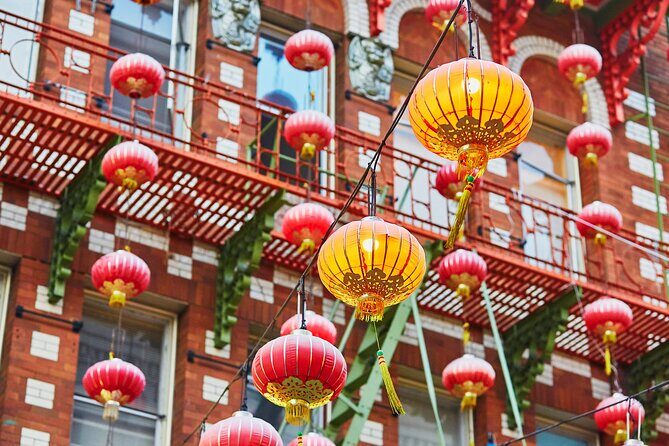
- Waverly Place painted balconies + an old temple connect Instagram views to lived history
- Ross Alley fortune cookie factory ties a fun snack to older alley stories
- Rose Pak-focused stop puts Chinatown politics and civic change into plain context
- End at Transamerica Redwood Park for a cool contrast: redwoods and skyline right together
How the 2-hour Chinatown food walk actually feels
This tour is built for two hours of walking plus tastings. It starts at Woh Hei Yuen Park in San Francisco Chinatown and ends at Transamerica Redwood Park at 600 Montgomery St. The listed start time is 12:30 pm, and the route is done on foot, one stop at a time.
You’ll be in a group of up to 15 people. That matters more than you might think. Smaller groups usually mean fewer herd-moments at busy photo spots, and it’s easier to ask questions. The tour also runs with a mobile ticket, so you’re not hunting for paper in your bag.
Food is a big part of the experience, but it’s not just eating and snapping photos. The guide connects each stop to the neighborhood’s story—Chinese immigration, community building, political pioneers, and the way Chinatown rebuilt after the 1906 earthquake and fire.
You can also read our reviews of more food & drink experiences in San Francisco
Stop 1: Woh Hei Yuen Park and the neighborhood’s everyday rhythm
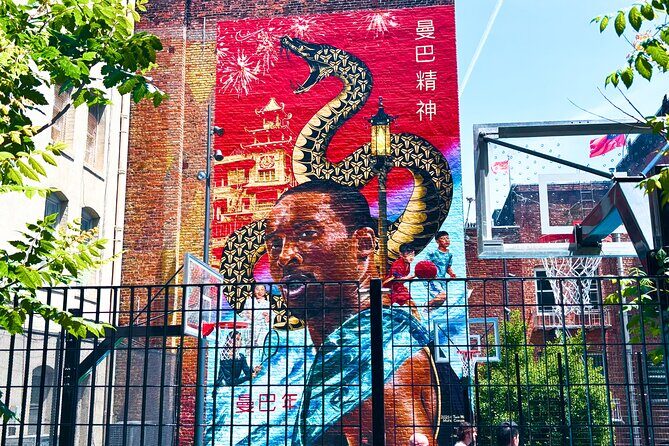
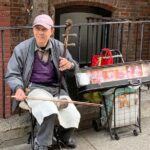
You begin at Woh Hei Yuen Park, a playground-and-park spot where you might see people dancing to traditional Chinese music. Even if you don’t catch dancing, the point is the same: this isn’t a museum. It’s a living neighborhood with routines that keep going.
This first stop is a good warm-up. It helps you “read” Chinatown before you get into the densest parts of the sights. You’ll start noticing details you’d otherwise miss—street scale, signs, and how community spaces fit into daily life.
Practical tip: this is a stand-and-walk kind of start. If you like to move slowly, give yourself a few extra minutes before meeting so you’re not rushing at the beginning.
Stop 2: Gum Moon Residence Hall and missionary influence in plain terms
Next up is Gum Moon Residence Hall, where you learn about Christian missionaries who advocated, educated, and sometimes sheltered people in the Chinatown community.
That might sound like a heavy topic for a food tour. But it works. Food and culture don’t live in a vacuum. Community institutions—schools, shelters, relief efforts—shaped who stayed, who helped, and how the neighborhood functioned.
I like that this stop makes the history feel grounded. It’s not just dates. It’s about real pressure points: immigration waves, discrimination, and the need for support systems.
Drawback to consider: this portion is more talk-focused than photo-focused, so if you only want scenic stops, plan to enjoy the context rather than treat everything like a picture opportunity.
Stop 3: AA Bakery & Cafe and the smell test you can taste
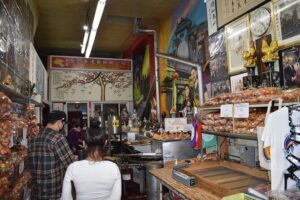
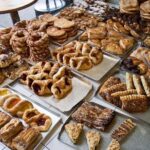
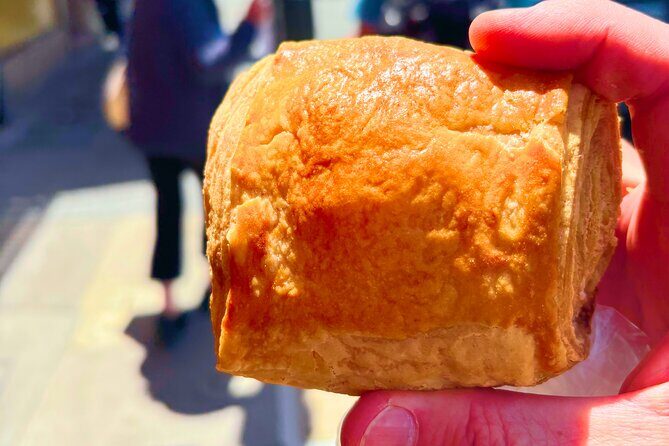
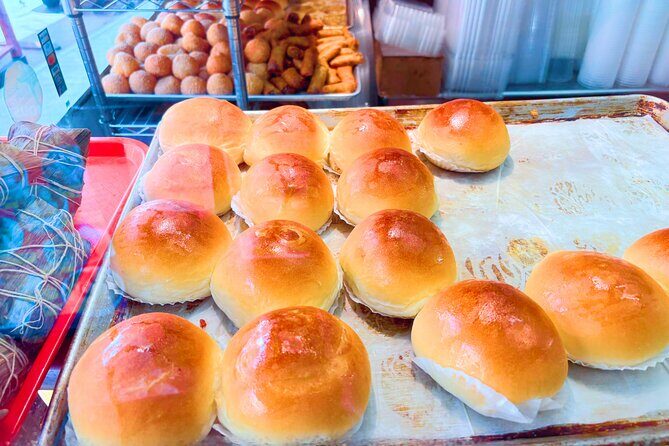
Then you head to AA Bakery & Cafe for tastings like fresh buns, egg tarts, and sesame balls. This is the moment where the tour shifts from history storytelling to flavor first.
Even with no fancy explanation, bakery stops do something useful: they ground you. Sweet and savory bites help you stay present while the guide talks about immigration, community, and rebuilding efforts.
What I find practical here is the variety. You get a mix of textures and flavors—think flaky pastry, warm filling, and crunchy exterior treats. It’s a smart way to sample without committing to a full meal midway.
If you have allergies or dietary restrictions beyond the vegan dumplings option, don’t rely on assumptions. Ask the guide what you’re eating right there and then.
Rose Pak Station and Waverly Place’s painted balconies
After the bakery, you’ll stop at Chinatown-Rose Pak Station. This is where you hear about Rose Pak and her role in amplifying Chinatown’s political voice, including bringing San Francisco’s first Chinese American mayor to office and working with a city subway line that connected to the neighborhood.
Even if you don’t care much about transit history, this matters. Chinatown’s story includes politics and infrastructure. Access to the city shapes access to jobs, business, and community resources. This stop helps explain why “neighborhood history” isn’t only old buildings—it’s also decisions that change daily life.
From there, you walk the street of painted balconies and you’ll see the oldest Chinese temple in town. This is where the tour leans hard into visual payoff: colorful architecture you can photograph, plus the story behind why those buildings and spaces were built and rebuilt.
You’ll also hear about the devastating 1906 earthquake and fire, and how Chinatown responded in the aftermath. That’s the reason the architectural details matter. The design choices aren’t only aesthetic. They’re part of rebuilding, survival, and identity.
Photo note: Waverly Place is famous for balconies. Go in with a plan—if you want clear shots, expect to angle around other people and keep your eyes on what’s on the second and third floors, not just street level.
You can also read our reviews of more tours and experiences in San Francisco

Ross Alley: fortune cookies and the alley stories behind them
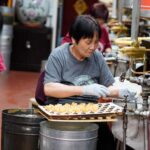
Next is Ross Alley, where you stop by a fortune cookie factory. You’ll also hear the darker side of alley lore, including criminal gangs that once prowled the alleys.
This is a fun contrast stop. Fortune cookies are light and playful—yet the alley stories give you a better sense of how Chinatown’s spaces changed over time. It’s not fear-mongering. It’s context. When you look at older narrow passages, you start to understand why crime and community safety were intertwined with the neighborhood’s growth.
If you like odd-but-true history, this is one of the better parts of the walk. You get both the snack culture and the urban edge.
Grant Avenue and the architecture that shouts its story
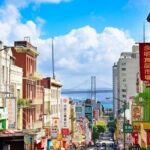
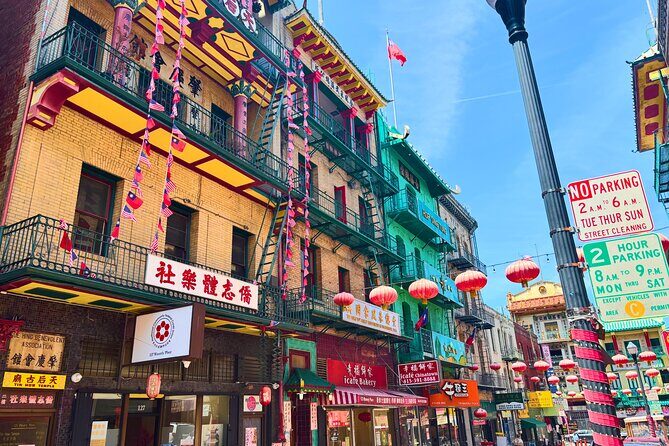
On Grant Avenue, you walk past striking buildings and learn how Chinatown’s bold, colorful architecture came to be. You’ll also connect parts of what you see to larger city moments—such as stories of gold rush immigrants and major events that pushed Chinatown to reinvent itself.
I like this stop because it doesn’t ask you to admire buildings from far away. The guide points out how the architecture functions as language. Color, layout, and street presence helped Chinatown communicate its presence and resilience.
This is also a good “stretch your legs” segment of the route. You’re outdoors, you can slow down for details, and you’ll likely have a better sense of direction by now.
House of Dim Sum: steamed, baked, and fried dumplings with vegan options
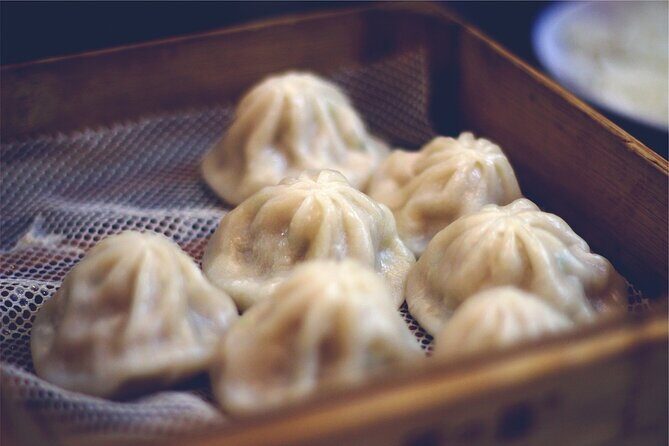
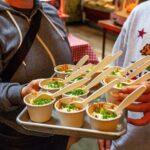
The culinary highlight is at House of Dim Sum, where you enjoy a variety of steamed, baked, and fried dumplings included with the tour.
This stop is doing the most work for value. At $49 per person, the included dim sum variety is a big piece of what you’re paying for. Dim sum isn’t just one item. It’s a mix of styles, which means you taste more and waste less time debating what to order.
Important detail: the restaurant can offer vegan dumplings. You just need to let your guide know you prefer that option. That’s a clear, practical way to get a meal that matches your needs without turning your tour into an awkward negotiation later.
How to make this stop go smoothly: come hungry, but don’t assume you’re eating like you’re at brunch. You’ll have already had pastries by this point, so pace yourself. The best dumpling orders are the ones you can actually taste.
Transamerica Redwood Park: redwoods at the end of the story
You end at Transamerica Redwood Park, a grove of redwood trees that sits in an unexpected spot—right near San Francisco’s most famous office building.
This finish works for a simple reason: it gives you a visual reset. After tight streets and dense architecture, you get open air and shade. It’s also a reminder that neighborhoods change, even inside a city block.
It’s a nice ending point to walk off your dumpling energy and recap what you learned. You’ll likely find the tour stories stick better because the setting shifts from street texture to calm greenery.
Is $49 good value for Chinatown food and culture?
At $49 per person for about 2 hours, this isn’t a cheap snack-only outing. It’s a guided walk where you get structured stops, food experiences, and multiple landmark story beats: painted balconies, the oldest Chinese temple in town, a fortune cookie factory, and a sit-down style dim sum portion with multiple dumpling types.
What makes it feel like value instead of just a tasting menu:
- Dim sum dumplings are included, and the variety (steamed, baked, fried) gives you more than a token bite.
- You’re not just eating—you’re getting context that helps you understand what you’re looking at while you’re looking at it.
- You’re in a small group (up to 15), which is usually where quality shows up.
Budget reality check: the tour notes suggest bringing around $20 if you want to purchase food at other stops. If you stick to included items, you can keep costs controlled.
One more practical detail: this tour is typically booked about 29 days in advance, which suggests demand. If you have specific dates, I’d avoid waiting until the last minute.
Should you book this Chinatown Food and Culture Tour?
Yes—if you want Chinatown with a guide who connects food, architecture, and community history in a way you can walk through. This is especially a good pick if you like learning while you explore, but you still want your schedule to stay relaxed instead of rushed.
Skip it (or plan differently) if you hate walking routes, or if you’re looking for a purely scenic photo tour with minimal story. This experience spends real time on context—politics, community support, and the 1906 aftermath—because that’s how Chinatown’s streets make sense.
If you book, do one simple thing: arrive hungry enough for dumplings, and bring a willingness to notice details beyond the storefronts. That’s where the best moments happen.
FAQ
How long is the San Francisco Chinatown Food and Culture Tour?
It’s about 2 hours long.
What does the tour cost?
The price is $49.00 per person.
Where does the tour start and where does it end?
It starts at Woh Hei Yuen Park, San Francisco, CA 94133, and ends at Transamerica Redwood Park, 600 Montgomery St, San Francisco, CA 94111.
What time does the tour begin?
The listed start time is 12:30 pm.
Is it a walking tour?
Yes. The experience is described as a 2-hour walking and tasting tour.
What food is included in the price?
The tour includes dumplings at the House of Dim Sum. You’ll also stop for tastings of Chinatown treats along the way.
Can the dim sum be vegan?
Yes. The dim sum restaurant can offer vegan dumplings. Let your guide know you prefer vegan options.
How large is the group?
The tour has a maximum of 15 travelers.
Is the tour refundable if my plans change?
Yes. You can cancel up to 24 hours in advance for a full refund.
Are service animals allowed?
Yes, service animals are allowed.