REVIEW · SAN FRANCISCO
Chinatown Walking Tour: Food, History & Flavor
Book on Viator →Operated by Local Tastes of the City Tours · Bookable on Viator
Three hours, and Chinatown makes sense. Starting at the Dragon Gate, you walk side streets with a guide and eat your way through the neighborhood’s biggest flavors and stories.
I love the small group setup (15 people or fewer). You get time to ask questions, and the tour stays easy to follow even when the streets get narrow.
One thing to plan for: the route includes some hills, so wear shoes you trust.
In This Review
- Key Highlights I’d Put on Your Shortlist
- Entering at the Dragon Gate: How the Tour Sets the Story
- Your Taste Plan: Dim Sum, BBQ Pork Buns, and a Lunch That Feels Finished
- Golden Gate Fortune Cookie Factory: The Most Fun Food Stop in the Day
- Stockton Street Markets: The Part That Feels Like You Live Here
- Tea Tasting at Vital Tea Leaf (and Chinese Tea Customs)
- The 3-Hour Walk: Pace, Hills, and Small-Group Comfort
- How Much Is $86 Worth? (And When It’s a Good Deal)
- Who Should Book This Chinatown Food History Tour
- Should You Book It?
- FAQ
- Where does the tour start and end?
- How long is the Chinatown walking tour?
- How big is the group?
- What’s included in the food and drink?
- Is the tour offered in English?
- Can service animals participate?
- Can they accommodate nut allergies?
- What if I need to cancel?
Key Highlights I’d Put on Your Shortlist

- Dragon Gate start gives you a clear historical entry point right away
- Traditional Chinese tastings make it feel like lunch, not snack duty
- Golden Gate Fortune Cookie Factory lets you see cookies made and get a sample
- Stockton Street markets are where you’ll spot everyday herbs, produce, and local shopping culture
- Tea tasting adds flavor education, not just another stop
Entering at the Dragon Gate: How the Tour Sets the Story
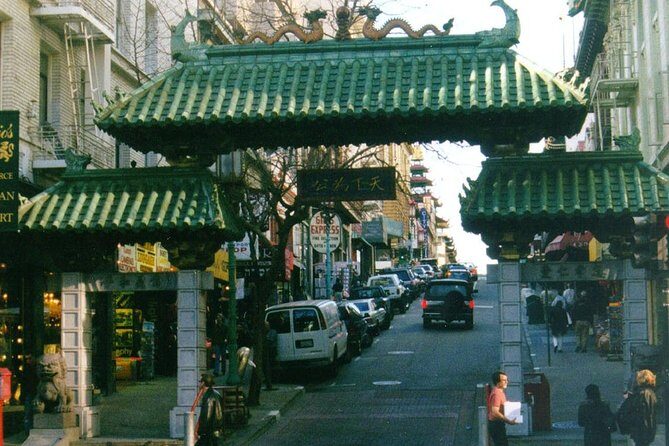
The tour starts at 400 Grant Ave, right at San Francisco’s Dragon Gate. It’s more than a photo moment. This is the kind of landmark that helps you understand the neighborhood as a destination with history, not just a place to wander.
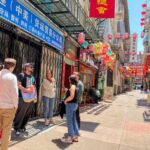
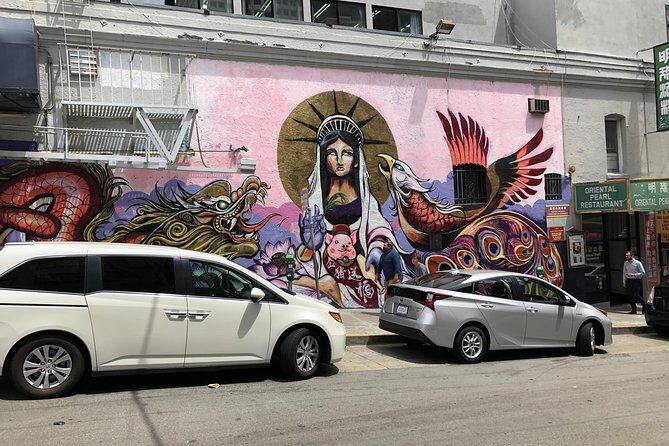
Once you’re through, you’ll move from main streets to quieter passageways. That change of scenery matters because Chinatown is layered. You’ll see storefront energy, then step into calmer pockets where the character of the area feels more personal.
You can also read our reviews of more walking tours in San Francisco


Your Taste Plan: Dim Sum, BBQ Pork Buns, and a Lunch That Feels Finished
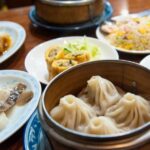
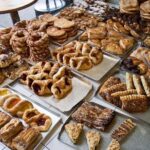
Food is the engine of this tour, and you’re not just sampling one thing. You’ll work through tastings that add up to a traditional Chinese lunch, with favorites like dim sum and BBQ pork buns showing up along the way.
Here’s what I like about this approach: the tour teaches you how to order and what you’re looking at. Dim sum is a perfect example. It’s easy to walk into a place, point at random items, and hope for the best. With a guide, you get the context—what it is, why people eat it, and how it fits into the meal.
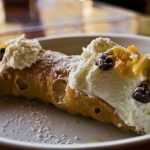
From what’s described for the experience, your tasting lineup may include items such as BBQ pork buns and a range of dim sum styles, and some tours also highlight a Peking duck lunch stop. You may also encounter classic Chinese pastries and other bakery-style treats. The best part is that it doesn’t feel like filler. The tastings are meant to keep you full while you walk and listen.
Golden Gate Fortune Cookie Factory: The Most Fun Food Stop in the Day
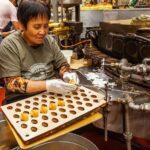
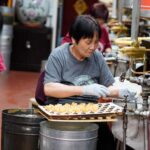
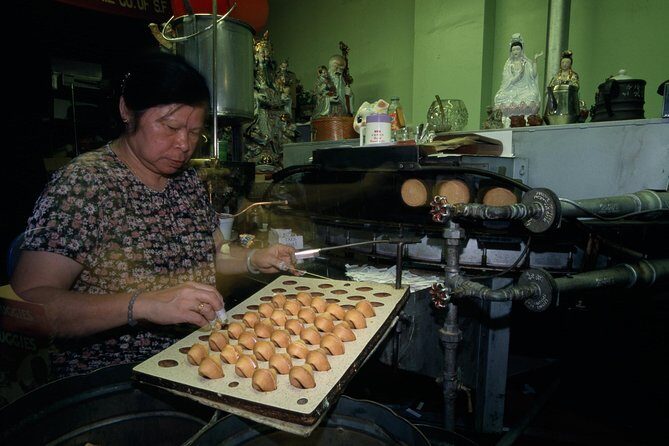
A major anchor of the route is the Golden Gate Fortune Cookie Factory. You’ll stop there specifically to see and sample fortune cookies made before your eyes. That matters because the novelty can turn into something more fun and memorable when you watch the process, not just buy a packaged cookie.
Timing is worth keeping in mind. The schedule is designed for a short, efficient visit, but if the factory area gets busy, it can affect how smooth the stop feels. One review notes the factory wasn’t completed on a day with long lines, so this is the one place where you should mentally allow for a little friction.
Even if you’re a fortune-cookie sceptic, watching production adds a playful layer to the day. And it gives you something you can compare later with other cookie versions you’ll see elsewhere.
Stockton Street Markets: The Part That Feels Like You Live Here
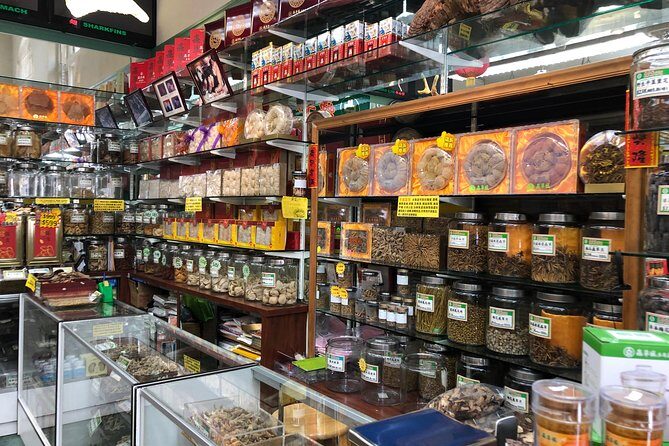
After the big landmark stops, you’ll head toward Stockton Street markets. This is where the tour shifts from major attractions to daily life. Your guide helps you browse specialty herbs and produce at local grocers, which is a smart move if you’ve ever wondered what locals actually buy versus what tourists only photograph.
This segment also works because it teaches you how ingredients and products are part of cultural routine. You’ll notice the way herbs and packaged goods are displayed, and you’ll understand why the neighborhood has a reputation for being a real shopping hub, not just a scenic corridor.
And yes, you’ll keep tasting along the route. But the markets are also a break from eating—more like a chance to slow down, look closely, and ask questions about what you’re seeing.
Tea Tasting at Vital Tea Leaf (and Chinese Tea Customs)
The finale style of the tour is the tea tasting, typically hosted at a family-run tea shop. This stop is often where the experience clicks for people who don’t expect to care about tea. You’re not just drinking something warm—you’re learning how tea culture connects to flavor and habits.
A named example from the experience is Vital Tea Leaf, where the host style gets called out as especially memorable. The practical value here is that tea becomes understandable. You’ll start noticing differences in aroma, taste, and how the experience is meant to be shared.
This part also balances the day. After multiple savory tastings, tea gives your palate a reset and a new thread to follow. It’s a good example of why this tour feels like more than a food walk.
You can also read our reviews of more food & drink experiences in San Francisco


The 3-Hour Walk: Pace, Hills, and Small-Group Comfort
The tour runs about 3 hours. Most of the day is walking, and Chinatown includes hills, so the smart move is to plan for that. One review calls out only one short climb feel, while another flags the hilly nature more strongly. Either way: comfy shoes are not optional.
The small group size (15 people or fewer) helps a lot. You’re less likely to feel split up, and you can keep up with stops and instructions without being rushed. It also makes Q&A easier, which is where a guide really earns their fee.
Guides vary by group, but names that show up again and again include Ryan Curtis, Andre, Scott, Isabella, Cynthia, Brian, and David. Across these different leadership styles, the common theme is that the history and flavor talk stays tied to what you’re actually seeing and eating—so the walking doesn’t feel like a lecture.
How Much Is $86 Worth? (And When It’s a Good Deal)
At $86 per person, you’re paying for three things: guided navigation through Chinatown, multiple food tastings that add up to a full meal, and the tea + fortune-cookie experiences.
If you’re comparing this to eating on your own, it’s useful to think about two costs you usually pay anyway in San Francisco: guided time and restaurant pacing. A tour like this stacks those costs into one clear price. You also don’t have to keep asking for recommendations or re-checking what you like—because the plan is built around tasting and learning as you go.
That said, the tour balance is not purely foodie. Several reviews describe it as a history-and-culture-first experience with strong food. If your priority is only the most intense food, you might want to pair this with additional independent eating afterward.
Also watch for “off-menu” or standout stops. One review mentions a favorite noodles stop, while another notes some food stops were just okay. That tells me the experience is generally strong, but specific taste preferences still matter.
Who Should Book This Chinatown Food History Tour
This is a great fit if:
- You’re new to Chinatown and want context fast, starting at the Dragon Gate
- You want a guided day that mixes eating with stories you can carry around afterward
- You like tea culture and food explanations, not just eating quietly
It might be a weaker fit if:
- You have a nut allergy. The experience says it isn’t able to accommodate nut allergies.
- You want a mostly flat, minimal-walking stroll. There are hills, even if the pace is designed to be manageable.
- You only want maximum food time. Some groups experience more history/culture than expected and may wish for a more food-heavy flow.
If you’re traveling with family, it can work. Reviews mention teenagers enjoying it, and the pace is described as steady and easy to handle in general.
Should You Book It?
I’d book this tour if you want Chinatown to feel understandable by the time you’re finished—because it ties together landmark entry, a real meal-style tasting plan, and a tea stop that teaches you something beyond the menu.
Skip it (or be cautious) if nut allergies are part of your group needs, or if hills and longer market-and-history moments feel like a mismatch for your idea of a perfect day.
If you want a Chinatown day that’s part meal, part orientation, and part story—this one is hard to beat for the price and the small-group feel. For my money, $86 is most justified when you’re hungry, curious, and ready to walk and ask questions.
FAQ
Where does the tour start and end?
It starts at 400 Grant Ave, San Francisco, CA 94108, and ends at 650 Jackson St, San Francisco, CA 94133.
How long is the Chinatown walking tour?
The tour lasts about 3 hours.
How big is the group?
The experience has a maximum of 15 travelers, keeping it small-group style.
What’s included in the food and drink?
You’ll get a traditional Chinese lunch-style set of tastings, including tea and fortune cookies, along with dim sum and other Chinatown treats.
Is the tour offered in English?
Yes. The tour is offered in English.
Can service animals participate?
Yes, service animals are allowed.
Can they accommodate nut allergies?
No. The experience is not able to accommodate nut allergies.
What if I need to cancel?
You can cancel for free up to 24 hours before the experience start time for a full refund.