San Francisco’s secret stairs change everything you think. I love this tour for how it swaps the usual skyline stops for mosaic steps, tucked gardens, and hilltop views that feel like you found a local shortcut. You’ll get stories along the way, plus wide panoramas aimed at the Golden Gate Bridge, Golden Gate Park, and downtown.
My favorite part is the guide’s storytelling from the neighborhood level. I also like the small-group feel: the walk is capped at 10 people, so you’re not shouted over like you are on bigger tours. I left feeling like I understood why these stairways exist and how they connect to daily life in the city.
One drawback to plan for: there’s a lot of stairs and hills. It’s not described as strenuous, but it is still a walking tour built around stair climbs—and strollers don’t work well here, so small kids usually need to be carried.
In This Review
- Key things to know before you go
- A 2-Mile Walk That Shows SF’s Other Face
- Price and What You Really Get for $37
- Meet at 800 Judah: Pacing, Weather, and What to Wear
- Stop-by-Stop on the Hidden Stair Route
- Stop 1: Golden Gate Bridge
- Stop 2: Golden Gate Park
- Stop 3: Downtown San Francisco
- Stop 4: Salesforce Tower
- Stop 5: Inner Sunset
- Stop 6: Golden Gate Heights
- Stops 7 and 8: de Young Museum + California Academy of Sciences
- Stop 9: Hidden Garden Steps
- Stop 10: Lincoln Park Steps
- Stop 11: Hidden Garden Steps (again)
- Stop 12: 16 Avenue Tiled Steps
- The Mosaic Steps Aren’t Just Pretty
- Gregory McQuaid’s Approach: Stories, Photos, and Local Connections
- Who This Tour Fits Best (and Who Might Reconsider)
- Should You Book Hidden Stairways of San Francisco?
- FAQ
- How long is the Hidden Stairways of San Francisco tour?
- Is the tour strenuous?
- How many people are in the group?
- Where does the tour start, and when?
- Is it stroller-friendly?
- What weather does the tour require?
Key things to know before you go
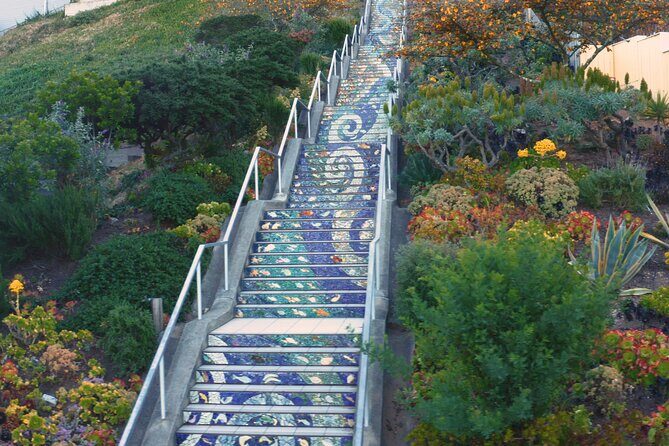
- Mosaic-tiled steps paired with city stories, not just photo stops
- 360° viewpoints tied to Golden Gate Bridge, Golden Gate Park, and downtown
- Small group (max 10), so the guide can keep it personal
- A gentle pace with stairs, but you should still be ready for hills
- Gregory McQuaid (Greg) uses humor and local connections to bring the route alive
- Photo help after the tour, plus a GPS-style route option you can reuse
A 2-Mile Walk That Shows SF’s Other Face
If you only see San Francisco from the big overlooks, you miss the city’s craft and character. This tour takes you through a quiet pocket of SF where the scenery is built into the streets themselves—especially the mosaic-tiled stairways that people use like shortcuts between neighborhoods.
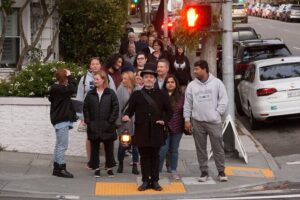
You start at 800 Judah St and finish back there. The walk is about 2 miles and takes roughly 2 hours, which is a sweet length for a “do something meaningful” afternoon. It’s also scheduled for 1:00 pm, so it works well if you want views and walking time without burning your whole day.
The route is built around a few anchor viewpoints—then it threads through smaller, less touristy corners. The promise is not just pretty stairs. It’s the combination of art, gardens, and context so the places you pass feel connected instead of random.
You can also read our reviews of more walking tours in San Francisco



Price and What You Really Get for $37
At $37 per person for about 2 hours, you’re paying for more than a stroll. You’re paying for a local guide—Gregory McQuaid (Greg)—who turns stairways into a way to understand the city. That matters in San Francisco because the “why” behind a place is often the story you can’t see from a postcard.
A lot of tours sell views. This one adds layers: how the stairways shaped movement through the hills, what you’re looking at when you’re standing above the street grids, and how the route connects to real neighborhood landmarks like de Young and the California Academy of Sciences area.
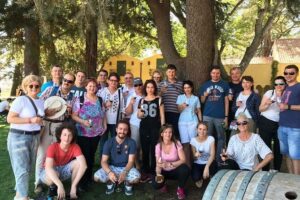
Small-group pricing also helps. With a cap of 10 travelers, you’re less likely to spend your time waiting your turn to look. You can ask questions, take photos, and actually follow the guide’s line of thinking.
Meet at 800 Judah: Pacing, Weather, and What to Wear
This walk is described as not strenuous. Translation: the pace is leisurely, but you still have to climb. Plan for stairs and uneven hill terrain, even if you’re not doing a hard workout.
San Francisco weather can help or hurt your day:
- Generally, SF is drier May to October
- Fog often shows up in summer, mostly in the morning
- Temps usually hover roughly between 50–70°F (10–21°C)
- Rain may cancel the experience
So dress like it’s SF: layers are smart, and you’ll feel happier with a jacket you can pull on or off. Wear solid walking shoes. One review specifically calls out good shoes as the difference between enjoying the climb and thinking about your feet the whole time.
Also note the family fit: strollers are not suitable, and small children may need to be carried. If you’re traveling with anyone under 18, it’s your job to make sure the activities are age-appropriate.
Stop-by-Stop on the Hidden Stair Route
The itinerary moves in a way that makes sense for views first, then “hidden SF” second. You’ll go from big, famous landmarks into quieter hill neighborhoods where the stairways and gardens do the real storytelling.
Stop 1: Golden Gate Bridge
You start with the kind of view that makes SF feel unmistakable. Even if you’ve seen the bridge from afar before, getting early height on the route changes how the coastline and bridge shapes relate to the city. Expect the guide to frame what you’re looking at so the rest of the walk clicks into place.


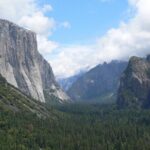


Stop 2: Golden Gate Park
From the bridge, the route naturally pivots toward Golden Gate Park. This is where the tour stops feeling like “random hills” and starts feeling like a guided map of SF’s geography—big public space, then surrounding neighborhoods, then the stairways that let people connect them.
Stop 3: Downtown San Francisco
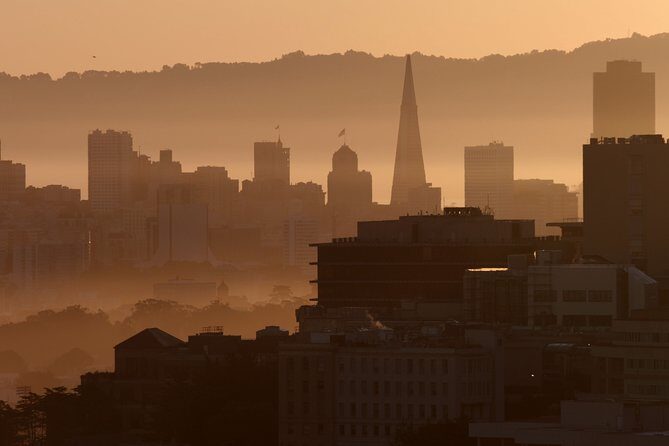
Next comes a different angle on downtown. This helps you understand how far the views reach and why hilltop stairways are so useful. If you like architecture, skyline layout, or simply getting your bearings fast, this mid-walk viewpoint gives you a mental reset.
Stop 4: Salesforce Tower
That one’s here for the skyline context. You get a point-to-point reference that helps you orient while you move through the neighborhoods below. It’s also a reminder that this tour isn’t only about pretty tiles—it’s about reading the city from multiple heights.
Stop 5: Inner Sunset
Now you shift from the big landmarks into the neighborhood texture. Inner Sunset is a good place for the “less touristy” feel to kick in. This is where the tour earns its title: the hidden connections between streets, hills, and community spaces.
Stop 6: Golden Gate Heights
Golden Gate Heights brings you deeper into hill country. The guide’s pacing matters here: you’re still walking leisurely, but you’re also climbing enough that you’ll notice the terrain. Expect the route to feel scenic without being strenuous.
Stops 7 and 8: de Young Museum + California Academy of Sciences
These museum areas are more than stops on a checklist. They give you a sense of SF’s cultural institutions, but also a sense of altitude and sightlines. If you like combining art and views, this segment works because you’re looking outward while standing near recognizable landmark space.
Stop 9: Hidden Garden Steps
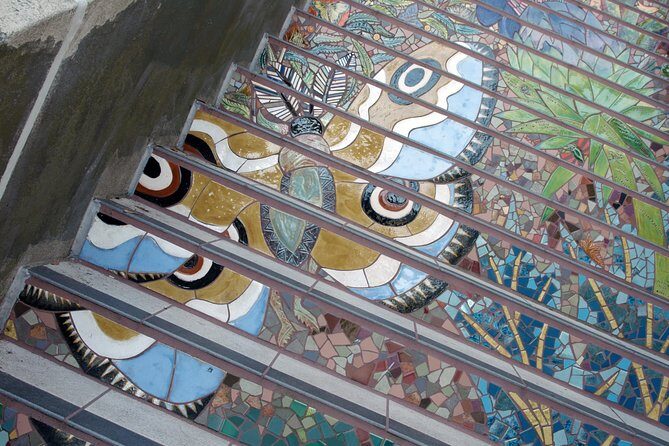
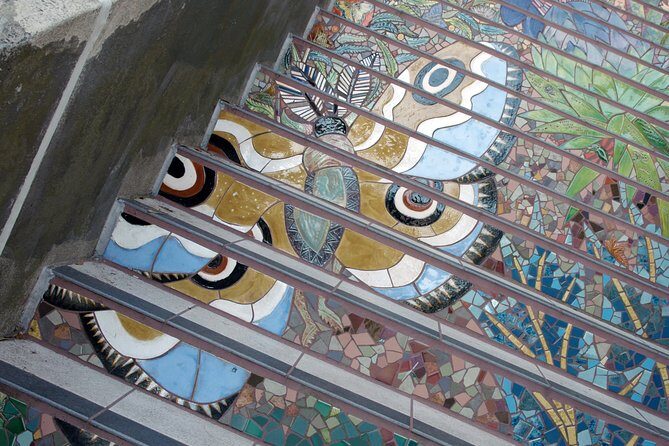
Now you’re into the heart of it: the hidden garden steps. This is where the mosaic tiles and landscaped edges matter most, because you’re not just looking at a staircase—you’re seeing how someone built a passage that also feels like a small refuge.
Stop 10: Lincoln Park Steps
Lincoln Park Steps keep the elevation theme going and add a different neighborhood vibe. The steps themselves act like a moving viewpoint, so you’re not standing still waiting for the best photo moment. You’ll be up and down, seeing how the city changes with each climb.
Stop 11: Hidden Garden Steps (again)
It loops back through the hidden garden staircase area. That repetition is useful. It gives you a second pass where you notice different details—plants, tile patterns, and the way the surroundings frame the view. It also gives you a practical breather because the route doesn’t always demand maximum focus on the climb.
Stop 12: 16 Avenue Tiled Steps
You end with another standout: 16 Avenue tiled steps. By this point you’ve already learned what to look for—the art style, the garden feel, and how stairways stitch neighborhoods together. It’s a fitting finish because it sums up the tour’s core idea: SF’s beauty is sometimes built into the everyday routes people take.
The Mosaic Steps Aren’t Just Pretty
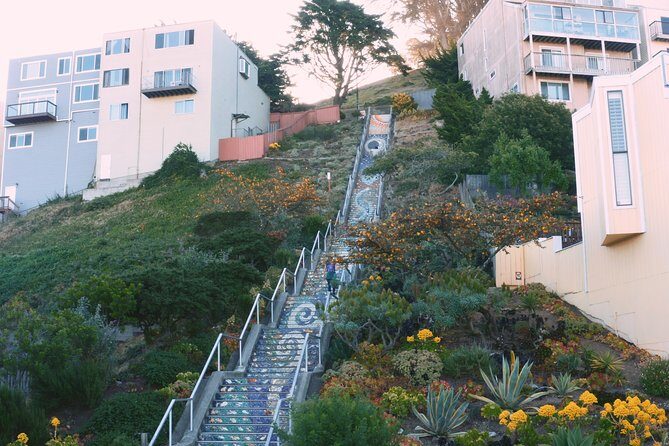
Here’s what I found valuable: the stairways are treated like cultural objects. Not in a museum way. More like in a community way—crafted routes that reflect how people adapt to SF’s hills.
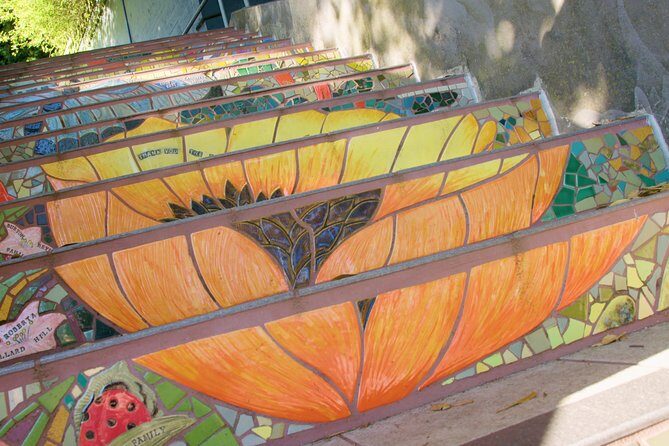
You’ll see mosaic tiled steps and hear the stories behind them, including the historical meaning of how and why these stairways were created. That’s what makes the walk more than scenery. You start to connect the art to movement, and movement to neighborhood identity.
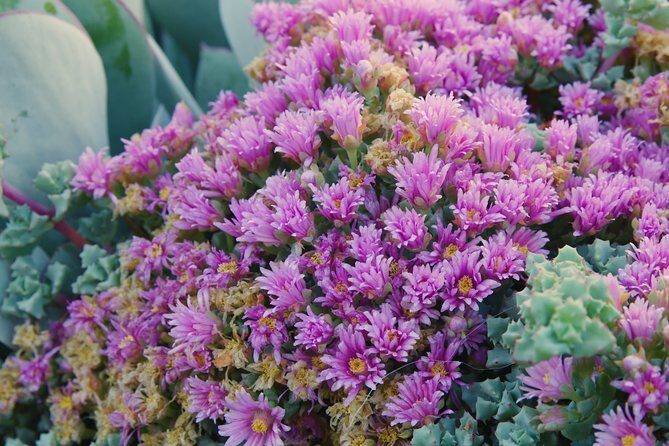
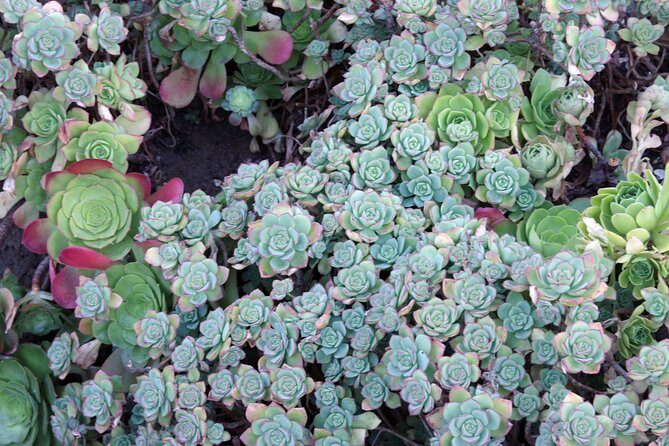
And it doesn’t stop at tiles. The itinerary repeatedly points you toward gardens and scenic corners tourists rarely see. You might even leave with a succulent, since the tour also highlights plants along the route.
Gregory McQuaid’s Approach: Stories, Photos, and Local Connections
The difference on this tour is the guide’s rhythm. Gregory McQuaid (Greg) is described as engaging, funny, and clearly proud of his home city. The route may be set, but his presentation can shift to match who’s in front of him, which helps if you’re bringing kids or if the group is mixed in interests.
One practical perk shows up again and again: he takes photos during the walk and shares them after the tour. That means you’re not stuck constantly handing off your phone to strangers just to prove you were there.
There’s also an extra usefulness reported: a GPS video of the route afterward, so you can repeat parts of the walk on your own later. That’s a real value-add in San Francisco, where a second look can turn one great tour into a personal neighborhood habit.
Who This Tour Fits Best (and Who Might Reconsider)
This is a good match if you:
- Want a local-feeling walking experience instead of a bus tour
- Enjoy stairways, tile art, gardens, and city views
- Like history and culture told in real-world context
- Prefer a small group (max 10) so you can ask questions and move at a relaxed pace
It may be tougher if you have mobility limits or walking difficulty. Even at a leisurely pace, you’re still on a route built around stairs and hills. If that’s a concern, it’s worth weighing whether the “hidden stairs” format is the right kind of outing for you.
Families can do well here too, but plan for the stroller rule. Since strollers don’t work, you’ll likely need to carry small children through stair sections.
Should You Book Hidden Stairways of San Francisco?
I’d book it if you want SF to feel personal and slightly surprising. For $37, the value comes from the mix: mosaic art, garden corners, and hilltop viewpoints tied together by a guide who knows how to explain what you’re seeing. The small group size also keeps it relaxed.
I wouldn’t book it if your ideal day is flat walking with minimal steps. The tour is not described as strenuous, but it is very much a staircase experience. If you can handle hills and stair climbs comfortably, this is one of the smarter ways to spend a couple hours in San Francisco that doesn’t rely on repeating the same famous overlook again.
FAQ
How long is the Hidden Stairways of San Francisco tour?
It runs about 2 hours and covers roughly 2 miles.
Is the tour strenuous?
It’s described as not strenuous, with some stairs, but done at a leisurely pace suitable for almost everyone.
How many people are in the group?
The tour has a maximum of 10 travelers.
Where does the tour start, and when?
It starts at 800 Judah St, San Francisco, CA 94122 at 1:00 pm and ends back at the meeting point.
Is it stroller-friendly?
No. Strollers are not suitable, so small children may need to be carried.
What weather does the tour require?
It requires good weather. If it’s canceled due to poor weather, you’ll be offered a different date or a full refund.