REVIEW · SAN FRANCISCO
San Francisco LGBTQ Walking Tour with Local Guide
Book on Viator →Operated by Cruisin' The Castro Walking Tours · Bookable on Viator
Follow the Castro’s queer story on foot. This San Francisco LGBTQ walking tour zeroes in on the places and people who turned the neighborhood into a symbol of visibility and protest, with a guide who knows the sidewalk details and the bigger meaning. You’ll work your way through iconic memorials, community landmarks, and the trail that connects Harvey Milk’s rise to the AIDS-era response that still shapes activism today.
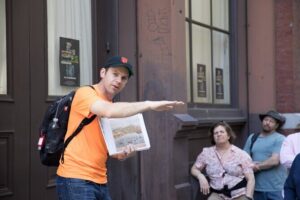
I especially like two things: the stop-by-stop focus on Harvey Milk landmarks, and the emotional punch of seeing memorials in the open air, not just reading about them later. I also like that the tour is run by local community people—many visitors single out Kathy for her humor and personal, neighborhood-level storytelling.
One possible drawback: this is a walking tour with political and memorial stops, so it can feel intense at times. If you want a totally light, party-only neighborhood stroll, you might prefer something with fewer activism themes and more purely social stops.
In This Review
- Key Highlights You’ll Really Feel
- The Castro in 2 Hours: why this tour hits the right notes
- Where to Meet for the 10:00 am Start at 400 Castro St
- Castro Theatre and neighborhood context: getting your bearings fast
- Harvey Milk Plaza: the rainbow flag story and political visibility
- The Human Rights Campaign Action Center: where advocacy became a storefront
- Memorial stops that hit hard: Pink Triangle, Honor Walk, and AIDS Quilt Names
- What you pay $40 for: value in guide time and included admissions
- Best for you if you want meaning, not just photos
- Quick tips for an easier walk (especially in Castro mornings)
- Should you book this Castro LGBTQ walking tour?
- FAQ
- How long is the San Francisco LGBTQ walking tour in the Castro?
- What does the tour cost?
- Where do we meet for the tour, and where does it end?
- What time does the tour start?
- Is the tour offered in English?
- How large is the group?
- Is the tour wheelchair accessible, and are service animals allowed?
- If I cancel, can I get a refund?
Key Highlights You’ll Really Feel
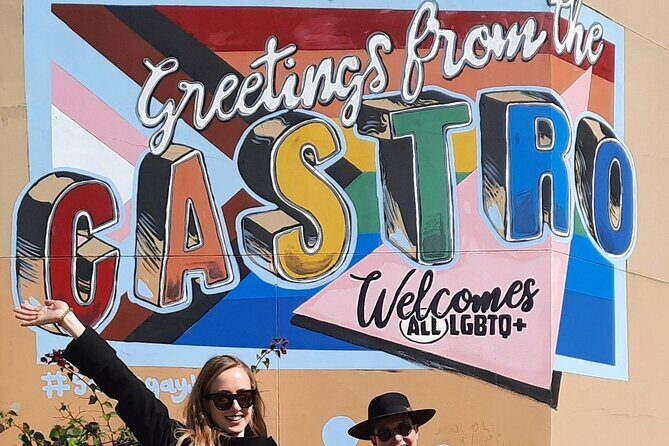
- Max of 2 travelers means the vibe is personal, not crowded.
- Harvey Milk Plaza covers his path to public office and the rainbow flag story.
- Castro Theatre brings you to a standout building tied to the neighborhood’s public face.
- Pink Triangle Memorial Park is a moving, concrete reminder of the cost of stigma.
- AIDS Quilt Names Projects original site connects the AIDS crisis to names you can’t ignore.
- Kathy’s local tone mixes history, humor, and real care for the people behind it.
The Castro in 2 Hours: why this tour hits the right notes
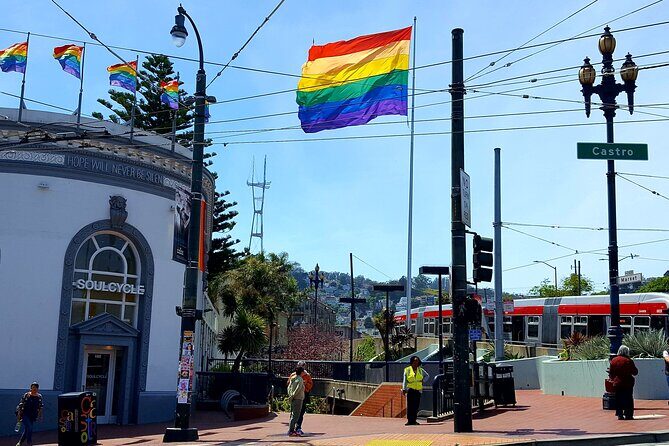
The Castro is more than a place to shop or spot pride colors. It’s a living map of LGBTQAI+ activism, where protest, grief, and progress all sit side by side on ordinary streets. This tour is built to help you connect those dots fast, without turning the neighborhood into a museum.
The pacing matters. In about two hours, you’ll see enough key locations to understand why this area became a magnet for organizing—and why it still matters in modern conversations about rights. With a small group limit, you also get room to ask questions and get context instead of just collecting photos.
If you love San Francisco because it keeps messy, complicated stories in view, you’ll probably enjoy how this tour treats the Castro as a real community, not a theme park. It’s also a strong pick if you want your trip to include meaning, not just sights.
You can also read our reviews of more walking tours in San Francisco

Where to Meet for the 10:00 am Start at 400 Castro St
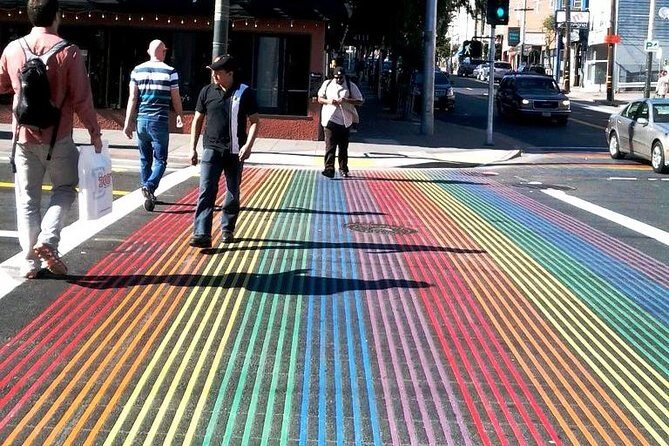
You’ll meet at 400 Castro St, San Francisco, CA 94114, and the tour ends at the same spot. The start time is 10:00 am, so plan to arrive a few minutes early, settle your shoes, and scan the blocks before you join the group.
This is a mobile-ticket experience, which is handy if you like keeping your day simple. The tour runs in English, and it’s set up so most people can participate, with public walkways described as wheelchair accessible.
Two more practical points: it’s not a long-drive event with hotel pickup, and it’s weather-dependent in the real world. The tour company indicates it operates rain or shine, but if conditions are too rough they may offer an alternative date or a full refund if it gets canceled due to poor weather.
Castro Theatre and neighborhood context: getting your bearings fast
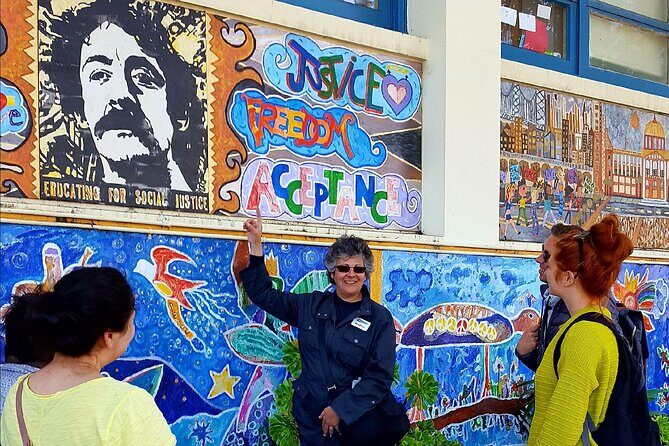
Your walk begins in the Castro itself, and the first big win is orientation. Instead of starting with facts and dates, the guide frames the neighborhood so the later memorial stops land harder. You’ll also hear how the district got its name, which helps the streets stop feeling like random scenery.
A standout early stop is the Castro Theatre, noted for its Spanish Colonial Baroque look. Even if you’re not a theater person, the building’s presence tells you a lot about the Castro’s public identity. You’re seeing how an iconic street corner can support both culture and community life.
From there, the tour keeps moving through historical sites tied to LGBTQ milestones, with particular attention on the figures and moments that shaped local organizing. You’re not just passing by; you’re learning what each place symbolizes and why it became part of the neighborhood’s political story.
A small caution: because the tour packs meaning into walking time, there’s a “listen closely” element. If you tune out for long stretches or constantly check your phone, you’ll miss some of what makes the walk special.
Harvey Milk Plaza: the rainbow flag story and political visibility
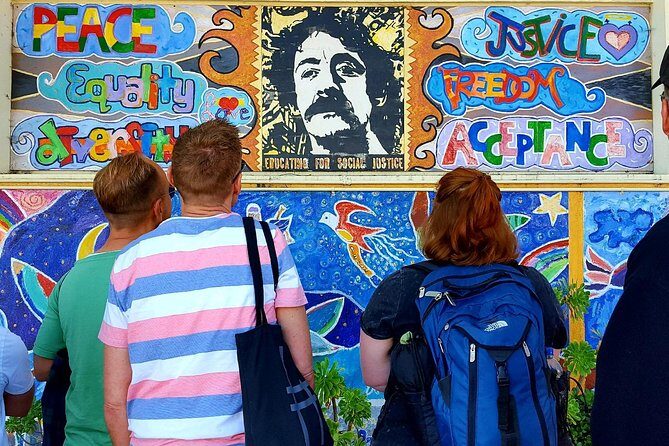
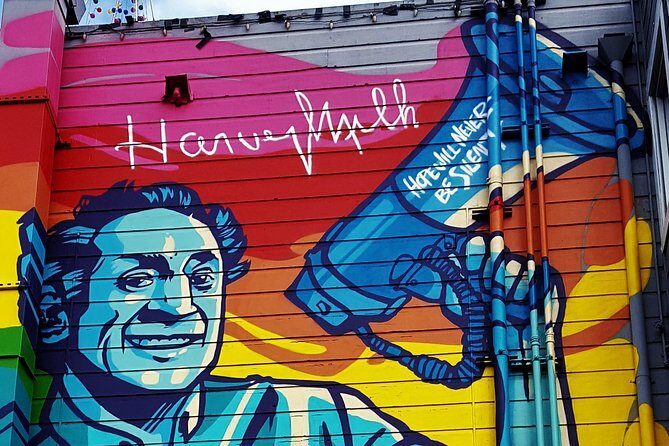
Next up is Harvey Milk Plaza, where the tour shifts into one of the most important arcs in U.S. LGBTQ political history: visibility that leads to action. You’ll learn how Harvey Milk arrived, how he became the first openly gay male politician to serve in public office in the United States, and why that mattered beyond San Francisco.
This stop also includes a story you may not know: how the rainbow flag was created. It’s one of those details that makes later pride imagery feel less like decoration and more like communication—symbols built on strategy and community consensus.
Another reason this part works well for visitors is that it gives you a framework for understanding the later memorial stops. You see that the Castro’s activism isn’t just about protesting in the moment; it’s also about building institutions, campaigns, and public understanding.
If you’re sensitive to political content, keep in mind this tour treats LGBTQ rights as a serious topic. The tone isn’t angry for show, but it does connect the past to ongoing issues affecting employment, housing, and public accommodations.
The Human Rights Campaign Action Center: where advocacy became a storefront
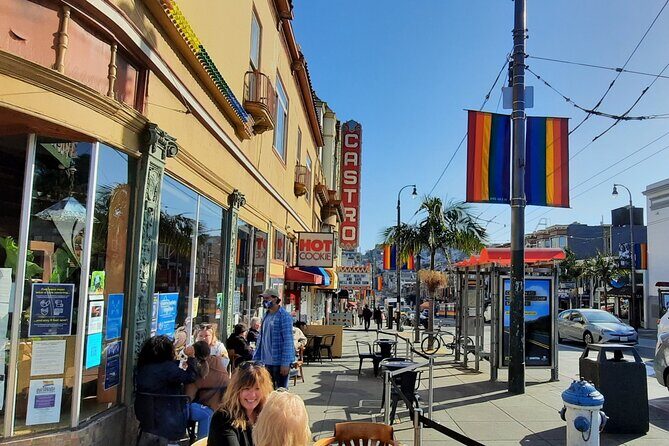
One of the most concrete, “you can stand in the doorway” stops is the Human Rights Campaign Action Center and Store. The tour ties the location to Harvey Milk’s original camera shop and campaign headquarters area—then explains how the space became home to the Human Rights Campaign Action Center and Store.
That continuity matters. It helps you understand that LGBTQ organizing didn’t only happen behind closed doors. In the Castro, the fight for rights happened in public-facing spaces—storefronts, schools, community gathering points—where people could learn, meet, and get motivated.
You’ll also get a reminder of what equal rights still means in practice. The tour highlights that LGBTQ people don’t have equal rights in areas like employment, housing, and public accommodations today. That’s a good reality check if you came hoping the Castro was only a “then vs. now” story with the hard parts already solved.
Stop length here is brief, around 10 minutes, which is smart. It keeps the walk from becoming too heavy while still giving you the key context and place-based connection.
You can also read our reviews of more guided tours in San Francisco



Memorial stops that hit hard: Pink Triangle, Honor Walk, and AIDS Quilt Names
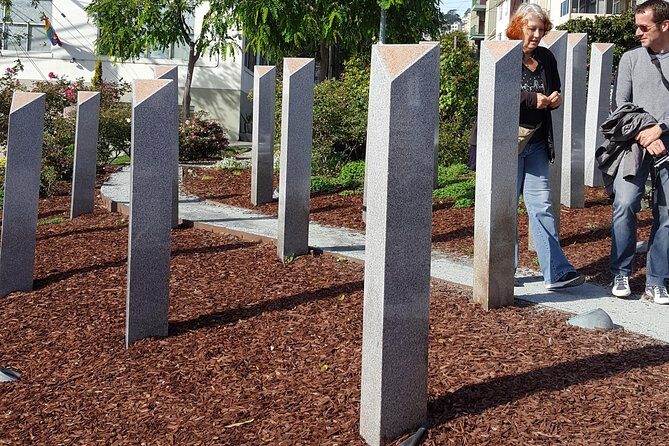
The heart of the tour for many people is seeing memorial sites in person, where symbolism becomes physical. You’ll encounter the Pink Triangle Memorial Park, the Rainbow Honor Walk, and the AIDS Quilt Names Projects original site.
These stops don’t just provide photo ops. They explain why the Castro developed such a visible memorial culture. The Pink Triangle Memorial Park grounds the story in persecution and stigma, tied directly to how communities were targeted. Seeing it on foot helps you grasp that remembrance isn’t abstract—it’s a way of keeping history from being erased.
The Rainbow Honor Walk Project adds the community side of the story: celebrating contributions and acknowledging trailblazers who helped make the neighborhood possible. This is activism with long memory—recognizing people while still pushing for what’s fair.
The AIDS Quilt Names Projects original site is the stop that tends to make people slow down. It centers names and human impact from the AIDS epidemic era. When you’re physically in the place where names are honored, the story stops being a chapter and becomes an ongoing responsibility.
The tour also links these memorials back to continued organizing and events in the district. That’s what turns a set of attractions into a meaningful sequence.
What you pay $40 for: value in guide time and included admissions
At $40.00 per person for about two hours, the price is reasonable if you want more than a quick stroll. What makes it feel like value is the combination of a dedicated local guide, tightly focused stops, and included admissions for at least some parts of the walk.
Here’s how the admissions work based on the tour details:
- One segment includes an admission ticket (Stop 1).
- Another includes an admission ticket (Stop 2).
- The Human Rights Campaign Action Center and Store stop is described as free (Stop 3).
That matters because you avoid those little surprise costs that can pile up on walking tours with multiple indoor or ticketed locations. Even better, because the group is small (maximum of 2 travelers), your guide time doesn’t get diluted across a big crowd.
Also, the tour has strong long-running credibility, run by Cruisin’ the Castro Walking Tours, which is recognized as a TripAdvisor Hall of Fame member since 2011. You don’t need to care about awards to feel the results: people consistently describe Kathy as the kind of guide who makes the neighborhood feel personal, funny, and real.
Best for you if you want meaning, not just photos
This tour fits best if you want your San Francisco day to connect culture with context. It’s a good match if you’re visiting the Castro for pride vibes but you also want to understand the hard parts—politics, AIDS-era grief and organizing, and why memorials are part of the streetscape.
It’s also a strong option for solo visitors. With a max of two travelers, the experience can feel more like a conversation than a group shuffle. Some people highlight how the guide makes everyone feel included, even when someone is on their own.
If you’re traveling with a teen or child, you’ll want to gauge attention span. The tour includes humor and pacing that can work for younger participants, but it still covers serious material. Think of it as family-friendly in structure, not necessarily light in topic.
If you’re in a hurry and only want one quick Castro stop for a photo, skip this and just walk the neighborhood on your own. But if you’re here for understanding, this is one of the most efficient ways to do it in a couple of hours.
Quick tips for an easier walk (especially in Castro mornings)
A few practical things will make your time smoother:
- Wear comfy shoes. This is a walking tour, and the stops are spread out across the neighborhood blocks.
- Bring water and a light layer. San Francisco weather can shift fast.
- Expect a respectful tone. You’ll be visiting memorials and political landmarks, so keep your voice down and your phone use minimal during the more reflective parts.
- Plan for some indoor/outdoor variety. Some stops may include building viewing moments, while others are clearly outdoors.
- If mobility is a concern, look at the route as described: public walkways are described as wheelchair accessible.
Finally, since tours run around 10:00 am, you’ll want to start your morning prepared. Grab coffee nearby, then come ready to listen.
Should you book this Castro LGBTQ walking tour?
If you want a focused San Francisco LGBTQ walking tour that connects Castro icons—Harvey Milk, rainbow symbolism, AIDS memorials—with the ongoing fight for rights, then yes, this is a smart booking. At $40 for about two hours, you’re paying for a local guide’s time and for the tour’s structured sequence of meaningful stops, including admissions for some parts.
I’d say book it when you have room for reflection as well as photos. You’ll get a clearer picture of why the Castro became a center for activism, and why it still shapes the city’s LGBTQ identity today.
Skip it only if you’re chasing a purely social neighborhood wander and you don’t want political or memorial content. For everyone else, the small-group format and Kathy’s on-the-ground storytelling style make it a standout way to spend a morning in the Castro.
FAQ
How long is the San Francisco LGBTQ walking tour in the Castro?
It runs for about 2 hours.
What does the tour cost?
The price is $40.00 per person.
Where do we meet for the tour, and where does it end?
You meet at and the tour ends at 400 Castro St, San Francisco, CA 94114.
What time does the tour start?
The start time is 10:00 am.
Is the tour offered in English?
Yes, it is offered in English.
How large is the group?
The experience has a maximum of 2 travelers.
Is the tour wheelchair accessible, and are service animals allowed?
Public walkways are described as wheelchair accessible, and service animals are allowed.
If I cancel, can I get a refund?
No. The experience is listed as non-refundable and cannot be changed for any reason.