REVIEW · SAN FRANCISCO
San Francisco: Chinatown Culinary Walking Tour
Book on GetYourGuide →Operated by Local Tastes of the City Tours · Bookable on GetYourGuide
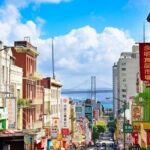
Chinatown can feel like sensory overload in the best way. This 3-hour culinary walking tour turns the maze of alleys off Grant Avenue and Stockton Street into a guided, bite-by-bite story you can actually follow. I love the way you get both flavor and context, with tastings happening alongside the real sights, sounds, and shopfront details that make this area work.
Two things I really like: you get a serious tea and herb education from people selling the stuff every day, and you also get to taste classic Chinese comfort food like dim sum at a long-running bakery in the city. One consideration: this tour moves at a quick walking pace, and the portions add up fast, so come prepared.
In This Review
- Key Moments I’d Prioritize
- Meeting at the Chinatown Gate: How the Tour Starts Right
- What You’ll Eat and Drink (And Why the Portions Matter)
- The specific types of food you can expect
- Dietary needs: ask, and you’ll likely be cared for
- The Tea Lesson You’ll Actually Use Back Home
- Fortune Cookies and Handmade Craft: The Stop That Feels Like a Show
- Alleywalking Through Chinatown: Produce, Pottery, Antiques, and Everyday Weirdness
- Dim Sum at the Old Bakery: Why This Stop Works
- Temple and Cathedral Time: Not Just Food, Also Place
- Pace, Group Size, and What to Wear
- What to wear
- Price Value Check: Is $84 Worth It?
- Who This Tour Is Best For
- Should You Book San Francisco’s Chinatown Culinary Walking Tour?
- FAQ
- Where is the meeting point?
- How long is the tour?
- What’s included in the price?
- Do I need to eat before the tour?
- What kinds of food and drinks will I taste?
- Is there free cancellation and a pay-later option?
Key Moments I’d Prioritize
- Tea and herb instruction from local vendors, not just a quick sample
- Fortune cookies made by hand, plus how the tradition connects to the shops around you
- Dim sum tasting at the oldest Chinese bakery in San Francisco
- Street-to-shop browsing for produce, crafts, pottery, and even cookware
- Temple and cathedral time, so it’s not only food and shopping
- Guides with strong follow-through, including named guides like Andres, Scott, Cynthia, Brian, and Isabella
Meeting at the Chinatown Gate: How the Tour Starts Right
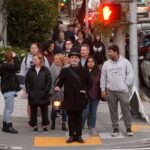
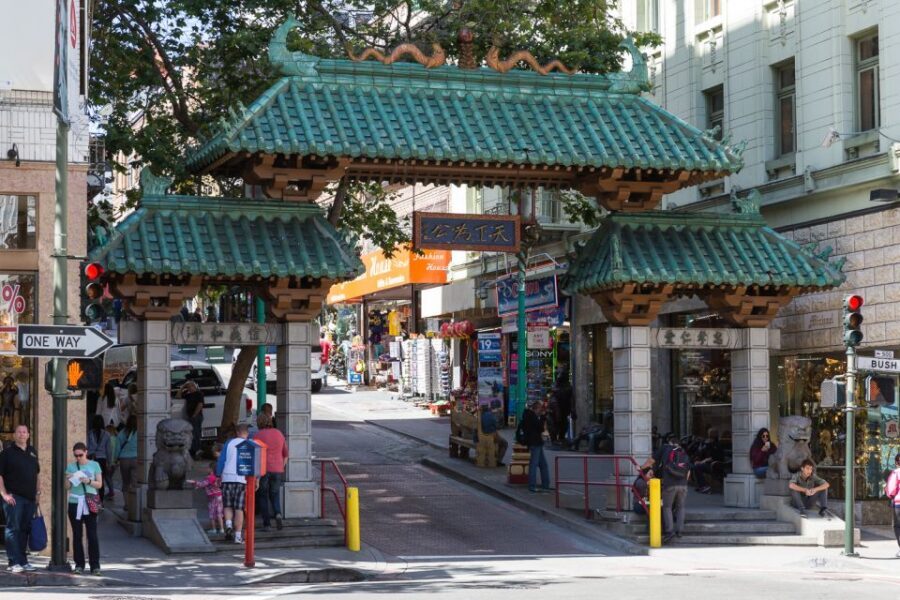
You begin at the Chinatown Gate, on the corner of Bush and Grant streets. That’s a smart first move. It puts you at the symbolic entrance, then you immediately walk into the real grid of Chinatown’s side streets where the real action happens.
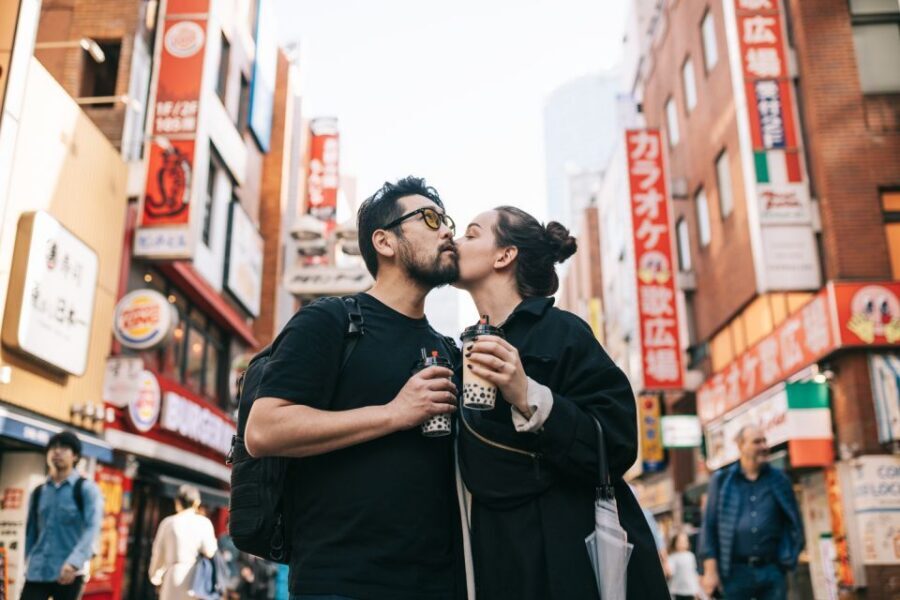
From the first moments, the format is clear: this isn’t a bus tour with photos at stops. It’s a guided walk where you’re meant to notice details. You’ll pick up on the rhythm of the neighborhood through the storefronts, the market energy, and the smells drifting from kitchens and tea counters.
And yes, shoes matter. Comfortable walking shoes are the right call because you’re doing a lot of ground in 3 hours.
You can also read our reviews of more walking tours in San Francisco
What You’ll Eat and Drink (And Why the Portions Matter)
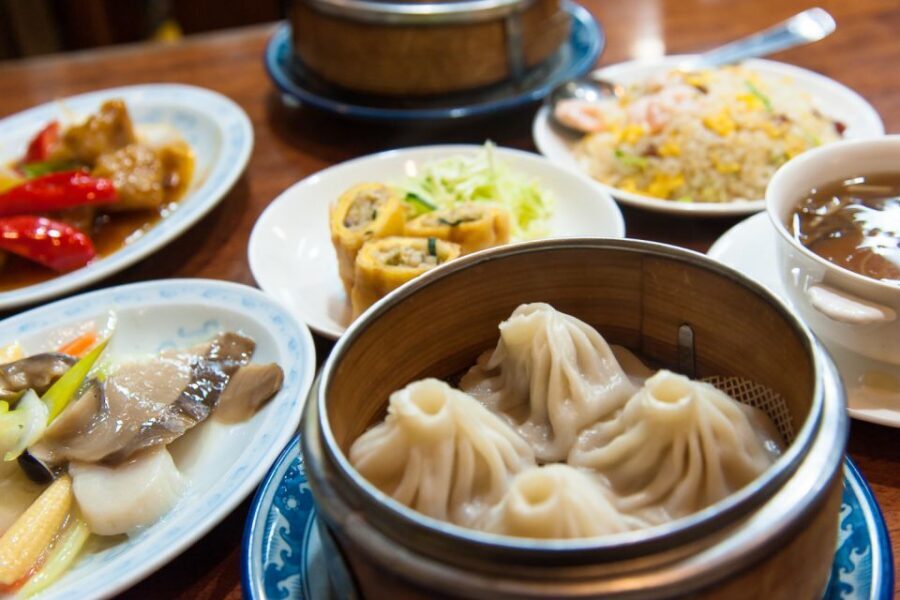
The price is $84 per person, and the key value is that all food and drink tastings are included. For a neighborhood food tour, that matters. You’re not paying separately for every sample, and you’re not stuck guessing whether each stop is worth it. The tastings are the reason this works.
Also, you’ll almost certainly be eating more than you think at the start. The tour explicitly advises not to eat too much before you go, and that advice is spot on. Guides build the experience around “enough bites to learn,” not tiny samples. If you arrive hungry, you’ll enjoy it. If you arrive full, you’ll feel like you’re rushing your own meal.
The specific types of food you can expect
The menu isn’t listed as a fixed checklist, but the experience is consistent in what it emphasizes:
- Dim sum at the oldest Chinese bakery in the city
- Tea tasting, with multiple varieties explained (and samples served)
- Fortune cookie related moments, including watching cookies made by hand
- Classic Chinatown sweets and snack-style bites, with examples like moon cake and other pastries and rolls
Some groups also report sitting down for two meals during the walk. That tells you the tour isn’t only standing-and-snacking. It’s structured enough to slow down when the best food demands it.
Dietary needs: ask, and you’ll likely be cared for
A big theme from the guide feedback is attention to food preferences and restrictions. People mention experiences with gluten-free needs, vegetarian, and no pork options. That doesn’t mean every stop will perfectly match every restriction, but it does mean this tour is set up to handle real-world needs. If you have a restriction, tell the organizer ahead of time and mention it again when you meet your guide.
The Tea Lesson You’ll Actually Use Back Home
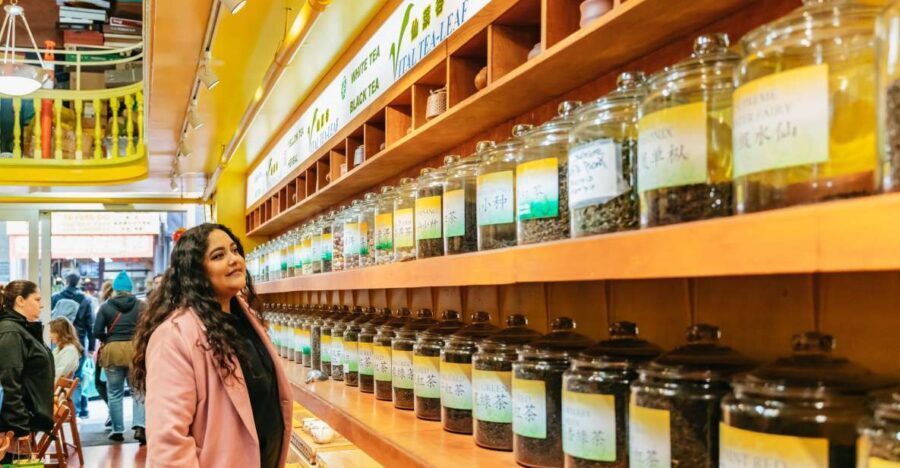
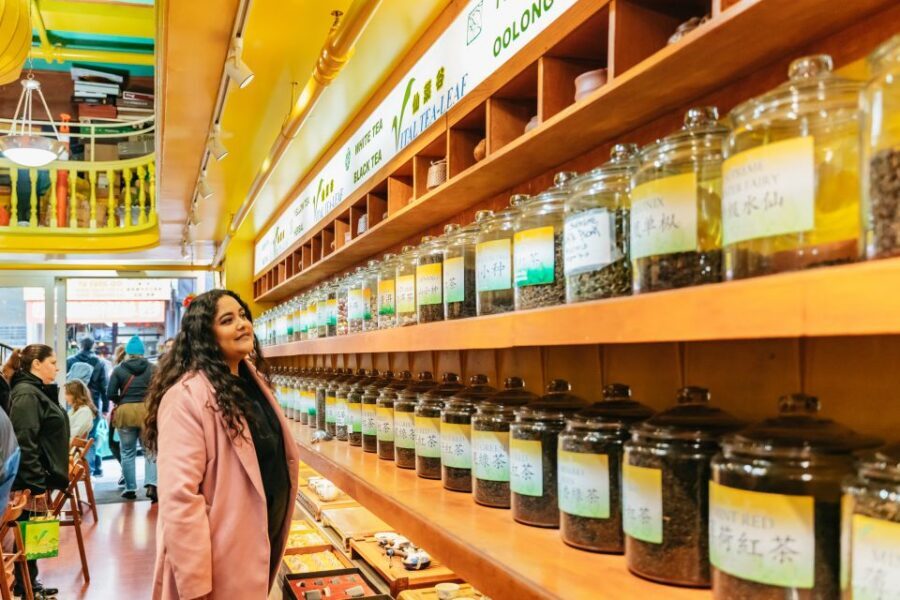
One of the most praised parts is the tea and herb education. You’re not just tasting something sweet. You’re learning how vendors think about tea varieties, aromatics, and herbs as ingredients with purpose.
This is one of those experiences where the guide’s role is obvious. Chinatown stores can be confusing if you’re browsing on your own. On this tour, the guide connects what you see on shelves to what you taste in the cup. You learn why certain herbs get used the way they do, and you start noticing details in packaging, names, and smells that you’d otherwise ignore.
A tour led by guides like Scott and Cynthia stands out in the comments for making explanations clear and detailed. Isabella gets extra credit for turning the tea moment into something memorable, not just a quick stop. If tea isn’t your hobby yet, you’ll probably leave with one or two favorites you can reproduce at home.


Fortune Cookies and Handmade Craft: The Stop That Feels Like a Show
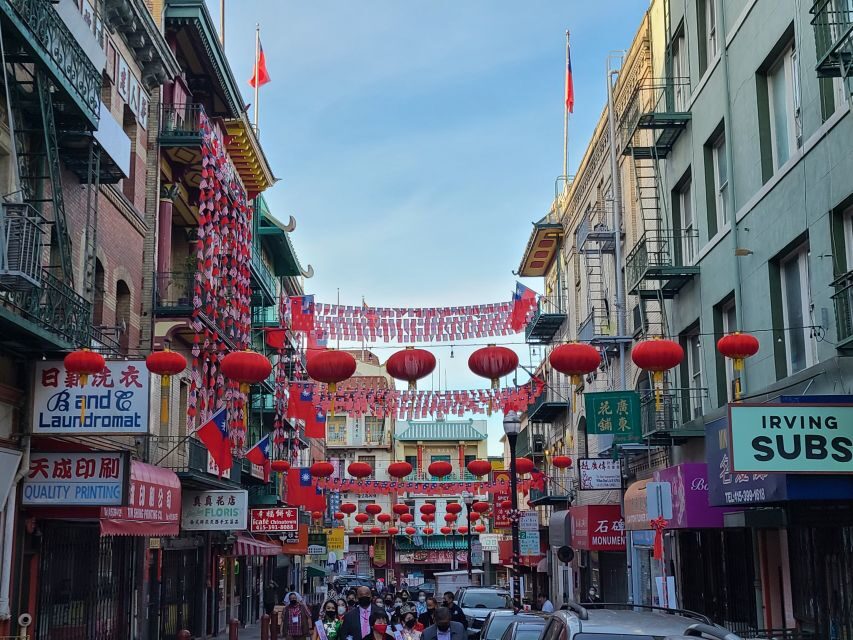
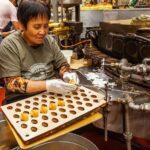
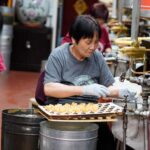
You’ll watch artisans make fortune cookies by hand. That detail sounds small until you see it, because it turns a novelty item into a real piece of shop culture.
Here’s what makes it meaningful: fortune cookies show how Chinatown blends tradition, commerce, and a tourist-friendly ritual without losing the local craft side. It’s not just a branded souvenir moment. It’s a production process you can see, and it fits perfectly into the tour’s theme of “how things are made.”
You’ll also get a sense of the wider craft world around you, including pottery and other goods that reflect long-established techniques used by local makers and shops.
Alleywalking Through Chinatown: Produce, Pottery, Antiques, and Everyday Weirdness
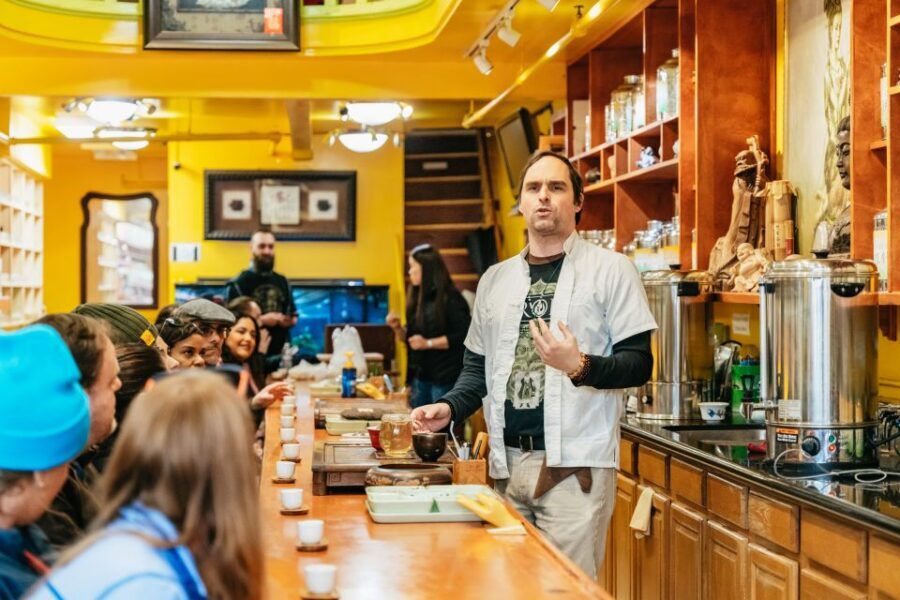
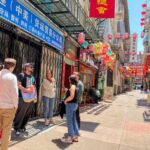
A big draw is the walk itself. The tour is designed around the maze-like layout of alleys off Grant Avenue and Stockton Street. That matters because Chinatown isn’t meant to be understood from one main road. The vibe changes every few steps.
Along the way, you’ll peruse:
- Markets and food stalls with exotic produce and goods
- Shops with authentic cookware and other kitchen tools
- Places featuring crafts, pottery, and older religious or ritual items you might not know how to interpret on your own
Some people love this part because it gives you a reason to look closely. You’re not just buying souvenirs. You’re learning what to ask about, what materials matter, and how shopkeepers categorize their wares.
There’s also an “only locals know this” feeling. One of the most common compliments is that the guide takes you to spots you wouldn’t naturally find, and you end up understanding the neighborhood better.
Dim Sum at the Old Bakery: Why This Stop Works
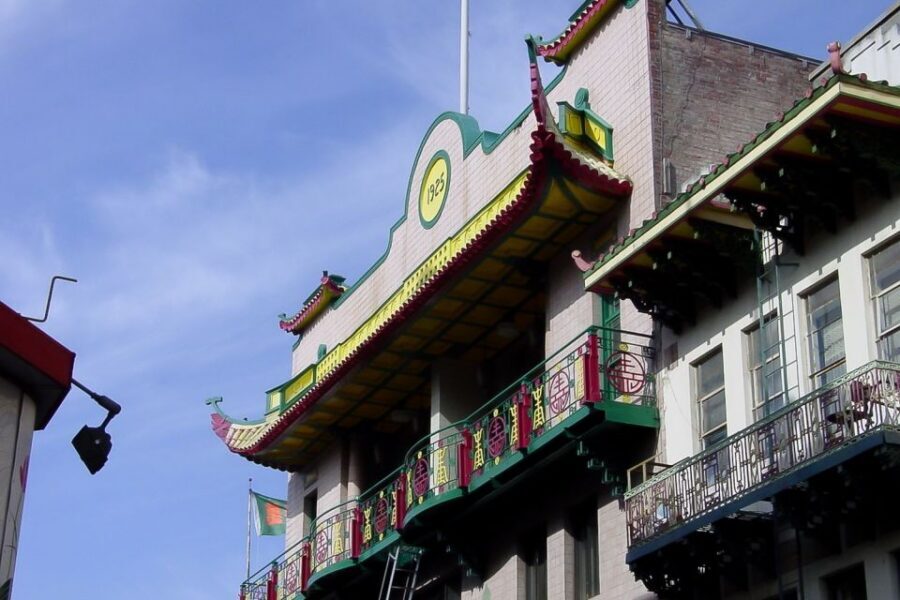
The dim sum stop is the anchor. The tour includes dim sum at the oldest Chinese bakery in San Francisco, which gives the meal more weight than a random restaurant pick.
Dim sum in a place with that kind of local longevity has two benefits:
- The food is likely to be consistent and practiced, not experimental.
- The act of eating becomes part of the neighborhood story, not just a snack break.
It also helps you experience Chinatown from inside the food culture rather than outside looking in. Even if you’ve eaten dim sum before, you’ll probably learn something about how it’s served, why it’s ordered, and how it connects to the shop ecosystem around it.
Temple and Cathedral Time: Not Just Food, Also Place
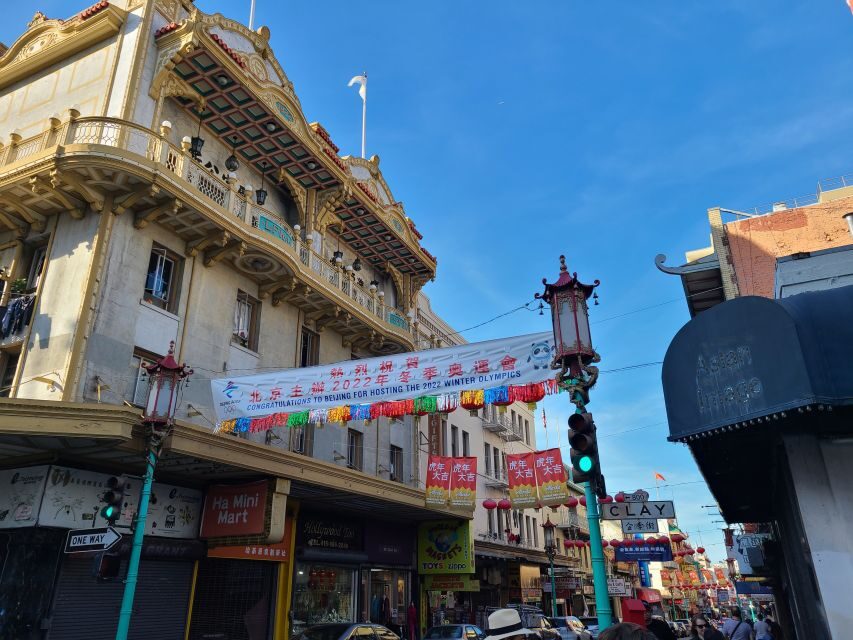
This tour isn’t only about eating. You’ll also head to one of the city’s oldest cathedrals and take a look inside a Buddhist temple.
One guide-specific note: people mention that Isabella helped them find a 4th floor Buddhist temple. That’s the kind of detail that explains why you’d do a guided tour here. Chinatown hides layers vertically and spiritually, not just horizontally.
So why include this? Because it adds context. Chinatown isn’t a museum set. It’s a living neighborhood with community institutions. Seeing sacred spaces makes the food stops feel more grounded, especially when you realize how many shops exist alongside temples and historical buildings.
Pace, Group Size, and What to Wear
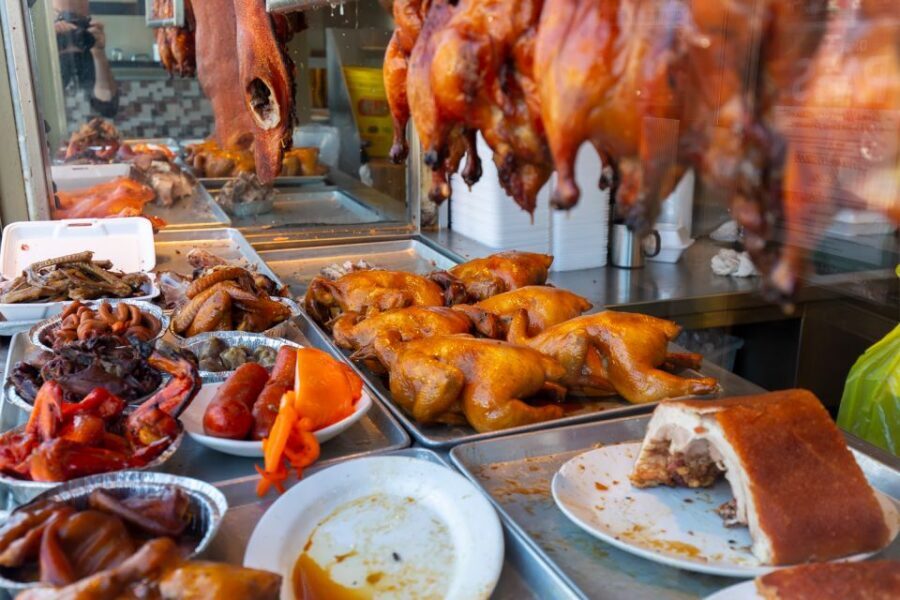
Most feedback points to a tour that covers a lot of ground in 3 hours. That’s good if you like momentum. It can be less fun if you need slow walking or frequent pauses for photos.
If you’re sensitive to pace, build in a buffer by wearing shoes that handle uneven sidewalks and having your water plan ready. The tour includes lots of tastings, so you usually won’t be desperate for snacks mid-way—but you also don’t want to feel wiped out.
What to wear
- Comfortable shoes are the big one
- Light layers help because Chinatown streets can vary in sun, fog, and wind
- If you’re carrying a day bag, keep it simple. You’ll have both food and small purchases along the route.
Price Value Check: Is $84 Worth It?
For $84, you’re paying for three things at once: guided storytelling, a walking route that saves you from decision fatigue, and multiple tastings spread across specialty stops.
If you compare it to doing Chinatown food on your own, you run into two common problems:
- You don’t know which shops are worth your time, especially for tea and herbs.
- You end up paying for a meal plus drinks, and the total climbs fast.
This tour bundles the learning and the eating into one ticket. And the repeated praise for “way more food than expected” is a consistent signal that you’re not just buying a guide’s opinions. You’re buying a structured tasting plan.
Who This Tour Is Best For
I think this fits especially well if you:
- Want the Chinatown highlights without spending days researching
- Like food tours that also teach you how ingredients and traditions connect
- Enjoy markets, shops, and craft details, not only restaurant seats
- Are traveling solo or in a small group and want a shared, social food experience
It’s also a strong pick for first-timers to San Francisco. Chinatown is easier when someone helps you interpret what you’re seeing.
If you want a relaxed, slow stroll with long sit-down time at every stop, you might find the walking pace a little fast. But if you’re in the mood for a concentrated half-day of food, tea, and neighborhood discovery, it’s a great match.
Should You Book San Francisco’s Chinatown Culinary Walking Tour?
Yes, I’d book it if you want a guided version of Chinatown that actually pays off—meaning you get tastings, tea explanations, craft moments, and even temple time, all in one efficient 3-hour window.
I’d skip it only if you know you can’t handle a quick walking pace or you prefer ordering full meals in restaurants with no walking between stops. Otherwise, meet at the Chinatown Gate, come hungry, wear solid shoes, and let the guide turn all those alleyways into something you can understand in real time.
FAQ
Where is the meeting point?
Meet in front of the Chinatown Gate at the corner of Bush and Grant streets.
How long is the tour?
The duration is 3 hours.
What’s included in the price?
The tour includes the walking tour, a live English guide, and all food and drink tastings.
Do I need to eat before the tour?
Try not to eat too much beforehand. The tour portions are ample.
What kinds of food and drinks will I taste?
You’ll sample Chinese specialties including dim sum at the oldest Chinese bakery in the city, plus fortune cookies and an aromatic tea tasting.
Is there free cancellation and a pay-later option?
Yes. You can cancel up to 24 hours in advance for a full refund, and there is a reserve now & pay later option where you pay nothing today.