REVIEW · SAN FRANCISCO
San Francisco: Half-Day Tour by Cable Car & Foot
Book on GetYourGuide →Operated by Real San Francisco Tours · Bookable on GetYourGuide
Cable cars make San Francisco feel like a movie. I love the built-in rhythm of the cable car rides because they instantly teach you how the city moves and why it’s so iconic. I also like how the guide connects stops to real neighborhood stories as you walk hills, then roll on to the Castro and the Mission. One consideration: it’s not an easy, flat walk—expect steps and climbs, so plan for hills before you book.
You’re out for about four hours, starting near the Embarcadero and ending in Haight-Ashbury at lunch time. The value is strong for the price because you’re not just sightseeing from the sidewalk—you get guided time, multiple transit modes, and entry to City Hall when it’s open.
In This Review
- Key things I’d circle before you go
- Cable cars plus smart routing: how this tour works
- Meeting on the Embarcadero: start early or miss the ride
- First cable car ride to Nob Hill: Gold Rush mansions and big-city scale
- City Hall time (and the weekend museum swap)
- Hayes Valley by foot: a neighborhood pause between big landmarks
- Historic streetcar to the Castro: why this neighborhood matters
- Mission District + Mission Dolores Park: SF’s origins in one guided block
- Bus to Haight-Ashbury: murals, Summer of Love energy, then lunch
- Price and value: is $100 worth four hours?
- Transit reliability: plan for operating days, not perfect conditions
- Pace and comfort: hills, steps, and who will enjoy it most
- The bottom line: should you book it?
- FAQ
- What is the duration of this San Francisco tour?
- Where do I meet the guide?
- Where does the tour end?
- How many cable car rides are included?
- Is there a historic streetcar included?
- Will I go inside City Hall?
- Is the Cable Car Museum included?
- What should I bring?
- Is the tour suitable for children?
- Is free cancellation available?
Key things I’d circle before you go
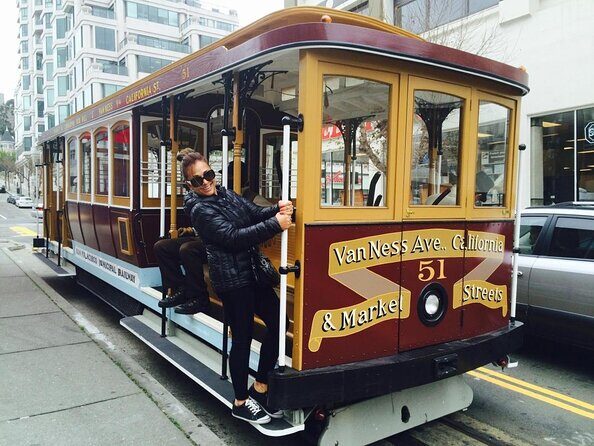
- Two cable car rides (when operations allow) that actually show you SF’s motion and views
- City Hall inside access on Monday to Friday, or the Cable Car Museum on weekends
- Historic streetcar to the Castro for LGBTQ+ neighborhood context
- Mission Dolores Park + Mission District with the area explained as a founding chapter
- Haight-Ashbury murals and Summer of Love area talk, timed for lunch
Cable cars plus smart routing: how this tour works
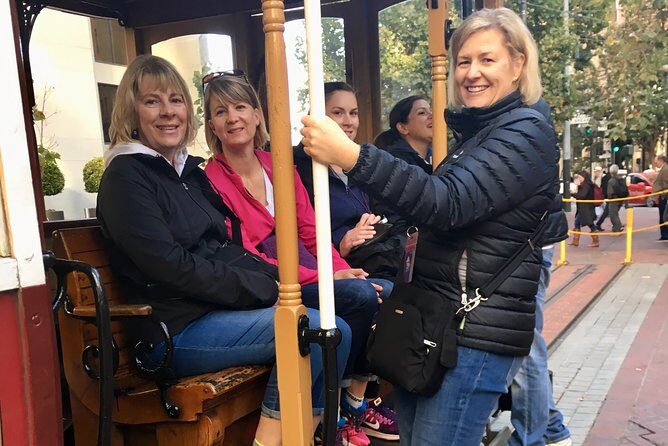
This is a half-day that focuses on transit as part of the story, not just transportation. You ride historic tech, then switch to walking and transit again so you see more than you could comfortably on your own in a short window.
The routing also makes sense for first-timers. Nob Hill gives you that Gold Rush mansion view, City Hall grounds you in civic SF, the Castro adds modern cultural history, and the Mission shows you a different side of the city’s origins. Finally, you slide into Haight-Ashbury so the tour ends where it’s easy to grab lunch and keep exploring.
You can also read our reviews of more tours and experiences in San Francisco


Meeting on the Embarcadero: start early or miss the ride
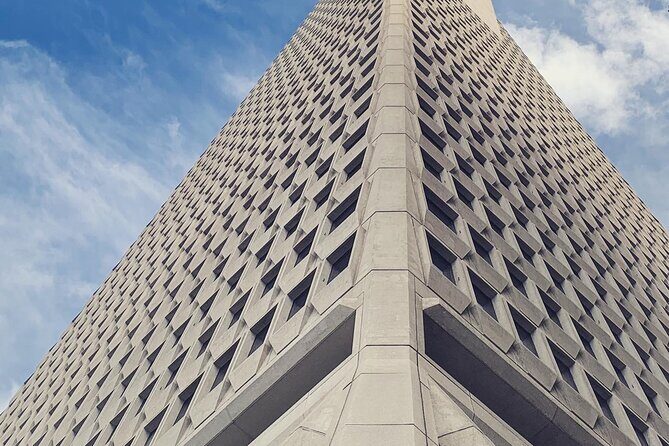
Meet your guide at the CALIFORNIA LINE CABLE CAR STATION on the Embarcadero, by the Robert Frost plaque. Show up 10 to 15 minutes early because if you’re late, you’ll miss the tour. The meeting point is downtown and easy to reach if you’re already staying in the city center.
Bring thermal clothing. SF mornings and breezes can change fast, and you’ll be outside for guided segments and between vehicles. Also note the tour does not allow baby strollers or baby carriages, so if you’re traveling with a child in that way, you’ll need an alternative plan.
First cable car ride to Nob Hill: Gold Rush mansions and big-city scale
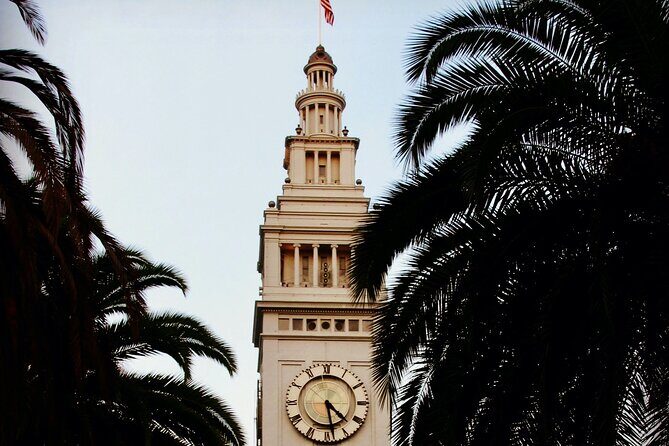
Your day starts with a cable car ride from the Embarcadero area. Even before you get deep into the history, I love the quick orientation you get: you see streets, grades, and neighborhoods line up in a way that’s hard to understand from flat maps.
From there you focus on Nob Hill, a place that still feels like SF’s old money era. The guide walks you through what made the neighborhood powerful in the Gold Rush years and why the geography matters—these hills aren’t just scenery; they’re part of the story. You’ll get the kind of overview that makes later neighborhoods make more sense, not less.
A practical note: cable car rides and time on foot mean you should be ready to move with the group and follow your guide’s timing closely.
City Hall time (and the weekend museum swap)
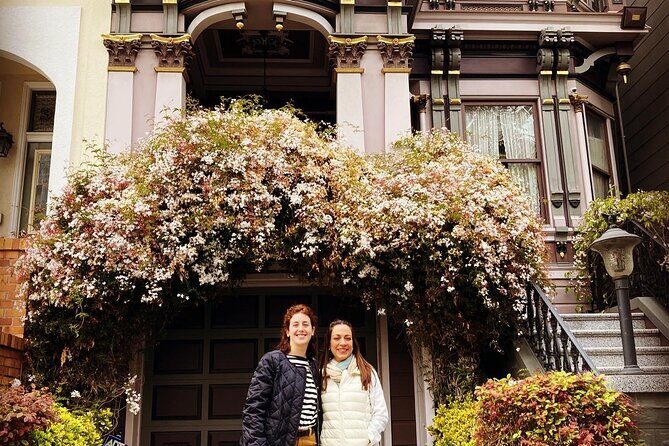
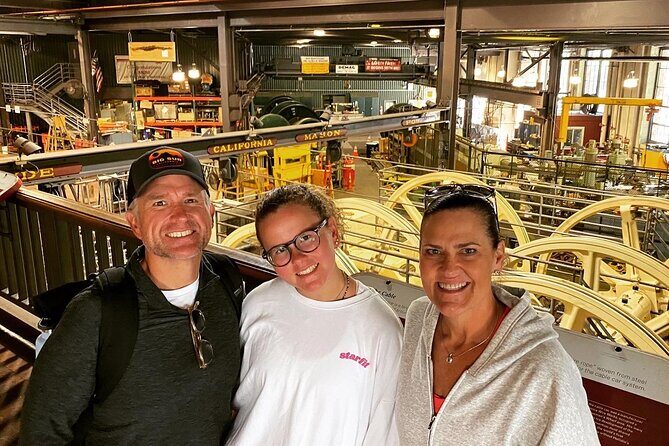
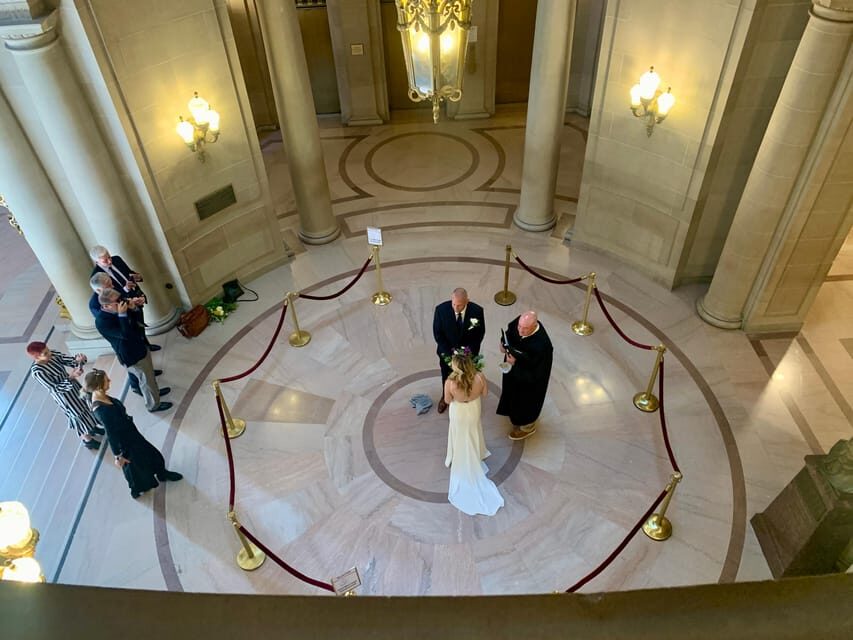
After Nob Hill, you ride again and end up at San Francisco City Hall when it’s available. This is one of the tour’s best “only on a tour” perks because going inside a major civic building adds context you won’t get from the outside.
On weekends, you’ll visit the Cable Car Museum instead. That substitution is smart: it keeps the day focused on the city’s iconic transit story even when City Hall access isn’t possible.
If you care about how places feel different when you see how they were built and run, you’ll appreciate this part. It’s short, but it anchors the tour in real SF systems—government and the vehicles that define street life.
Hayes Valley by foot: a neighborhood pause between big landmarks

You’ll get a guided walk through Hayes Valley, timed as a breather between major transit moments. This is the kind of neighborhood segment that helps you read SF like a local rather than a checklist.
Even with limited time, Hayes Valley works because it’s close to other sights, yet it gives you variety in architecture and street rhythm. The guide’s job here is to keep the story moving, not to turn it into a slow museum pace, and the timing (about half an hour) keeps it from dragging.
If you’re the type who likes photos, this stop also gives you streets and storefront lines without requiring another major climb right away.





Historic streetcar to the Castro: why this neighborhood matters
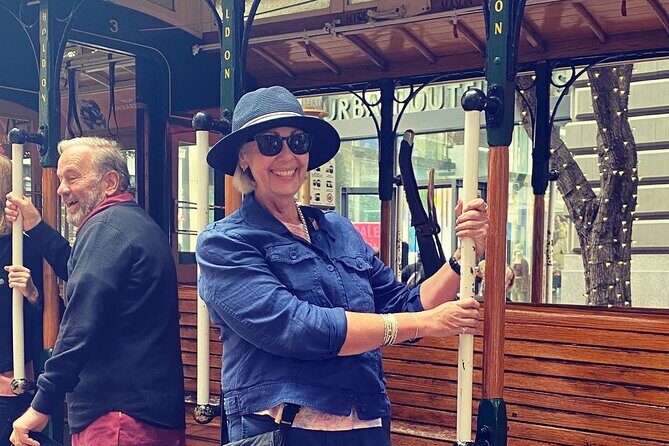
Next comes the tram or streetcar segment—your chance to ride historic SF transit again. Then you reach the Castro, and this is where the tour’s “story” side turns real-world.
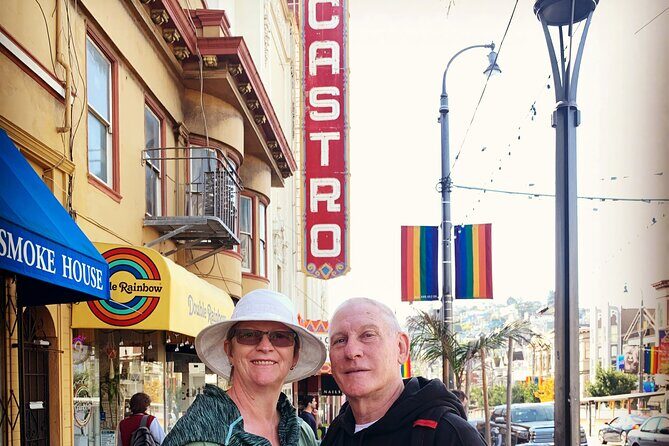
The guide explains the neighborhood’s role in LGBTQ+ history, which makes the Castro feel more than just an entertainment district. Walking with context changes how you look at streets: you start noticing why certain areas became gathering places and how community identity shaped what you see.
You’ll get guided time here (about half an hour), and it’s paced so you can look around without feeling rushed. If you’re visiting for the first time and want a respectful, grounded introduction to the Castro, this stop is a highlight.
Mission District + Mission Dolores Park: SF’s origins in one guided block
From the Castro area, the tour shifts toward the Mission District and includes time near Mission Dolores Park. This part is valuable because the Mission is often mentioned, but the tour gives you a clearer sense of why it matters.
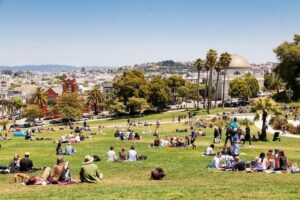
You’ll learn about the Mission as a key birthplace chapter for San Francisco and then step into a nice open-space area where the city’s view and street energy feel balanced. Mission Dolores Park is the kind of place where it’s easy to pause for photos and take a breath during a morning of rides and hills.
The Mission guided segment (about half an hour) is also a smart contrast to the Castro. You’re moving between neighborhoods that represent different eras and different kinds of community life. That contrast makes the tour feel like a real cross-section, not a set of unrelated stops.
Bus to Haight-Ashbury: murals, Summer of Love energy, then lunch
After the Mission, the tour takes a short bus or coach ride to Haight-Ashbury. I like this switch because it prevents the day from turning into pure stair wrestling. It also keeps the afternoon feeling fresh so you can still enjoy Haight-Ashbury when you arrive.
Once there, you get a guided neighborhood walk (about half an hour) focused on murals and the area’s association with the hippie generation and the Summer of Love. The point isn’t to force a single viewpoint—it’s to help you recognize why Haight-Ashbury looks the way it does and why the name carries weight in SF lore.
The tour ends at Haight-Ashbury at the right time for lunch. That timing is practical: you’re not scrambling to find food at the very end while tired. You can continue on at your own pace, whether that means sitting down nearby or extending your walking loop.
Price and value: is $100 worth four hours?
At $100 per person, this tour isn’t the cheapest way to see San Francisco. But it’s also not just a sightseeing walk.
Here’s why the price can feel fair:
- You get multiple historic rides: two cable car rides if operations allow, plus a trip on a historic streetcar if possible
- You receive guided time at several major neighborhoods, not just “here’s a street, good luck”
- You may include City Hall inside access on Monday to Friday or the Cable Car Museum on weekends
- Your cost includes metro travel between stops
- The provider donates $1 per guest to Climate Cents, which is a small detail but still a real contribution
Where it might not be ideal: if you already plan to spend the day doing cable cars on your own with minimal walking, or if you’re traveling with limited mobility and you’re counting on a low-effort itinerary, the match is weaker. This tour is built around moving through SF’s real grades and old transit lines.
Transit reliability: plan for operating days, not perfect conditions
Cable cars and historic streetcars can be affected by events and technical issues beyond anyone’s control. This matters because the tour’s best moments depend on transit running.
What I suggest: treat this as a guided, city-experience tour rather than a guaranteed exact ride count. The tour states two cable car rides and one streetcar trip are included if possible, so your best mindset is flexible.
That flexibility is especially important on SF transit days with crowds, disruptions, or special happenings.
Pace and comfort: hills, steps, and who will enjoy it most
This is a walking tour with reasonable pace but you will climb several hills and navigate steps. If you have low fitness, you’ll feel it. If you use mobility aids, it’s not suitable for wheelchair users or people with mobility impairments, and baby strollers or baby carriages aren’t allowed.
It also isn’t recommended for children under 15. If you’re traveling as a family and want a first SF experience, I’d look for a different option that fits your group’s mobility and attention span.
For the right traveler—adults who can handle hills, like transit, and want a guided “story route”—this tour is a solid way to get oriented fast.
The bottom line: should you book it?
I’d book this tour if you want a short, guided San Francisco snapshot that actually uses the city’s signature transit. The cable cars, the historic civic stop at City Hall (or museum swap), and the guided context in the Castro and Mission are the kind of details you remember later.
I would skip it if your day can’t handle hills and steps, or if you need a wheelchair-accessible route. And if you’re expecting lunch to be included, you should plan your own stop in Haight-Ashbury since lunch/snacks aren’t part of the tour.
If you like transit history and want your neighborhoods connected by a logical route, this half-day is a strong value choice.
FAQ
What is the duration of this San Francisco tour?
The tour lasts about 4 hours.
Where do I meet the guide?
Meet at the CALIFORNIA LINE CABLE CAR STATION on the Embarcadero, by the Robert Frost plaque.
Where does the tour end?
The tour finishes in Haight-Ashbury.
How many cable car rides are included?
You get 2 cable car rides if possible.
Is there a historic streetcar included?
Yes. The tour includes 1 trip on the historic streetcar if possible.
Will I go inside City Hall?
City Hall is included Monday to Friday, if possible.
Is the Cable Car Museum included?
The Cable Car Museum is included on weekends.
What should I bring?
Bring thermal clothing.
Is the tour suitable for children?
It’s not recommended for children under 15 years old.
Is free cancellation available?
Yes. You can cancel up to 24 hours in advance for a full refund.