REVIEW · SAN FRANCISCO
Mission District Food Tour
Book on Viator →Operated by Sidewalk Food Tours · Bookable on Viator
Hungry for the Mission in three hours? This San Francisco walking tour strings together classic neighborhood flavors with a guide who ties food to what makes the Mission tick.
I love the variety of tastings across Mexican, Venezuelan, Argentine, and French-style baking. I also love that you get a city map so the meal doesn’t end when the tour does.
One thing to consider: the tour is built for momentum, so if you prefer a slower pace, you’ll want to keep an eye on the group and plan to move with it.
In This Review
- Key takeaways before you go
- Mission District on Foot: timing, group size, and what you’ll actually do
- The route starts at 826 Valencia: how the meal is paced
- Stop 1 at Valencia: Craftsman & Wolves and the Rebel Within Muffin
- Stop 2 at Taqueria Cancun: tacos built on fresh ingredients
- Stop 3 at Arepas Latin Cuisine: Venezuelan food that feels like comfort
- Stop 4 at Venga Empanadas: baked, hand-made, and vegetarian-friendly
- Stop 5 at Tartine Bakery: the skip-the-line finish
- The $99 question: is this good value?
- Culture + history: what the guide adds (and what to expect)
- Who should book this Mission food tour?
- Practical tips so you enjoy every stop
- Should you book this Mission District Food Tour?
Key takeaways before you go
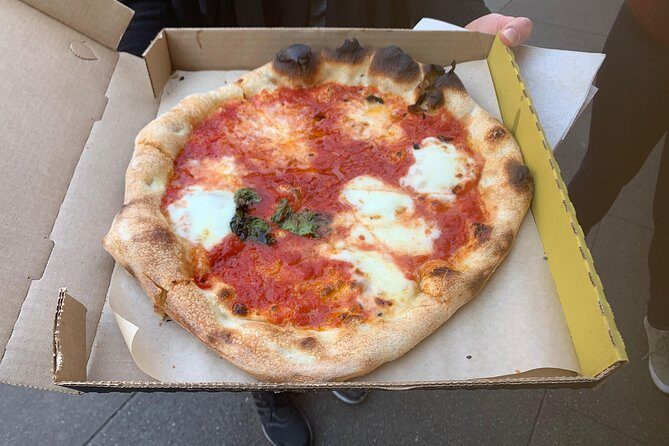
- Five tasting stops that cover several Latin American food traditions, plus Tartine Bakery
- Small group size (maximum 14) that makes it easier to ask questions
- Lunch included with food tastings as part of the $99 price
- English guide with neighborhood culture context, not just food talk
- End point at 600 Guerrero St so you’ll finish slightly away from where you started
Mission District on Foot: timing, group size, and what you’ll actually do
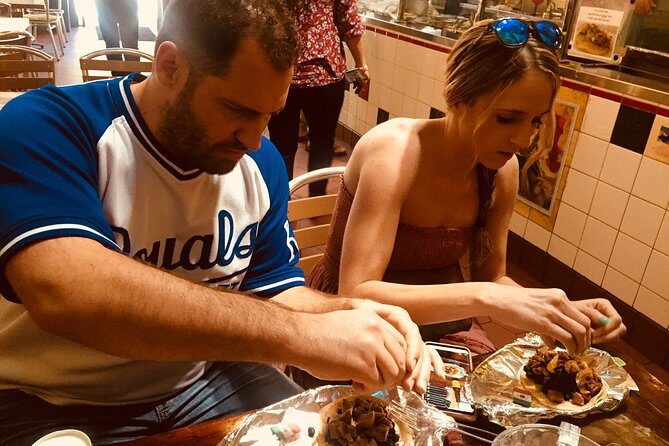
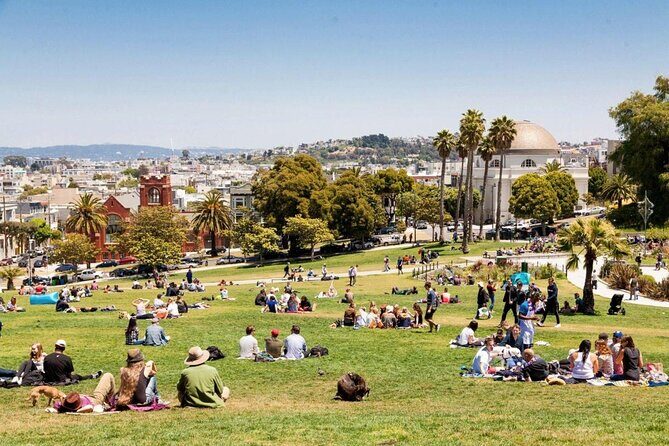
This is a 3-hour walking food experience starting at 11:00 am. Your start point is 826 Valencia St and you finish at 600 Guerrero St, so you’re not bouncing around the city by car. It’s designed as an on-foot loop through the Mission’s food scene.
You’ll be with a small group: up to 14 travelers. That matters because it keeps the tour from feeling like a long line of strangers—especially at smaller places where you’ll be gathering for tastings. You also get a mobile ticket, which is the sort of detail that sounds minor until you’re standing on a busy sidewalk.
The tour language is English, and a local guide leads the whole thing. Most people can participate, and there’s also a note that service animals are allowed. If you’re thinking about where you’ll be eating and walking, the biggest practical tip is simple: wear comfortable shoes. You’ll be on your feet long enough that blisters would ruin the dessert part.
You can also read our reviews of more food & drink experiences in San Francisco

The route starts at 826 Valencia: how the meal is paced
The meal sequence is clever: it starts with a bakery-style bite, then moves through savory stops, then lands on pastries again. That rhythm means you don’t get stuck in one flavor lane the whole time.
The tour includes food tastings at local restaurants and shops, plus lunch as part of the package. So you’re not paying to watch other people eat while you pretend you’re fine with just water. You should expect to leave comfortably full.
There’s also a city map you receive during the tour. Use it right away. The best way to turn this into more than a one-time meal is to look at the map at the end and decide where you want to wander next—whether that’s back for one of your favorite stops or for neighborhood streets you noticed along the way.
Stop 1 at Valencia: Craftsman & Wolves and the Rebel Within Muffin
Your first tasting spot is Craftsman & Wolves Valencia. The featured bite here is their Rebel Within Muffin, including a soft-boiled egg in the center.
This stop works because it resets your appetite without being heavy. You get something interesting early—more “Mission-late-morning snack” than “I’m already stuffed.” The egg-in-the-muffin idea is also the kind of food detail you’ll remember because it’s unusual in the best way, and it sets the tone for the rest of the tour: expect creativity, not just repeats of the same old thing.
Possible drawback: early stops can feel fast, especially when everyone is meeting up and the group forms. If you want a slower start, give yourself a minute to settle at the curb before you walk in with the group.
Stop 2 at Taqueria Cancun: tacos built on fresh ingredients
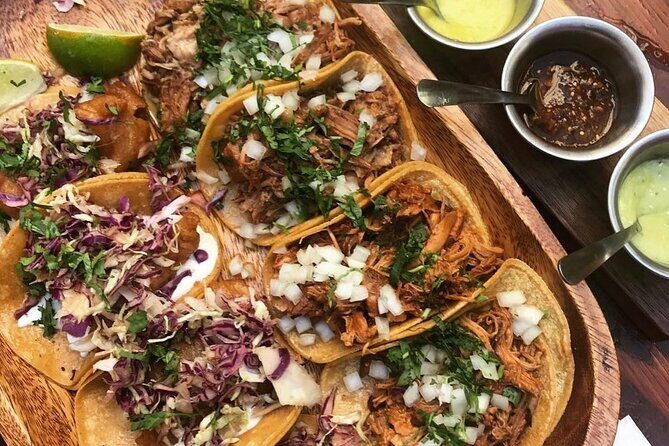
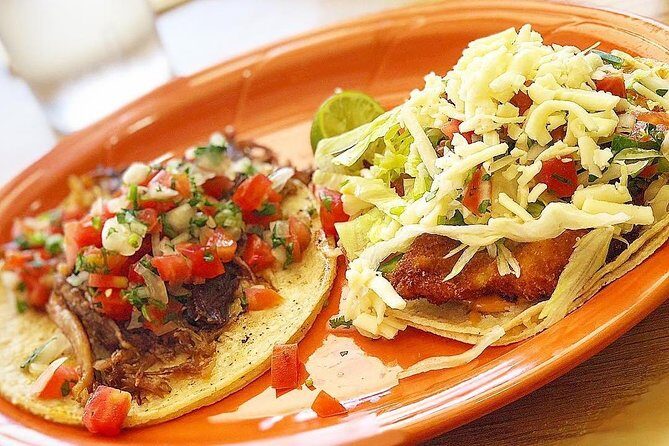
Next up is Taqueria Cancun, where the focus is on authentic Mexican tacos made with fresh ingredients. This is the savory anchor. After a muffin-style start, you’ll appreciate the clear hit of spice, salt, and texture that tacos do so well.
What I’d watch for at this stop is balance: taco bites usually win because each ingredient brings something different—warm tortilla, filling, toppings, and sauce. If you’re the type who thinks you hate tacos, this stop is exactly where your opinion can change because the tour isn’t selling you a watered-down version.
Tip for you: eat deliberately. If you rush through, you’ll miss the small differences that separate a great taco from a good one—like how the tortilla holds up or how the toppings don’t drown out the meat or filling.
Stop 3 at Arepas Latin Cuisine: Venezuelan food that feels like comfort
The tour then heads to Arepas Latin Cuisine – San Francisco. Here, you’re tasting arepas described as some of the best Venezuelan bites in the Bay Area.
Arepas are a smart choice in a tasting menu because they’re flexible. You get that satisfying handheld shape, and you also get a chance to compare textures: crisp edges vs. tender inside, plus whatever fillings the shop offers at that moment. Even if you don’t know much about Venezuelan food, this stop gives you a straightforward entry point.
The guide context here is where this experience starts to feel more like a neighborhood tour and less like a checklist. Expect stories about how people in the Mission connect to Latin American flavors—and why the area supports so many different food cultures in one walkable pocket.
You can also read our reviews of more tours and experiences in San Francisco


Stop 4 at Venga Empanadas: baked, hand-made, and vegetarian-friendly
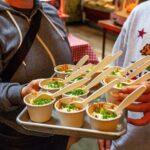
At Venga Empanadas, the standout detail is how the empanadas are made: baked not fried and made by hand. The description also explicitly calls out variety for both vegetarians and meat-lovers, which is a big deal when you’re booking a group food tour.
This is a stop for people who want comfort food without the heaviness you sometimes get from fried snacks. Baked empanadas tend to keep their structure longer, so you’re less likely to show up to the final stops feeling like you’ve swallowed a brick.
If you’re booking with vegetarian needs, you should flag it during booking. The tour does say a vegetarian option is available, and that’s the kind of detail that can make or break your experience when tastings are involved.
Stop 5 at Tartine Bakery: the skip-the-line finish
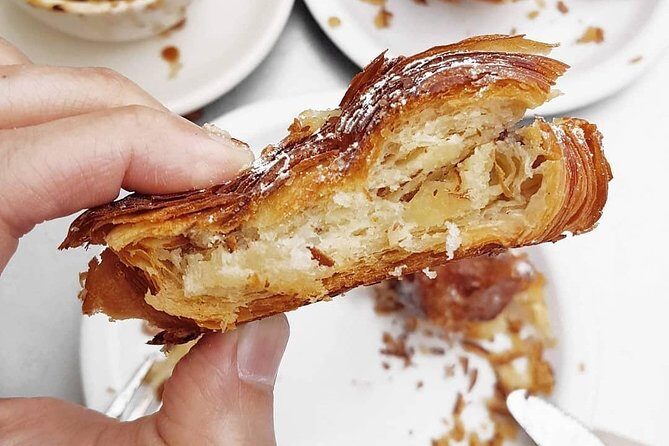
The last tasting stop is Tartine Bakery, described as the best French-style bakery in San Francisco—with the added perk that you get to skip the line. The featured sweet is a gooey chocolate cookie.
Ending with something bakery-style makes sense. The Mission has plenty of savory options, but you still want a dessert that brings you back to “wow, okay, I get why people talk about this.” Tartine-style sweets often have that bakery precision—soft yet structured, with strong flavor even in a small bite.
Skip-the-line matters more than it sounds. In San Francisco, a queue can chew up time fast, and you’re already on a scheduled tour. This choice protects your dessert moment so you can focus on eating, not circling the block.
The $99 question: is this good value?
At $99 per person for about 3 hours, the value comes from three places:
First, the tour includes all food tastings and it also includes lunch. That’s not a small detail. Many food tours sell tastings but the “lunch” portion ends up being vague. Here, lunch is explicitly part of the included experience.
Second, you’re paying for a guide and context. The guide isn’t just handing you food; they’re sharing neighborhood culture and helping you see what you might miss on your own walk through the Mission. That is often the difference between sampling places and actually learning how the neighborhood works.
Third, the tour includes a city map and removes friction at the biggest “pain point” stop—Tartine Bakery—by offering skip-the-line entry. When one stop can otherwise take a long time, reducing that wait is real money-saver energy.
One note to keep things fair: a few people wished they got more detail about the food and the people behind it, instead of more history and architectural context. If you’re the type who wants purely culinary talk, you may want to ask your guide to focus more on the ingredients and the stories of the restaurants while you’re walking.
Culture + history: what the guide adds (and what to expect)
This tour is described as a Mission District food walk where you hear about the neighborhood’s culture from your guide. In practice, that means you’re mixing tasting time with short bursts of context: how the Mission has shaped food traditions, how different communities overlap, and how the street-level scene got to this point.
That blend is a plus for people who like a sense of place. It’s also where expectations can matter. If your ideal tour is mostly about what you’re eating and why it tastes the way it does—rather than broader neighborhood context—you might want to mentally switch into conversation mode. Ask questions. The guide experience appears to vary by who leads your group, and names like Jinny, Blair, and Charly came up in feedback as examples of guides who bring energy, structure, and local stories.
Also, there’s a pacing note from some guests: a few people felt the walking pace was too quick at times. If you’re traveling with slower companions or you just don’t like being rushed, be proactive. Stay close to the front, and if you fall behind, don’t try to sprint—use the next wait point to regroup.
Who should book this Mission food tour?
This works best if you want:
- A walkable San Francisco meal that starts at Valencia and ends near Guerrero
- A chance to try multiple Latin American cuisines without hunting down each place yourself
- A guide-led experience where you learn the neighborhood context while you eat
- A group format with a maximum of 14 people, which keeps it social but not chaotic
It’s less ideal if:
- You’re extremely sensitive to pace and hate feeling rushed between stops
- You only want deep culinary background and minimal neighborhood storytelling
- You’re hoping for hotel pickup—there isn’t any, so you’ll need to make your own way to the meeting point
If you’re traveling solo, going with friends, or planning a “smart first day” in the Mission, this is a solid way to get your bearings and your appetite under control.
Practical tips so you enjoy every stop
A good tasting tour is partly planning. Here’s how to make it smooth:
- Arrive a little early at 826 Valencia St so you’re not flustered when the group moves.
- Wear comfortable shoes. This is a walking experience, not a “sit-and-sample” tour.
- Let the team know about vegetarian needs when you book so the plan fits you.
- Keep your pace aligned with the group, especially at crosswalks and busier intersections.
- When you hit the sweets—especially the Tartine chocolate cookie—slow down and taste it like it’s the main event. It’s meant to be.
And one more thing: this is a tour where you get a map. Use it after. That map helps you turn the food experience into a broader Mission walk.
Should you book this Mission District Food Tour?
If you like the idea of tasting tacos, arepas, empanadas, and Tartine bakery treats in about three hours, with a small group and a guide who explains the Mission’s culture, I’d say it’s a strong booking choice. The big value driver is that you’re not guessing about lunch or food costs—you get them included, plus a practical map to keep your exploring going.
Book it especially if you’re coming hungry and you enjoy food that’s both familiar and new. It may be less perfect if you want a slow, deeply culinary-only pacing with minimal history, or if you get stressed by moving quickly between stops.