REVIEW · SAN FRANCISCO
Mission District Food and Culture Walking Tour
Book on Viator →Operated by ExperienceFirst · Bookable on Viator
Street art and burritos in one smart walk. This Mission District tour pairs the murals at Balmy Alley with hands-on food stops like Taqueria San Jose and La Espiga De Oro. I love the mix of culture and eating and how the guide ties each mural to real community life, but it’s mostly on your feet, so plan comfy walking shoes.
The whole thing clocks in at about 2 hours, with a small group size (up to 20). Guides like Jamie and Seth are known for keeping the vibe respectful and lively while covering topics that can get emotional, especially around muralism in the Mission. For food, you’ll pay extra, but the tour price is a solid deal for the guided street-level context.
In This Review
- Quick takes: why this Mission District walk works
- Mission District in 2 hours: what you’re really buying for $39
- Meeting at Voss Gallery: how the walk is paced and what to expect
- Stop 1: Mission District crossroads at Voss Gallery and the rock-music link
- Stop 2: Taqueria San Jose and the art of burritology
- Stop 3: Taqueria Vallarta and the taco flavor-per-tortilla test
- Stop 4: Balmy Alley murals from 1972 to 2024
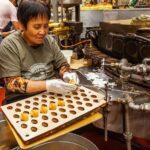
- Stop 5: La Espiga De Oro for pan dulce and fruit-flavored tamale
- Stop 6: Calle 24 Latino Cultural District and why mural tradition is lived, not staged
- Food budget math: what $39 covers and how to plan the optional $30
- Timing and logistics that actually affect your day
- Dietary needs: how to plan what you’ll eat without stress
- Who this Mission District food and culture walk suits best
- Should you book this Mission District tour?
- FAQ
- What is included in the $39 tour ticket?
- How much should I budget for food?
- Where do I meet for the tour?
- Where does the tour end?
- How long is the walking tour?
- Is the tour offered in small groups?
- Are dietary restrictions accommodated?
- Is the tour good for people with mobility concerns?
- Is the tour dependent on weather?
- What is the cancellation policy?
Quick takes: why this Mission District walk works
- Balmy Alley murals from 1972 to 2024 with stories focused on the women behind the movement
- Taqueria San Jose burritology: a family-run Mission classic since 1980
- Taqueria Vallarta tacos that zero in on flavor per tortilla bite
- La Espiga De Oro sweet finish: pan dulce plus fruit-flavored tamale as a local-friendly wildcard
- Calle 24 Latino Cultural District: murals as living community tradition, not museum talk
Mission District in 2 hours: what you’re really buying for $39
For $39, you’re not just paying for walking plus photos. You’re paying for someone local to connect dots fast: Latinx culture, neighborhood identity, and why the Mission’s street art and food scene go together. That’s a lot to fit into 2 hours, and it’s exactly why this format works.
Here’s the practical way to look at value. The walking portion is included, and it’s guided by an English-speaking San Francisco guide. Food is additional, but the structure nudges you to sample multiple places instead of committing to one meal you may regret later. And because the group stays small, you’re not stuck behind a crowd while trying to hear stories at curbside.
One more detail that matters: there’s a mobile ticket, which keeps things simple when you’re bouncing between stops on 24th Street. You meet at 3344 24th St and end on 24th Street around La Espiga De Oro at 2916 24th St.
You can also read our reviews of more walking tours in San Francisco



Meeting at Voss Gallery: how the walk is paced and what to expect
You’ll start at the area around Voss Gallery at 3344 24th St. From there, the tour moves in short, timed segments—think about 15 to 20 minutes per stop—plus walking time between. That pacing matters because street art and food both reward attention. Too much time in one place can make the story blur; too little time means you miss the detail.
Most of the time on this tour is spent outdoors, then you’ll duck into restaurants for generous samples. If you’re traveling when the weather is iffy, plan to dress for variation. This experience requires good weather, so you’ll want flexibility in your day.
Group size is capped at 20. That tends to keep the experience conversational, so you can ask the kind of questions that turn a scenic walk into a real neighborhood lesson. Service animals are allowed too, so you can feel comfortable planning without guessing about the rules.
Stop 1: Mission District crossroads at Voss Gallery and the rock-music link
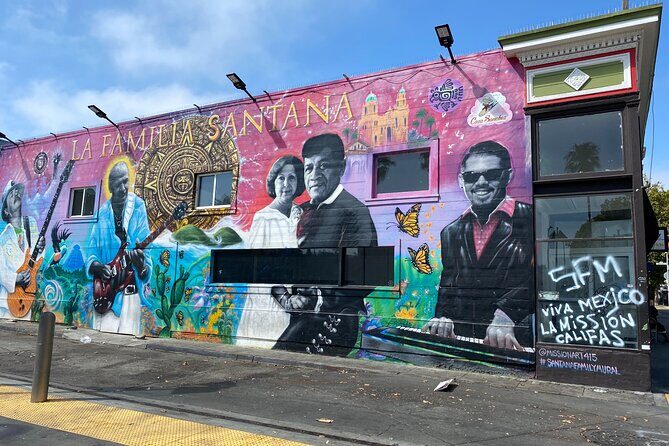
The first stop is at the Mission District crossroads near Voss Gallery, where you’ll get a story that reaches beyond murals and food. You’ll learn how the Mission inspired two brothers from the neighborhood to create a new sound in rock music.
Why I think this opening works: it sets the theme that the Mission isn’t a single-identity neighborhood. It’s culture that spreads into music, food, art, and daily life. Starting with music also makes it easier to understand the later mural conversation. Both are about voice—who gets heard and how the neighborhood tells its own story.
This segment is about 15 minutes. Expect a quick, clear narrative and an orientation to the area so you know what you’re looking at as you move.
Stop 2: Taqueria San Jose and the art of burritology
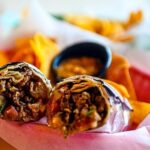
Next comes Taqueria San Jose, where the focus is the Mission burrito. You’ll get introduced to the idea of burritology—basically, the thinking behind what makes a burrito great and why the Mission version is its own category.
This place has been family-owned and crafting these hearty burritos since 1980, and it’s described as award-winning. The tour timing here is about 20 minutes, which is long enough for a proper bite without turning it into a sit-down restaurant evening.
What to watch for as you eat: notice the balance. Great Mission burritos usually feel like a system—tortilla, fillings, seasoning, and texture working together instead of one star item drowning everything else. If you usually treat burritos like a generic handheld meal, this stop is where you’ll understand why locals get opinionated.
Any drawback? You may get tempted to compare every burrito you find for the rest of your trip. That can be fun, but it can also raise your expectations fast.
Stop 3: Taqueria Vallarta and the taco flavor-per-tortilla test
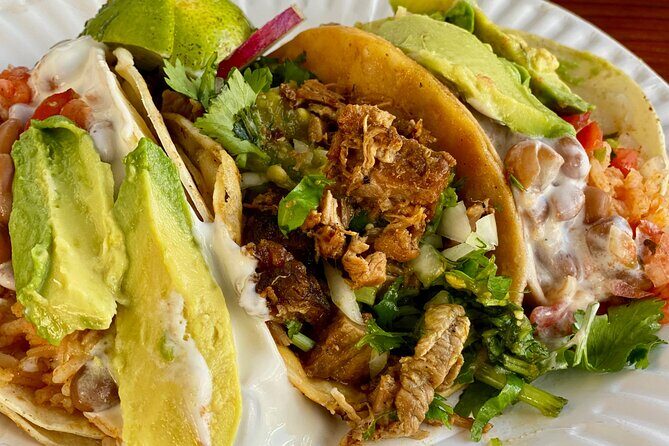
After Taqueria San Jose, you’ll head to Taqueria Vallarta for tacos. This stop zeroes in on how much flavor can fit inside a tortilla—and the story connects that idea to streetside taqueros from Tijuana to Tulum.
You’ll spend about 20 minutes here, and the payoff is straightforward: you get to taste another style and another flavor direction, not just repeat the same food concept. The value is that you’re training your palate. By the end of the tour, you’ll be able to tell the difference between what makes a burrito satisfying versus what makes a taco feel precise and punchy.
If you’ve got dietary needs, this is where you’ll be glad the tour notes that restaurants can accommodate many restrictions, including vegetarian, vegan, gluten-free, and lactose-free options.
You can also read our reviews of more food & drink experiences in San Francisco


Stop 4: Balmy Alley murals from 1972 to 2024
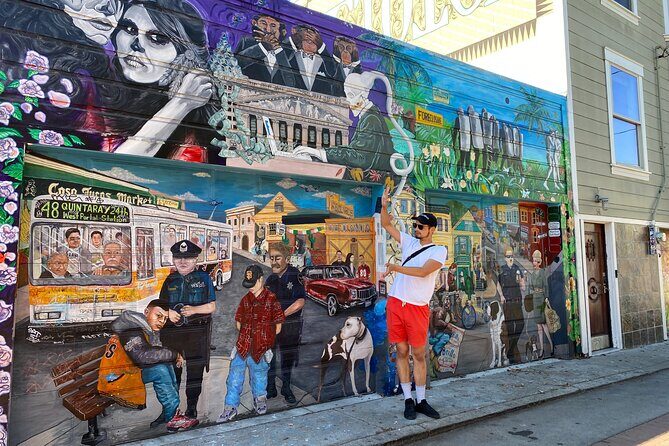
Then you switch from food focus to street art focus—Balmy Alley Murals. This is the kind of place where the “just look around” advice doesn’t cut it, because the art isn’t random. It spans murals from 1972 through 2024, and the guide’s stories include the women who helped start San Francisco’s community mural movement and stayed at the forefront.
This stop lasts about 15 minutes, but don’t underestimate it. Good mural interpretation happens in small chunks: what you’re seeing, why it matters, and how the neighborhood kept pushing the idea forward through decades. When a guide explains the people behind the paint, the alley stops being a pretty photo stop and becomes a map of community memory.
One consideration: mural themes can be sensitive. A strong guide helps you hold that context without getting dragged into drama. Based on how guides like Jamie and Seth are described, expect thoughtful pacing.
Stop 5: La Espiga De Oro for pan dulce and fruit-flavored tamale
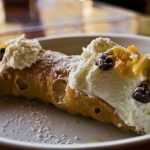
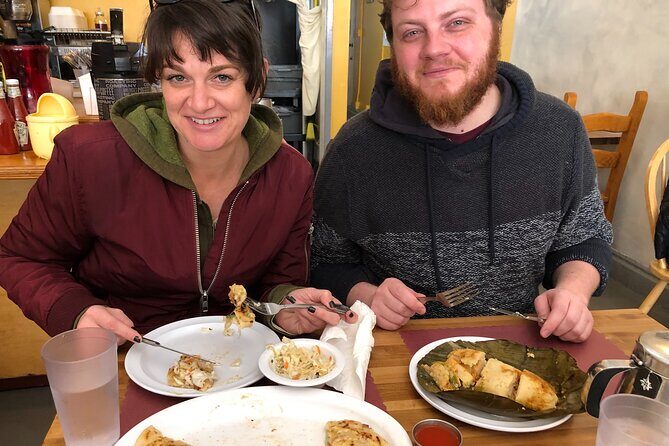
By the time you reach La Espiga De Oro, the tour naturally turns sweet. This stop is about 15 minutes and centers on pan dulce—plus a less common option: fruit-flavored tamale.
Why this matters: dessert can feel like an afterthought on food tours, but here it’s framed as part of local eating culture, not just sugar. Pan dulce is also a fast way to understand regional preferences because it’s visual and varied. The fruit-flavored tamale is the wildcard that helps this tour avoid being “the usual.” If you like trying one surprising item, this stop is for you.
If you have a sweet tooth, you’ll want to come hungry. Even with samples earlier, the tour’s structure means you’ll likely have room for one more treat. If you’re not a sweets person, you can still get something that fits your style, since the tour notes dietary accommodation options.
Stop 6: Calle 24 Latino Cultural District and why mural tradition is lived, not staged
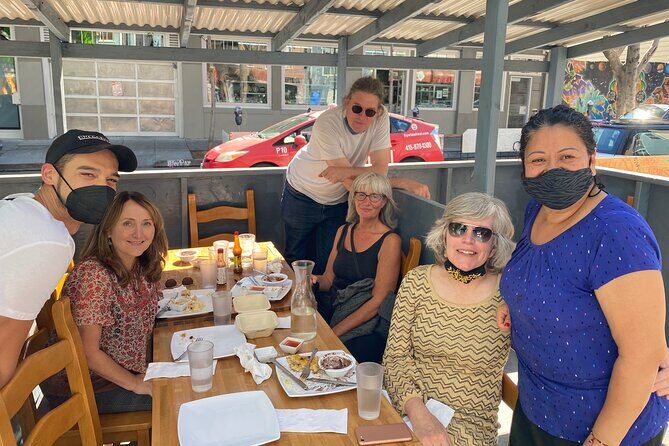
The walk finishes with Calle 24 Latino Cultural District, another key stop for understanding why murals matter here. You’ll learn about the 50-plus-year tradition of Mission muralism and the passion behind it—plus how it’s become part of the everyday life of people who live in the neighborhood.
This segment is about 15 minutes, but it’s an important wrap-up. The Mission mural story can be misunderstood if you treat it like art only. Here, the emphasis is on commitment and community—who created these works, and what they continue to represent.
This stop also helps you leave with better context than you started with. You’ll likely walk away noticing more than paint—signs of advocacy, cultural pride, and the everyday presence of art on the street.
Food budget math: what $39 covers and how to plan the optional $30
Let’s talk money in a way that’s actually useful.
Your ticket covers the walking tour portion. That means guidance, the street-level route, and the structured stops for story time and sampling. It does not include food. The tour specifically suggests budgeting $30 if you want to try all three of the recommended dishes.
Here’s the value angle: if you’d otherwise spend $25–$45 on one meal plus snacks, you can end up with multiple tastings and a guided narrative that helps you understand what you’re eating and where it fits culturally. Even if you’re cautious about spending, this structure can help you avoid a big “one wrong restaurant” risk.
Also, bring cash if you can. The tour notes that paying in cash gives you a discount at two of the restaurants. That’s small, but it can matter when you’re trying different items across multiple stops.
Timing and logistics that actually affect your day
This tour runs about 2 hours total, and the stop lengths are short enough to keep your energy up, but long enough to eat and absorb stories. Most people can participate, which is helpful if you’re balancing other sightseeing.
You’ll be walking on neighborhood sidewalks, so you’ll want shoes you can trust. If you’re carrying a lot of bags, consider traveling light. Outdoor time plus restaurant sample time means you’ll move, stop, and move again.
Transportation is also a plus: it’s near public transportation. That matters in San Francisco, where “close” can still feel far if you rely on rides and hills. If you’re heading back to downtown or your hotel afterward, you’ll probably find it easier to plot a route once you’ve landed on 24th Street.
Dietary needs: how to plan what you’ll eat without stress
This experience says the restaurants can accommodate most dietary restrictions. Options mentioned include vegetarian, vegan, gluten-free, and lactose-free.
That’s huge for peace of mind because food tours often fail people who can’t eat everything on a menu. Here, the tour is set up around multiple restaurants, so there are more chances to match your needs than in a single fixed restaurant experience.
My practical advice: if you have a strong restriction (not just preference), think about how you’ll communicate it clearly when the guide confirms what you’re ordering or sampling. Even when kitchens can accommodate, the fastest way to get it right is straightforward communication.
Who this Mission District food and culture walk suits best
This tour is a strong fit if you want more than photos of street art and more than a checklist of taquerias. I’d book it if you like the idea of walking with a guide who connects the food to the neighborhood story—and if you’re curious about why community muralism became such a powerful part of the Mission.
It’s also a good choice if you’re short on time. Two hours is enough to get a real taste of the area without turning the day into a full-day mission.
It might be less ideal if you hate walking, want a full sit-down meal experience, or expect the food to be included in the ticket price. Food is part of the experience, but you’ll pay extra.
Should you book this Mission District tour?
Yes, if you want a smart, guided taste of the Mission that balances street art and food with context. The best reason to book is that the tour is built around more than eating: it helps you read the neighborhood—especially through Balmy Alley murals and the Calle 24 Latino Cultural District.
I’d skip it only if you’re strictly looking for a mural-only outing, because the food stops are a key part of the format and the sampling is central. If you do book, come with comfortable shoes and the mindset that $30 for food is part of the deal, not a surprise.
If you want, tell me your travel dates and any dietary needs, and I can help you plan what to eat first so you don’t end up too full for pan dulce.
FAQ
What is included in the $39 tour ticket?
The ticket includes the 2-hour guided walking tour with a professional English-speaking guide and insider tips on hidden gems and food spots. Food is not included.
How much should I budget for food?
The tour recommends bringing about $30 if you want to try all three of the recommended dishes. This is optional.
Where do I meet for the tour?
You meet at 3344 24th St, San Francisco, CA 94110, USA.
Where does the tour end?
The tour ends at La Espiga De Oro, 2916 24th St, San Francisco, CA 94110, USA.
How long is the walking tour?
The tour lasts about 2 hours.
Is the tour offered in small groups?
Yes. The tour has a maximum of 20 travelers.
Are dietary restrictions accommodated?
Yes. Restaurants can accommodate most dietary restrictions, including vegetarian, vegan, gluten-free, and lactose-free options.
Is the tour good for people with mobility concerns?
Most people can participate, since it’s a walking tour with restaurant stops, but it is still mostly on foot.
Is the tour dependent on weather?
Yes. The experience requires good weather. If it’s canceled due to poor weather, you’ll be offered a different date or a full refund.
What is the cancellation policy?
There’s free cancellation. You can cancel up to 24 hours in advance of the experience for a full refund. If you cancel less than 24 hours before the start time, the amount you paid is not refunded.