
REVIEW · SAN FRANCISCO
San Francisco: Silicon Valley Private Tour with Hotel Pickup
Book on GetYourGuide →Operated by Cali Trips · Bookable on GetYourGuide
Silicon Valley is a story you can drive through. This private 7-hour loop connects the big tech names with the small, human places where ideas started. I like that you get hotel pickup and a tight itinerary that still leaves room to breathe at the key stops, and I also love how the tour uses real company origins (HP Garage, Googleplex area, Apple locations) to explain how innovation evolved.
One thing to keep in mind: some tech campuses have limited viewpoints or access. You’ll still get guided context and good photo angles, but the experience works best if you’re okay with seeing the sites from the outside.
In This Review
- Key highlights worth planning around
- A 7-hour tech timeline, not a checklist
- Getting picked up in San Francisco without the logistics headache
- Meta Headquarters: tech culture seen at corporate scale
- Stanford University: where ideas become talent
- HP Garage: the scrappy origin story you can still stand on
- Steve Jobs’s home stop at 2101 Waverley St
- Googleplex: seeing modern innovation and taking a planned break
- Computer History Museum: the timeline anchor you’ll remember
- Apple Park Visitor Center and the Apple Garage finale
- Transportation comfort: why the vehicle matters in the Valley
- Price and value for a group of up to 4
- Who this tour fits best
- Should you book this Silicon Valley private tour?
- FAQ
- FAQ
- How long is the tour?
- How much does the tour cost?
- Do you get hotel pickup and drop-off?
- Which stops are included?
- What languages are available for the guide?
- Is the Computer History Museum open every day?
- What should I bring for the day?
Key highlights worth planning around
- Hotel pickup and drop-off in San Francisco so you don’t waste time figuring out transport
- Forest or Pablo-style guiding with strong storytelling and room for discussion
- Stanford University campus time to connect the tech story to ideas, not just companies
- HP Garage and the Apple sites to see where disruptive thinking had its early physical roots
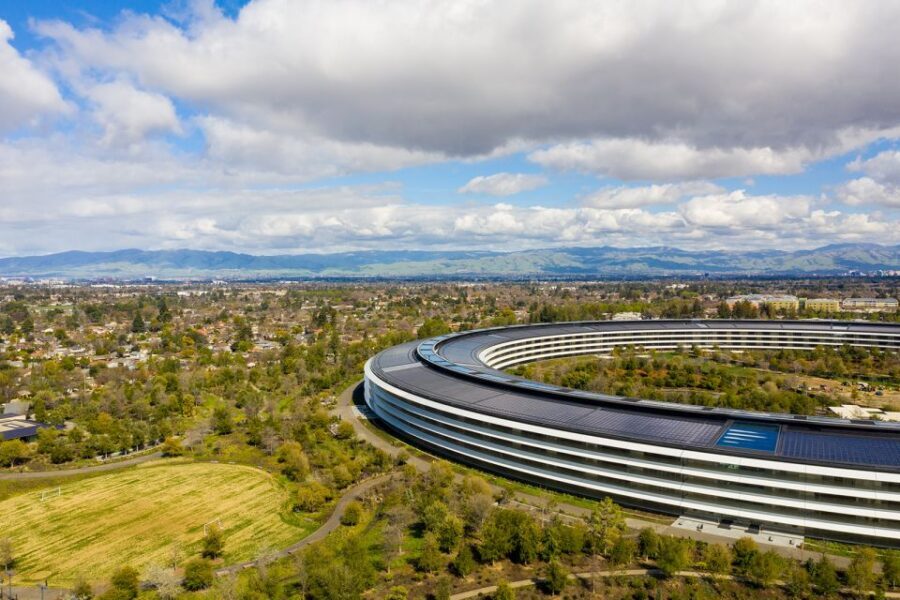
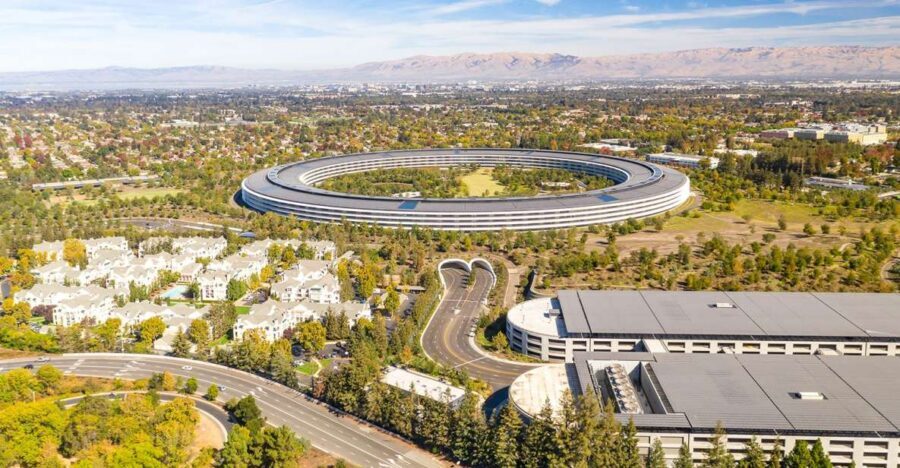
- Googleplex and Apple Park Visitor Center stops that show what modern innovation looks like today
- Computer History Museum as the timeline anchor, open Wednesday to Sunday
A 7-hour tech timeline, not a checklist
This tour is built like a guided storyline. You start in San Francisco with pickup, then head south into the Valley where startups became systems, and systems became the daily tools you use without thinking. The best part is that the stops are spaced so you can connect cause and effect: universities shaping talent, garages shaping risk, and today’s headquarters shaping scale.
You’re traveling as a private group (up to 4) in a vehicle that’s been praised for comfort and reliability. That matters more than people think, because 7 hours in the Bay Area is mostly about time on the road. With pickup included, you’re using your day for sights and explanations, not parking stress.
You’ll also want to plan for walking. Even when the schedule says walk, it’s usually short stretches for views, photos, and moving between clustered areas. Bring comfortable clothes and sunscreen, and yes, bring a camera since a few stops are particularly photo-friendly.
You can also read our reviews of more private tours in San Francisco


Getting picked up in San Francisco without the logistics headache
Your day starts with hotel pickup in San Francisco and ends with drop-off back in the city. That’s one of the biggest value points here. If you’ve tried to do the Valley on your own, you know the pattern: you spend time coordinating rides, then arrive at famous spots without knowing what you’re looking at.
With a guide in the car, you get context as you go. That turns the drive into part of the experience, not a transfer. And because this is a private group, you can move at a pace that makes sense for your timing and interests.
The tour is listed for 7 hours, so if you have a conference, a tight dinner plan, or a schedule day after travel, this is a practical way to fit Silicon Valley in without stretching it into a full day of extra transportation.
Meta Headquarters: tech culture seen at corporate scale

The tour’s first major stop in the Valley is the Meta headquarters. You’ll have time for sightseeing and a guided visit, then walk a bit in the surrounding area. Even when you’re not going inside buildings, a corporate campus has its own language: the architecture, the layout, and the way people move through space.
Why this stop matters: Meta represents the modern era of tech that isn’t just building devices. It’s building platforms and networks at huge scale. Your guide’s job here is to connect what you see with why it matters, and to set up the next contrast—where early innovation felt smaller, scrappier, and more experimental.
A practical note: corporate campuses can mean security procedures and outdoor-only viewing depending on the moment. The tour still works because the “why” is handled by the guide, and you’re not stuck staring at a fence without context.
Stanford University: where ideas become talent
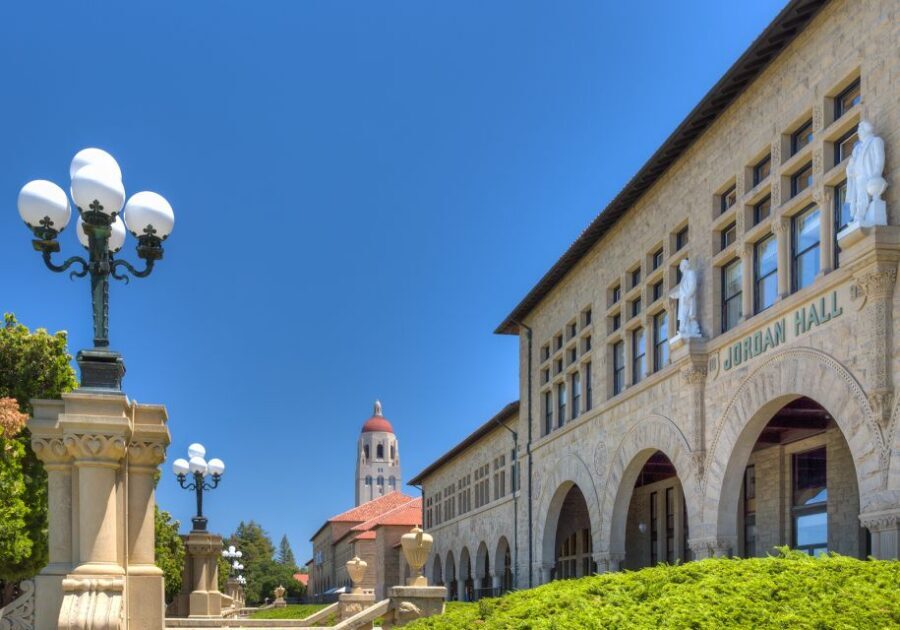
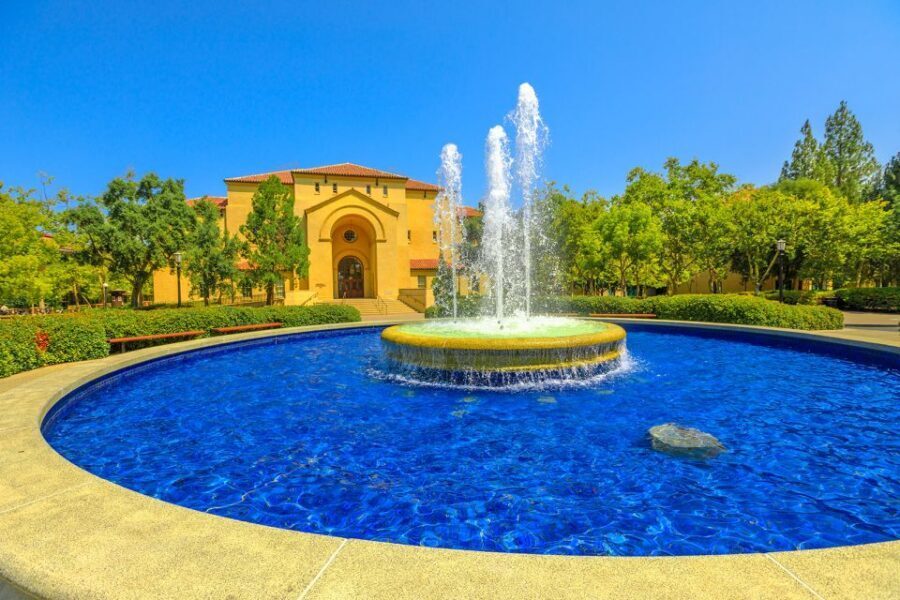
Next up is Stanford University in Palo Alto. This is one of the stops that tends to feel both impressive and useful, even if you’re not a campus person. You’ll get guided time, plus sightseeing and walking.
Stanford connects the Silicon Valley story to a larger engine: education, research culture, and the kind of environment that makes ambitious people meet. It also helps you understand that tech history is not only company milestones. It’s also the ecosystem that produces founders, engineers, and investors.
What to watch for while you’re there: the way the campus is built for walking and big-picture thinking. You’ll feel how the setting encourages long discussions and long projects, which is a major reason the area kept generating new waves of companies.
Drawback to plan for: campus time can vary depending on weather and how much walking you’re comfortable with. If you get tired easily, wear shoes you can use for uneven sidewalks and keep your energy for later stops like the museum.
HP Garage: the scrappy origin story you can still stand on
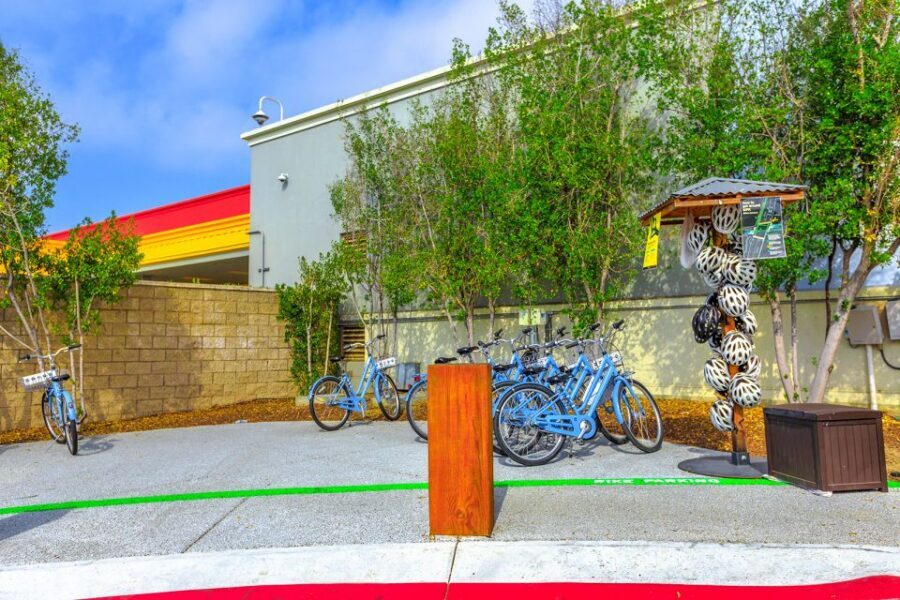
At the HP Garage, you’re getting one of the most literal “tech roots” experiences on the itinerary. You’ll visit with a guided explanation and get time for sightseeing.
This is the kind of stop that works whether you’re a computer person or just tech-curious. The power here is historical and physical at the same time. A garage sounds ordinary until you connect it to what came out of it: early prototypes, experimentation, and the willingness to try things that don’t have a guaranteed path to success.
The guide’s storytelling matters a lot at this point. When someone can connect the space to real decisions people made, it stops being a photo stop and becomes a lesson in risk and persistence.






Steve Jobs’s home stop at 2101 Waverley St
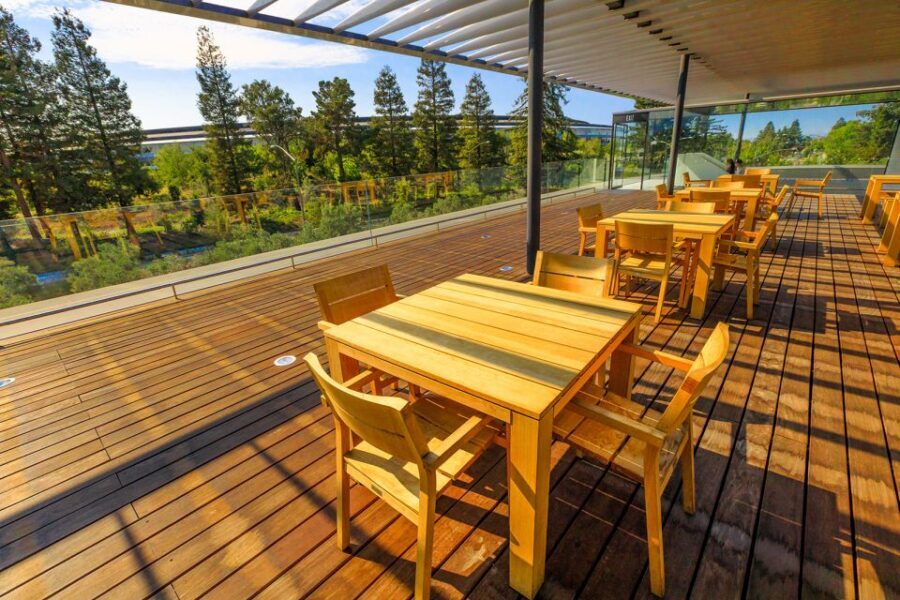
Then the route includes 2101 Waverley St, specifically framed as a place tied to the Steve Jobs story. You’ll be doing sightseeing from the outside, with the focus on the human side of the tech timeline.
Why it belongs in a tech tour: garages and headquarters show the public face. A home stop, even from across the street, reminds you that the tech revolution was powered by real people with real routines and real decisions. It can be a surprisingly grounding moment after corporate-scale viewing.
This is also where you should manage expectations. Since it’s a sightseeing viewpoint, you won’t treat it like a museum. The value comes from what your guide connects it to: the mindset and momentum that helped turn an idea into a company and then into a culture.
Googleplex: seeing modern innovation and taking a planned break
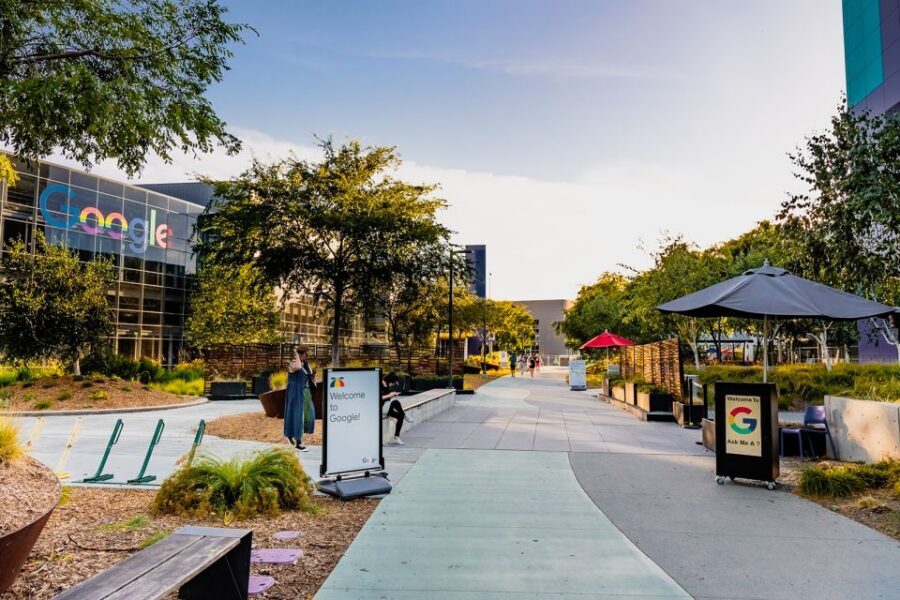
The tour heads to the Googleplex with break time included. You’ll also have guided time, plus sightseeing and walking.
A break is smart here. The Valley isn’t a compact city like you’d see in Europe. Even with efficient routing, you’re spending a chunk of your day in the car. Having built-in pause time helps you keep your energy for the rest of the itinerary, especially the museum and Apple stops.
At Googleplex, what you’re trying to understand is the shift from invention to execution at scale. Google is a company that turned computing into everyday life for billions of people. Your guide’s job is to link what you see to the larger concept of how disruptive ideas evolve into infrastructure.
Practical consideration: Google and other tech campuses often mean you’ll spend most of your time outside with guided framing. Still, it’s a meaningful stop if you like seeing the contrast between past origins and current systems.
Computer History Museum: the timeline anchor you’ll remember
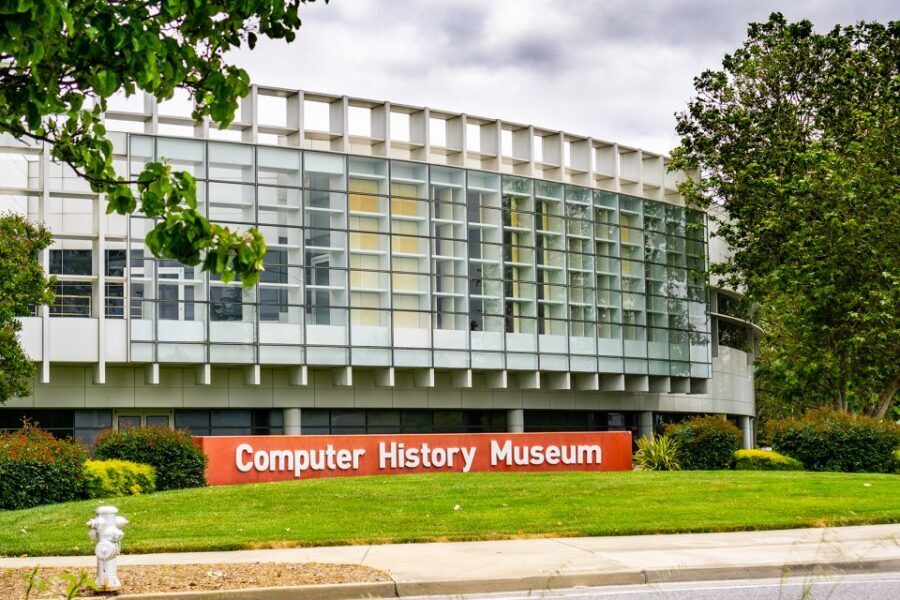
Next comes the Computer History Museum, with a visit and walking time. This is where the tour slows down mentally. Instead of company logos and campus views, you get hardware, artifacts, and the visual story of computing—how machines changed, how interfaces changed, and how we got from early devices to the tools shaping today.
One specific thing you should know: the Computer History Museum is listed as open Wednesday to Sunday. If your travel dates land on Monday or Tuesday, you might need to adjust expectations or consider a different day to keep this portion from slipping.
This stop can be the difference between a tour that feels like a drive-by photo session and one that feels like you understand how tech evolved. Even if you’re not a collector of vintage electronics, you can still appreciate the design changes and the engineering leaps when you see them in person.
Tip for timing: plan to take your time here. The museum is one of the few stops where looking longer actually pays off, because you’re building a mental timeline while you walk.
Apple Park Visitor Center and the Apple Garage finale
The tour ends with two Apple-focused moments, and they work as a before-and-after pair.
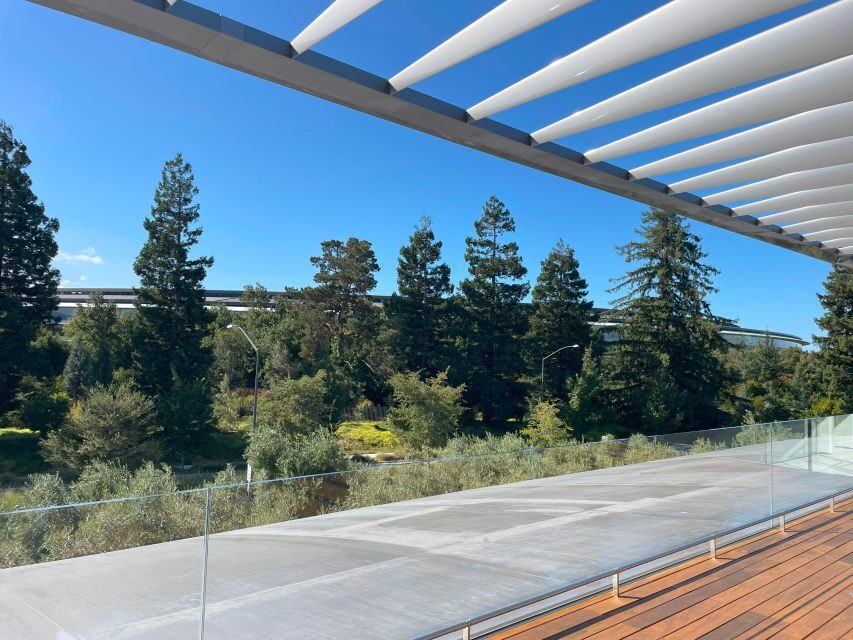
First is the Apple Park Visitor Center, with guided time, sightseeing, and walking. This is the “modern DNA” stop. It helps you see Apple not just as products, but as a design-and-ecosystem mindset. The visitor center angle is useful because you’re not guessing what the company values; you’re getting structured guidance around what shaped Apple’s approach.
Then the tour finishes at 2066 Crist Dr, framed as the Apple Garage, tied to the era when Steve Jobs and Steve Wozniak changed the tech industry. This ending is a powerful way to close the loop. You started earlier in the Valley with origin energy, and now you’re at one of the most iconic “it began here” spaces.
A practical way to enjoy the ending: treat it like the capstone of everything you saw earlier. Look back at the story your guide built—universities feeding talent, garages feeding invention, and headquarters scaling distribution. The Apple Garage stop lands hardest when you connect it to that progression.
Transportation comfort: why the vehicle matters in the Valley
The tour’s transport has strong ratings, including 95% perfect scores for the ride experience. That may sound minor, but in Silicon Valley days, comfort changes everything.
You’re doing:
- hotel pickup and drop-off,
- multiple driving segments,
- and a day that mixes outside walking with breaks.
A clean, spacious car makes it easier to stay relaxed, ask questions, and actually enjoy the explanations instead of thinking about logistics. It also helps if you’re traveling with family members or someone who doesn’t love long rides.
Price and value for a group of up to 4
This tour is priced at $500 per group (up to 4) for 7 hours. That’s not cheap if you’re traveling solo, but it becomes reasonable quickly when you compare it to the cost of arranging multiple logistics yourself.
Here’s the value logic that made this worth it for many groups:
- Pickup and drop-off remove the biggest pain point.
- A guide turns iconic places into a connected story.
- The itinerary covers multiple major tech sites plus the Computer History Museum, which would be harder to stitch together without planning.
If you’re a couple, family of up to four, or a group of friends who want comfort and guidance rather than public transit and guesswork, this is the sweet spot. If you’re traveling alone and you prefer to move independently, the price may feel steep.
Who this tour fits best
This Silicon Valley tour is a strong match if you:
- love tech history and want it explained clearly,
- want to see origins like HP Garage and Apple Garage, not just modern campuses,
- prefer a private day plan with flexibility at stops,
- or are traveling with kids or teens and want the day to stay interesting with storytelling.
If you want deep time inside buildings or full museum-style immersion at every corporate site, keep in mind that some places may be more exterior-focused depending on access on the day. The tour still delivers because the guide focuses on meaning, not just access.
Should you book this Silicon Valley private tour?
If you want Silicon Valley with context, comfort, and a route that connects Meta, Stanford, HP origins, Googleplex, the Computer History Museum, and Apple locations, you should seriously consider booking. The best reason is simple: the itinerary is built to help you understand the evolution of tech, not just check boxes.
Book it if your group includes tech fans, design fans, students, or anyone who likes stories where the setting matters. If you’re going on a weekday outside Wednesday to Sunday and the museum is a must for you, double-check whether your dates will keep the museum visit open. Other than that, this is the kind of guided day that makes the Valley feel like one long, readable chapter.
FAQ
FAQ
How long is the tour?
The tour duration is 7 hours.
How much does the tour cost?
It’s $500 per group, up to 4 people.
Do you get hotel pickup and drop-off?
Yes. Hotel pickup and drop-off are included from your San Francisco hotel.
Which stops are included?
The tour includes stops at Meta headquarters, Stanford University, the HP Garage, the Googleplex area, the Computer History Museum, the Apple Park Visitor Center, and an Apple Garage stop at 2066 Crist Dr, plus sightseeing at 2101 Waverley St.
What languages are available for the guide?
The live guide is available in English, Spanish, and Portuguese.
Is the Computer History Museum open every day?
No. The Computer Hardware Museum (Computer History Museum) is open Wednesday to Sunday.
What should I bring for the day?
Bring a camera, comfortable clothes, and sunscreen. Bottled water is included.