REVIEW · SAN FRANCISCO
San Francisco: Chinatown Food and History Walking Tour
Book on GetYourGuide →Operated by Gray Line San Francisco · Bookable on GetYourGuide
Chinatown tastes like a living museum. I like the mix of food tastings and history stops that explains what you’re seeing and why it matters. You get a guided walk that turns “busy streets” into a clear story, block by block.
One possible drawback: it’s a real walking tour. Plan on staying on your feet for about 150 minutes, and bring comfortable shoes since the route moves at a steady pace.
The guide matters here. Joseph has led this tour with a knack for making Chinatown history feel organized and practical, not like a lecture you can’t use.
In This Review
- Key highlights worth circling
- Entering Chinatown from Dragon’s Gate: meet, orient, and walk smart
- Stockton Street and the pagoda-style details you’ll actually notice
- Old Saint Mary’s Cathedral: religion, community, and why it’s visible
- Eastern Bakery cookies and tea: when the snack stop turns into a mini lesson
- Portsmouth Square: Gold Rush origins and the neighborhood’s founding story
- Delicious Dim Sum: tasting handmade-style bites on purpose
- The Fortune Cookie Factory finale: how the paper fortune gets made
- Price and value: is $85 worth 150 minutes and multiple tastings?
- Who this walking tour suits best (and who should think twice)
- Should you book San Francisco’s Chinatown Food and History Walking Tour?
- FAQ
- FAQ
- Where do I meet the tour guide?
- How early should I arrive?
- How long is the tour?
- How big is the group?
- What food will I try?
- Is the tour in English?
- Is hotel pickup included?
- Is there free cancellation?
Key highlights worth circling
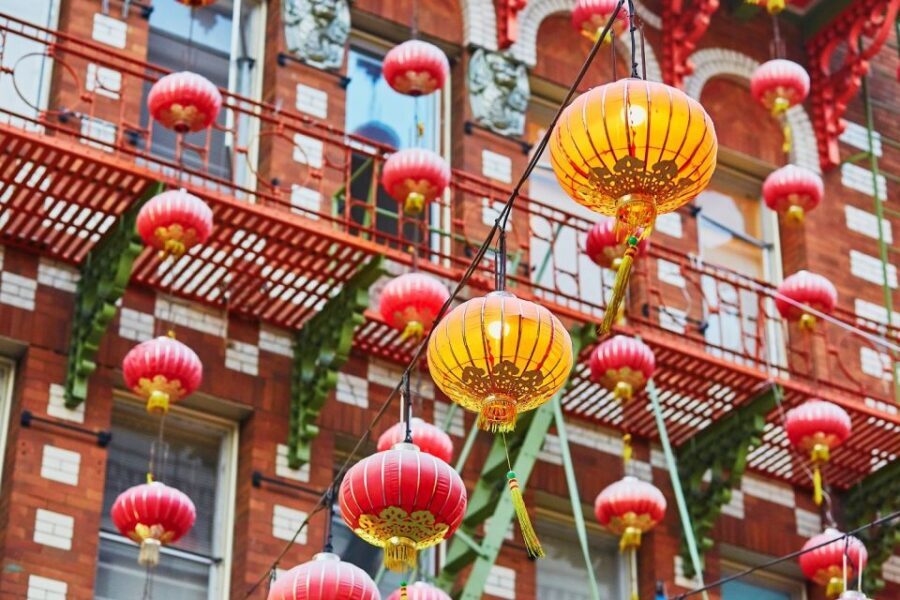
- Dragon’s Gate start: easy to find, right at the neighborhood entrance
- Eastern Bakery stop: cookies or pork buns plus tea (availability-dependent)
- Old Saint Mary’s Cathedral: why religion and community show up on these streets
- Portsmouth Square context: Gold Rush beginnings tied to Chinatown’s origin
- Dim sum at Delicious Dim Sum: homemade-style bites as a mid-tour reset
- Fortune Cookie Factory ending: see the process and taste the result
Entering Chinatown from Dragon’s Gate: meet, orient, and walk smart
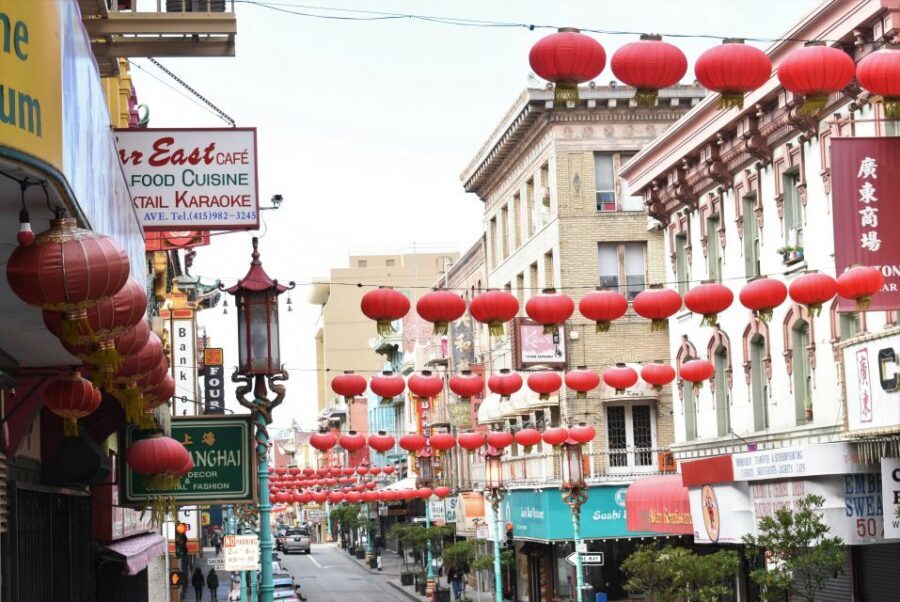
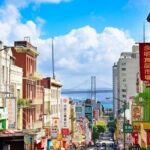
Your tour begins at Dragon’s Gate, the big entrance that basically tells you you’re in a different world from the rest of San Francisco. Arrive about 15 minutes early, then look for a Gray Line San Francisco uniform in front of the Starbucks cafe directly facing the gate. It’s a simple meetup, which matters when your day is already full of moving between neighborhoods.
I like this opening because it gets you oriented fast. Before you even reach the first food stop, your guide can point out what to notice: street layouts, signage, and those decorative building details that make Chinatown feel like it’s speaking its own language.
Also, this is a small group experience, up to 12 people. That’s not just a comfort perk. With a smaller crowd, you tend to get quicker answers to questions (and more time at photo stops), which helps you actually remember what you saw afterward.
You can also read our reviews of more walking tours in San Francisco
Stockton Street and the pagoda-style details you’ll actually notice
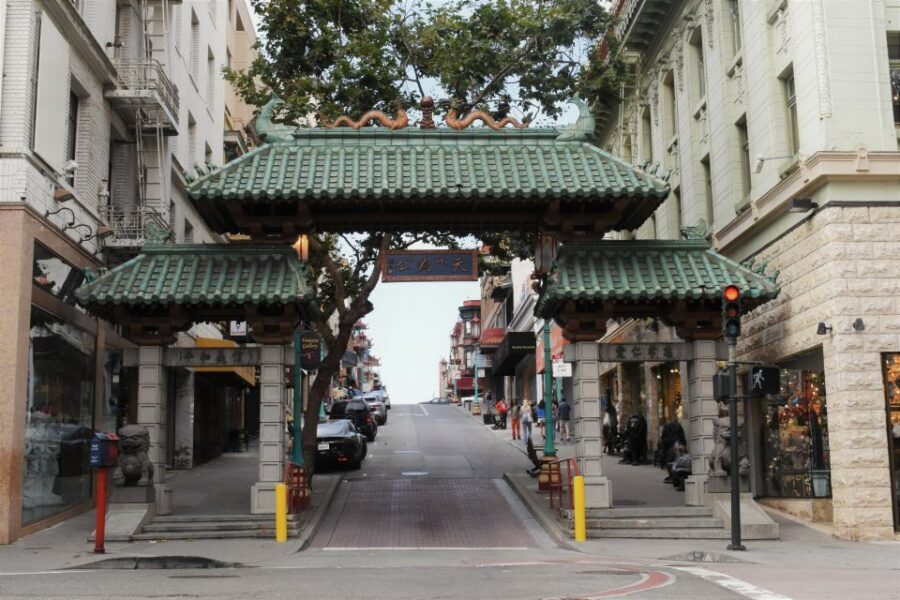
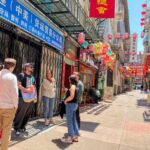
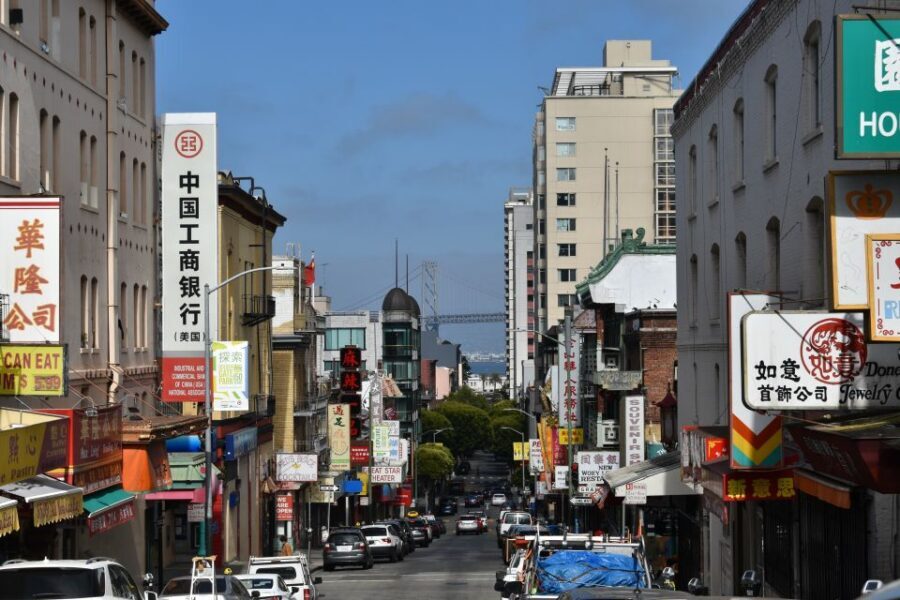
Once you’re walking, Stockton Street becomes your “main chapter.” You pass busy markets and food shops where it’s clear locals come here for ingredients, not just sightseeing snacks. Your guide’s commentary helps you read the area instead of just walking through it.
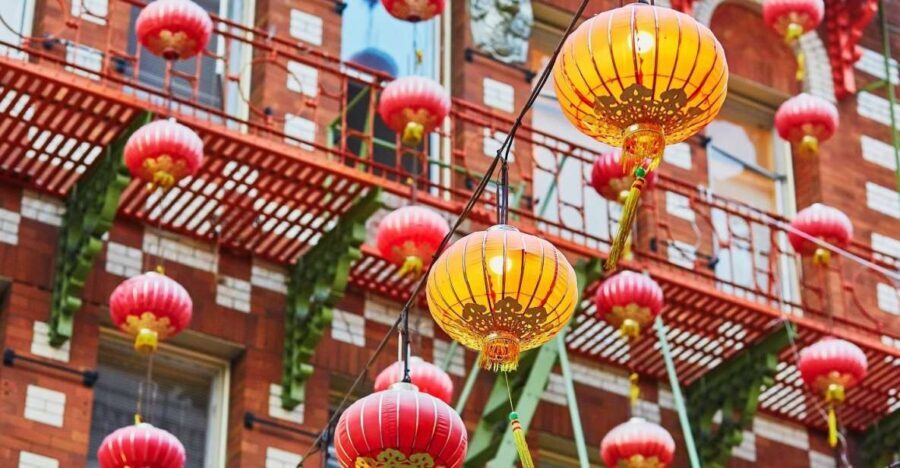
You’ll also see buildings designed with pagoda-like elements and Chinese decorations along the streets. If you’ve ever tried to photograph Chinatown and felt like the scene was too busy, this tour helps in a practical way: you learn what’s worth framing and when to slow down.
A quick reality check: the best photos often happen when you’re stopped. Since the tour builds in photo moments, you’re not constantly juggling walking and shooting. The route still moves, but the stops make it feel manageable rather than rushed.
Old Saint Mary’s Cathedral: religion, community, and why it’s visible
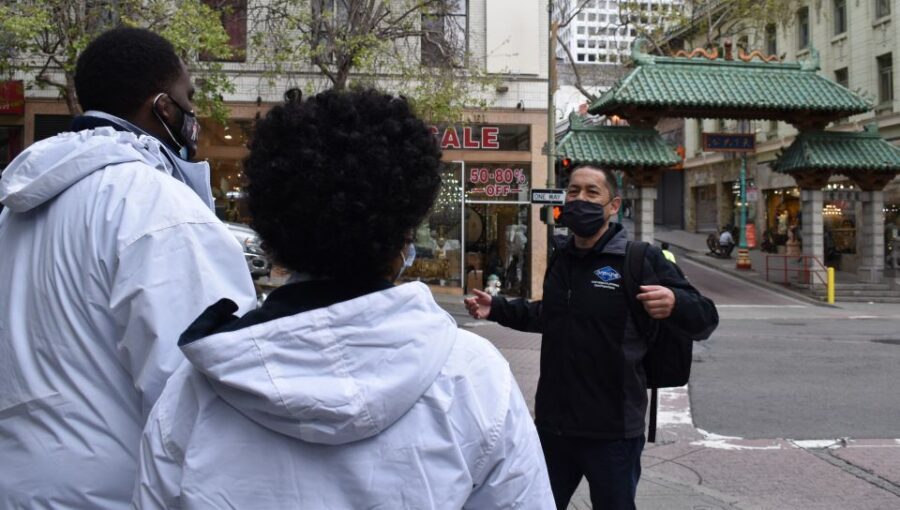
Chinatown isn’t only food. It’s also worship and community life—often right in the middle of the shopping blocks. One of the stops that makes that clear is Old Saint Mary’s Cathedral. You’ll get context about Chinatown’s religious culture and history, including how these institutions relate to the neighborhood’s identity over time.
This part of the tour is valuable because it prevents a common mistake: treating Chinatown as just a set of restaurants. Even if you’re mainly here to eat, understanding the community layer makes the decorations, architecture, and street rhythms feel more meaningful.
If you’re the type who likes to connect places to people (rather than just food to calories), this stop is a good anchor. You’ll leave with a clearer sense of why certain buildings and gathering points show up where they do.
Eastern Bakery cookies and tea: when the snack stop turns into a mini lesson
The Eastern Bakery stop is one of those moments where you get the best of both worlds. You can taste traditional Chinese cookies or traditional pork buns depending on availability, and you’ll also have tea of your choice. That combination is more interesting than it sounds—sweet-and-savory snacks change your palate, and tea helps you reset before the next walking stretch.
I also like that this is described as a stop where you can pick up inside cooking tips from the bakery owners. Even if the details vary day to day, the core idea stays the same: you’re learning from the people making the food, not just getting handed a sample.
Practical tip: if you tend to get full quickly, pace yourself here. The tour still has dim sum and a fortune cookie factory finale later, so don’t treat this as your entire meal. Use it like a tasting chapter and save your appetite for what comes next.
Portsmouth Square: Gold Rush origins and the neighborhood’s founding story
Portsmouth Square is a turning point in the tour. You’ll learn why this area matters for the Gold Rush and for California’s early beginnings, then connect those dots to Chinatown’s origin.
This stop is powerful because it adds time depth. You’re not just walking past pretty street corners—you’re tracing how a neighborhood formed. Chinatown’s story is tied to larger waves of migration and city growth, and Portsmouth Square is a place where that wider story lands in a human-scale setting.
Another reason this stop works: it offers a mental pause. After multiple food and architecture moments, this kind of historical grounding helps your brain organize what you’ve seen so far. You’ll likely start noticing patterns—how community spaces relate to commerce and daily life.
You can also read our reviews of more food & drink experiences in San Francisco

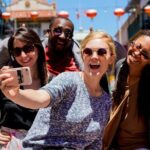
Delicious Dim Sum: tasting handmade-style bites on purpose
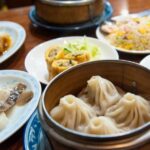
Dim sum is where the tour slows down in the best way: you get to eat something that’s both snackable and satisfying. The stop is Delicious Dim Sum, where you’ll try homemade dim sum. That matters because dim sum is one of those categories where the experience changes depending on how it’s made and served.
I love that this stop isn’t random. It’s positioned mid-tour as a reset—enough food to keep you energized, but not so heavy that you feel stuck for the final stretch. The timing also helps you digest the history stops you’ve just heard. You’re walking and learning, then you eat. Then you keep walking with fresh energy.
If you’re picky about trying new foods, dim sum can still be a good fit because you can often choose what to go for when you’re there. Even if your exact items are guided by the tour’s set plan, the point is that you’re tasting authentic Chinese cuisine in a real local setting, not just eating from a display case.
The Fortune Cookie Factory finale: how the paper fortune gets made
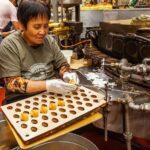
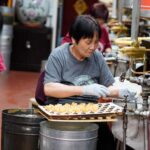
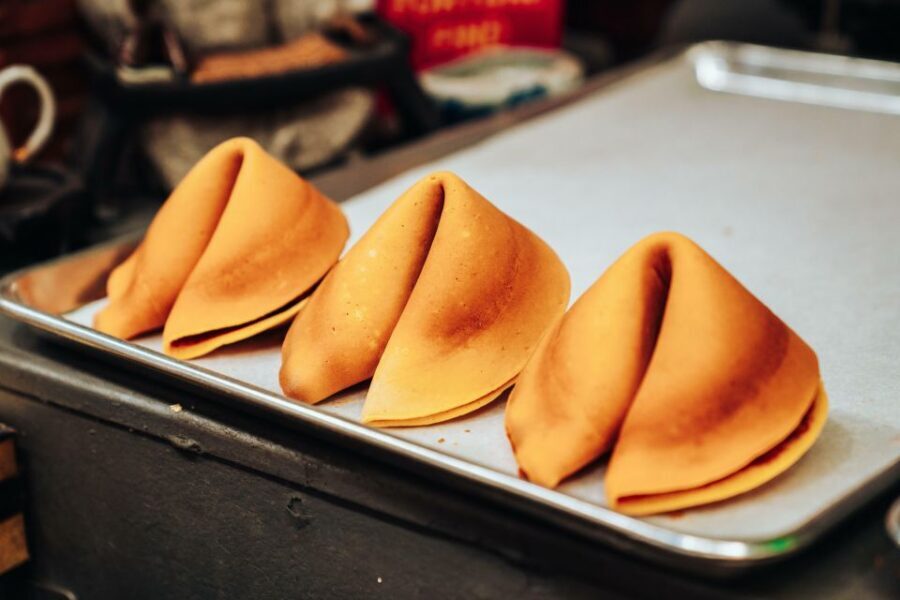
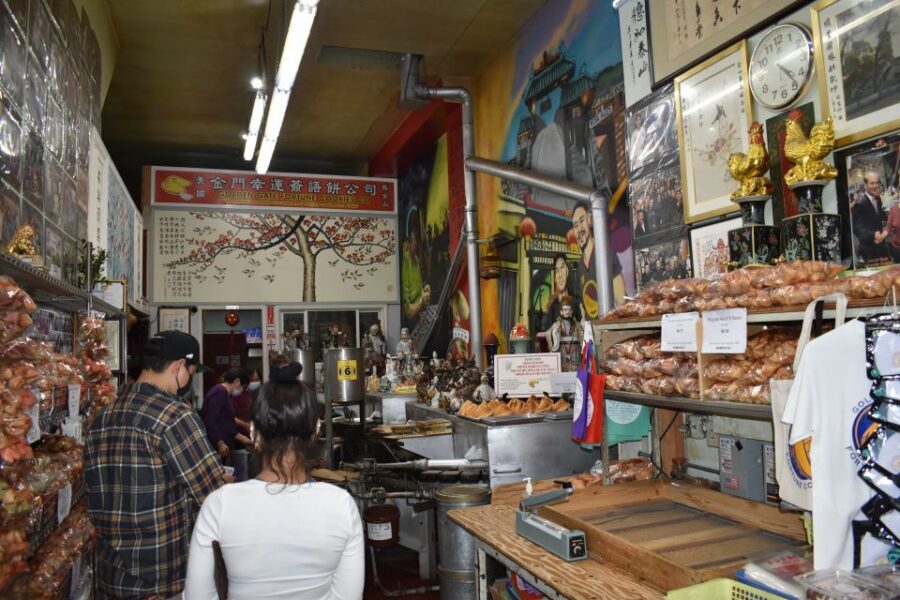
The tour ends at a Fortune Cookie Factory, where you’ll taste a fortune cookie and learn about the cooking techniques. You’ll also get the historical significance of fortune cookies—how this sweet little item became linked with luck and what it represents in the broader cultural story.
This finale works well because it’s visual and interactive. You can see how the cookie is prepared, which is half the fun. For a lot of people, the fortune cookie is a novelty. Here, it turns into something more interesting: a food tradition with a process you can actually understand.
Practical advice: keep your expectation simple. A fortune cookie is a small bite. Don’t treat it like a full meal. Treat it like the last chapter—fun, memorable, and easy to take home in your camera roll and your brain.
Price and value: is $85 worth 150 minutes and multiple tastings?
At $85 per person for about 150 minutes, the value depends on what you want out of Chinatown. If your plan is to wander on your own and just grab snacks, you’ll spend less on paper but you’ll miss key context and ordering direction.
This tour earns its price in three ways:
- You get a professional local guide who connects sights to history and present-day authenticity.
- You get multiple specific food moments: cookies or pork buns (availability-dependent), dim sum at Delicious Dim Sum, and a fortune cookie at the factory.
- It’s a small group up to 12, which usually means more time at stops and better Q&A.
You’re paying for both meals and explanation. If you love eating your way through a neighborhood but also want the “why,” this is one of the smoother ways to do it without spending your whole day researching first.
Who this walking tour suits best (and who should think twice)
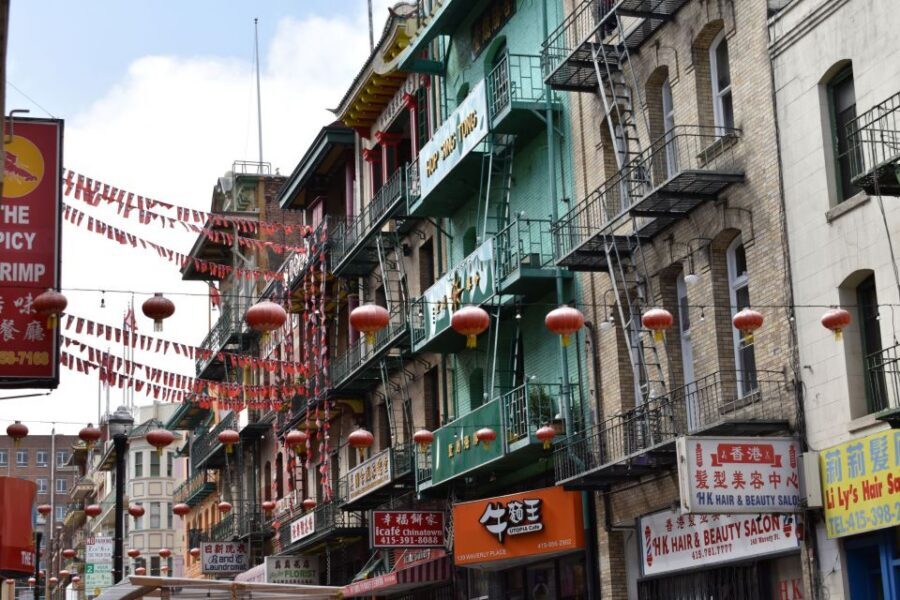
This is a great fit if you:
- Want to see Chinatown’s most famous sights plus quieter spots tied to its story
- Like learning history in motion, not in a museum chair
- Care about authenticity and want the food stops to feel intentional
It’s also a solid choice if you’re traveling with someone who wants a mix of culture and food. The tour has enough variety—architecture, cathedral history, a Gold Rush origin point, dim sum, and a cookie factory—that it doesn’t feel like one long line of eating.
The main “think twice” situation is simple: if you dislike walking, this won’t match your pace. Since the itinerary keeps moving for about 150 minutes, you’ll want comfortable shoes and a steady tolerance for urban strolling.
Should you book San Francisco’s Chinatown Food and History Walking Tour?
Yes, I’d book it if you want Chinatown to feel organized. The combination of Dragon’s Gate orientation, history stops like Old Saint Mary’s Cathedral and Portsmouth Square, and real food tastings (including dim sum and fortune cookies) makes this more than a snack walk.
If you’re just hunting for the cheapest bites, you might skip it. But if you want your time to feel efficient—eating local food while understanding what you’re looking at—this tour is a strong pick, especially in a small group.
FAQ
FAQ
Where do I meet the tour guide?
Meet in front of the Starbucks cafe located in front of Dragon’s Gate. The guide will be wearing a Gray Line San Francisco uniform.
How early should I arrive?
Please arrive 15 minutes before the activity starts.
How long is the tour?
The tour duration is 150 minutes.
How big is the group?
It’s a small group experience with up to 12 people.
What food will I try?
You’ll taste traditional Chinese cookies or traditional pork buns (subject to availability), have dim sum at Delicious Dim Sum, and taste a fortune cookie at the Fortune Cookie Factory. At Eastern Bakery, tea of your choice is part of the cookies or buns tasting.
Is the tour in English?
Yes, the live tour guide provides the tour in English.
Is hotel pickup included?
No, hotel pickup and drop-off are not included.
Is there free cancellation?
Yes. You can cancel up to 24 hours in advance for a full refund.