REVIEW · SAN FRANCISCO
Silicon Valley Tour from San Francisco Private
Book on Viator →Operated by A Taste of SF Tours · Bookable on Viator
The tech story feels real when you’re driving the roads. This private Silicon Valley tour strings together major headquarters, the Computer History Museum, and Stanford in one smooth day. I like that it’s fully private for up to six people, and I also like the tight mix of brand-new sites and early innovation landmarks. One thing to consider: it’s a full day with lots of photo stops, so if you want long, slow museum time everywhere, you’ll need to choose your pace.
You’ll start with round-trip pickup from your San Francisco hotel or nearby spot, then roll south with a guide who ties the companies together. In particular, the tour format gives you short, high-impact stops at places like Google and Apple, plus a real 1-hour window at the Computer History Museum (open Wed–Sun, 10am–5pm). The main drawback is timing: museum hours can matter, and some shops or visitor areas have limited days.
If you’re into tech, this is the kind of day that helps the headlines make sense. I’ve seen guides like Randy and Kirill Sobolev praised for the way they connect inventions, business decisions, and the wider culture of the Valley. Just remember you’ll be on the move most of the day, with lunch as a mid-day reset rather than a full sit-down plan.
In This Review
- Key Highlights Worth Clapping For
- A Private Silicon Valley Day That Actually Feels Like One Story
- Getting Picked Up in San Francisco (And Why That’s a Big Deal)
- Stop 1: Oracle Headquarters in Redwood Shores
- Stop 2: Meta Campuses in Menlo Park
- Stop 3: Googleplex and the “Gradient Canopy” Visitor Experience
- Stop 4: Computer History Museum (The One You’ll Thank Yourself For)
- Stop 5: NASA Ames Visitor Center (Quick Pass + Gift Shop Time)
- Stop 6: Apple Park Visitor Center and the Observation Deck Views
- Listening to the Steve Jobs Home Story (A Short, Focused Moment)
- Stop 7: Hewlett Packard Garage, the Silicon Valley Birthplace Moment
- Stop 8: Palo Alto Lunch on University Avenue
- Stop 9: Stanford University Main Quad and Key Landmarks
- Value Check: Is $1,099 Worth It?
- What Makes the Guides Matter (Randy and Kirill’s Style)
- Who This Tour Fits Best
- Should You Book This Silicon Valley Tour?
- FAQ
- What is the price and group size for the Silicon Valley private tour from San Francisco?
- What time does the tour start, and how long will it take?
- Is hotel pickup and drop-off included?
- Which stops have included admission?
- Is lunch included in the tour price?
- What should I know about the Computer History Museum hours?
Key Highlights Worth Clapping For
- Private, up-to-6 format that keeps the day flexible and personal
- Hotel pickup and drop-off that saves you the hassle of commuting
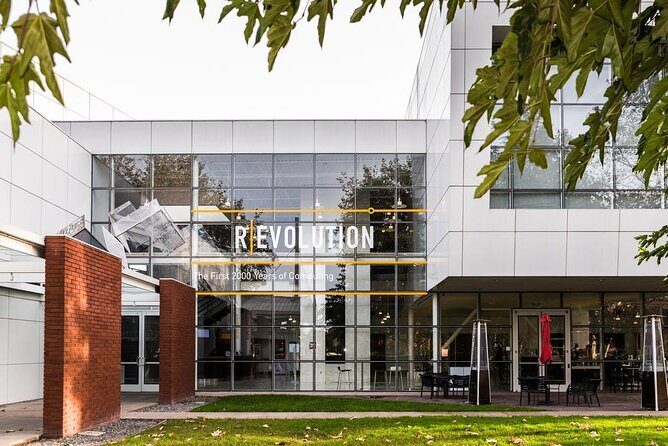
- Computer History Museum with included admission and a full hour on-site
- Apple Park Visitor Center with a shop that sells items only there
- Stanford University time for the Main Quad, Memorial Church, and several key buildings
- Short photo stops at Oracle, Meta, Google, and more, so you see the famous places fast
A Private Silicon Valley Day That Actually Feels Like One Story
Silicon Valley can feel like a random pile of logos if you visit on your own. This tour avoids that problem by treating the day like a guided narrative: first the earlier leadership and engineering culture, then the big platforms, and finally the institutions that keep feeding ideas forward. You get a logical flow from Redwood Shores to Menlo Park, then down to Palo Alto and Stanford.
The private setup matters more than it sounds. With a group size capped at six, you’re less likely to feel rushed or lost in the shuffle. You can ask questions, request a quick extra photo moment, and generally move at a human pace. It’s also a practical win if your group includes different interests—one person might want architecture and signage, another wants the tech evolution, and you can usually satisfy both without turning the day into a tug-of-war.
Cost-wise, the price is listed per group: $1,099 for up to six. That can be a strong deal if you split it, especially because pickup, water in the vehicle, and museum admission are included. If you’re traveling solo, it may feel steep, but if you’ve got a small family or a tech-minded trio plus a couple friends, it starts to look more like “buy convenience and expert routing” than “pay for seats.”
You can also read our reviews of more private tours in San Francisco


Getting Picked Up in San Francisco (And Why That’s a Big Deal)
You start at 9:00am, and pickup is available from any hotel or other residence in San Francisco, plus anywhere between San Francisco and Silicon Valley. That door-to-door part is huge because Silicon Valley locations are spread out, and public transit won’t make this kind of day easy.
You’ll also get water in the vehicle, and the tour runs in English. A mobile ticket is provided, and you’ll come back to the same general meeting point at the end of the day. The schedule is built for a full day—think about 8 to 10 hours—so you’ll want to eat breakfast and plan for a longer stretch between meals.
Smart casual is the suggested dress code. Nothing fancy required, but you’ll be walking at multiple stops, including outside viewing areas, so comfortable shoes help you stay happy.
Stop 1: Oracle Headquarters in Redwood Shores
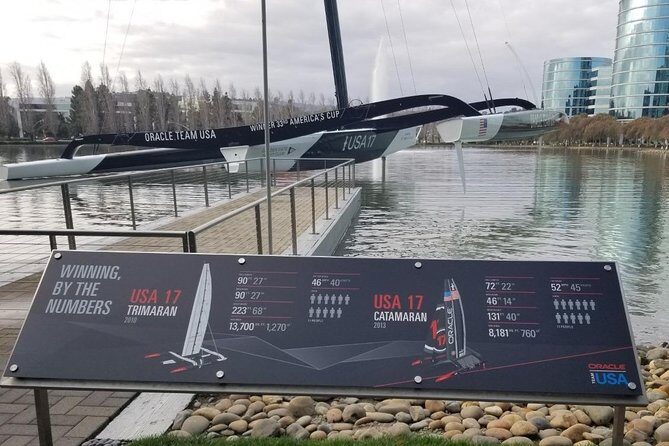
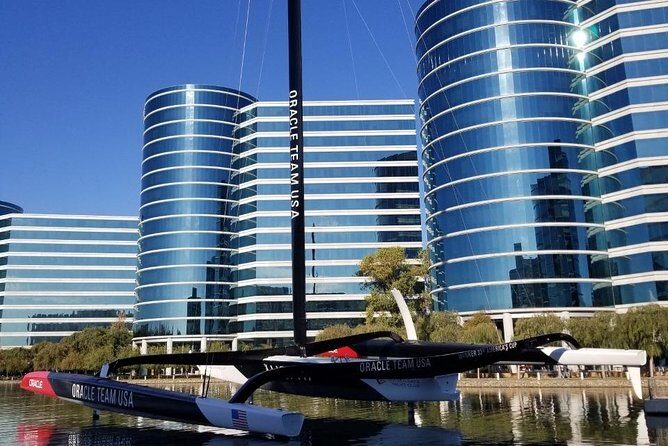
Your first tech icon is the Oracle Headquarters at 500 Oracle Pkwy in Redwood Shores. This is where you’ll see the office setting tied to Larry Ellison’s famous comeback story with the America’s Cup returning home after 15 years. The stop is short—about 15 minutes—but it sets an early tone: Silicon Valley isn’t only about gadgets, it’s also about ambition, engineering, and high-stakes bets.
Photo-wise, you’ll get a chance to take in the “emerald city” styling and the well-known trimaran connection tied to Ellison. Since this is a quick stop, treat it like a reset button: look, take your bearings, then get back on the road.
Potential consideration: because it’s time-boxed, you may not get a long, slow wander around the grounds. If you want to linger, you’ll likely have to rely on your guide’s timing and the day’s flow.
Stop 2: Meta Campuses in Menlo Park
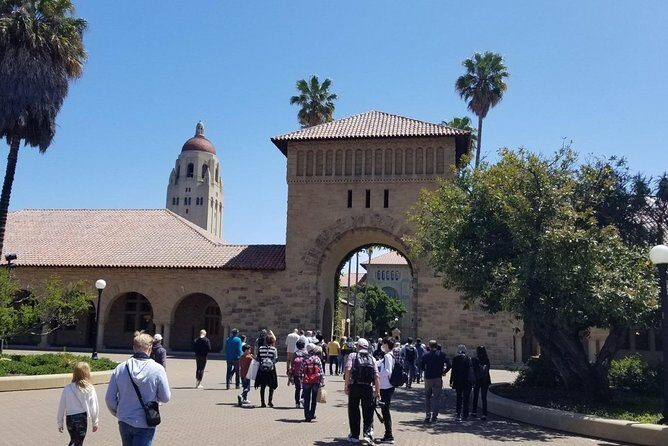
Next up is Menlo Park, where you’ll see two Facebook campuses: the newer site (MPK20) and the older one that used to be the Sun Microsystems campus. A fun detail is the reasoning behind why the Sun logo shows up on the back of the Facebook sign, tying branding changes to the Valley’s reuse of real estate and legacy tech culture.
This stop is about 20 minutes, and it’s built for quick context plus photos. It’s the kind of place where you’ll notice how campuses can change while the tech identity stays linked to the same geographic ecosystem.
One practical tip: bring your camera habits. This is a “grab the shot and move” day, so if you like posed group photos or clean angles, you’ll enjoy having a guide time it.
Stop 3: Googleplex and the “Gradient Canopy” Visitor Experience
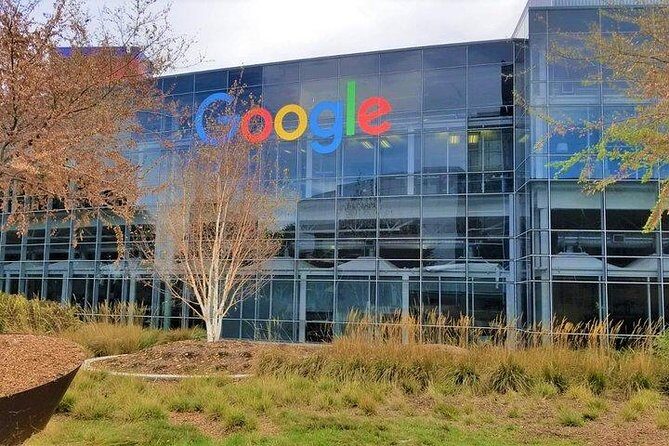
At Googleplex, you’ll get classic photo opportunities with Androids, dinosaur, and Google signage, plus time at the Google Visitor Experience Center in the “Gradient Canopy” building. This is also the most shopping-friendly stop so far: you can buy Pixel, Nest devices, phones, tablets, watches, speakers, and Google merch.
This part is allotted 40 minutes. That’s enough time to do three things without panic: take photos, walk through the visitor area, and browse products. The inclusion of the shopping element is smart because it gives you an optional activity that doesn’t require extra ticket planning.
The only “watch the clock” moment here is that you’re balancing Google time with the bigger museum and campus blocks later. If you see something you want to buy, plan your browsing earlier so you’re not rushing when the day gets tight.





Stop 4: Computer History Museum (The One You’ll Thank Yourself For)
Now comes the anchor of the day: the Computer History Museum. You’ll visit for about 1 hour, and admission is included. This is where the tour stops being “look at buildings” and becomes “understand how computing got here.”
The museum’s selling point is broad: exhibits that show how the computer field developed over the years, plus you can find artifacts that connect to whatever computing era matters to you personally. One reviewer specifically called the museum a must, noting that they even spotted the first computer they’d seen from the 1980s. That’s the kind of payoff you can’t get from photos outside a headquarters.
Important planning detail: the museum is open Wednesday to Sunday, 10am to 5pm. If your visit day falls outside that window, timing could affect how well this stop fits the day’s schedule. Make sure you match your travel dates to the museum’s open days so you don’t miss the best part.
Stop 5: NASA Ames Visitor Center (Quick Pass + Gift Shop Time)
You’ll pass by NASA Ames Research Center and get a short visit around the NASA Ames Visitor Center area. The stop is about 15 minutes—not a full science center day, but enough to take in the space-industry atmosphere.
You can also visit the NASA gift shop. It’s noted as open Monday to Friday, so if your trip lands on a weekend, you might find it closed even if you still get the area visit.
This stop works well as a palate cleanser between company campuses. It nudges the day toward “how research and engineering culture show up in public life,” not just consumer tech.
Stop 6: Apple Park Visitor Center and the Observation Deck Views
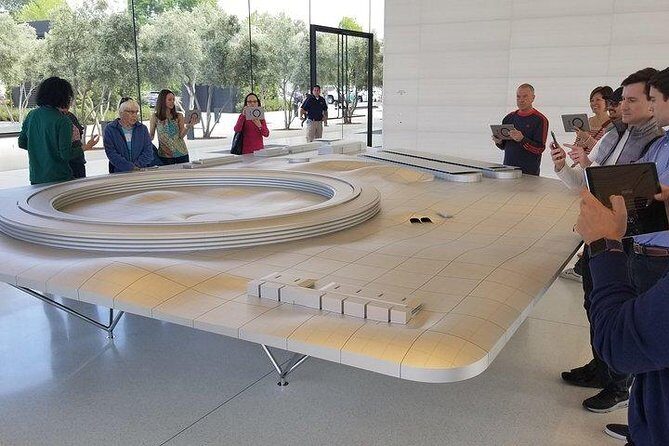
Apple Park is next, and this is one of the most visually satisfying stops on the route. You’ll visit the Apple Park Visitor Center and store, which is a special place for Apple-themed souvenirs—this shop is described as selling Apple products and souvenirs sold only here.
You’ll also get coffee time, and from the observation deck you can see the new Apple headquarters. That’s a solid mix of food, photos, and viewpoint.
This stop is about 30 minutes. If you’re a slower photographer, you’ll still be fine; if you’re a “store first” shopper, start inside right away so you don’t end up racing the deck view at the end.
Potential drawback: Apple Park is famous, which can mean you’re sharing space with other groups depending on the day. The private tour format helps, but it doesn’t change the fact that it’s a popular destination.
Listening to the Steve Jobs Home Story (A Short, Focused Moment)
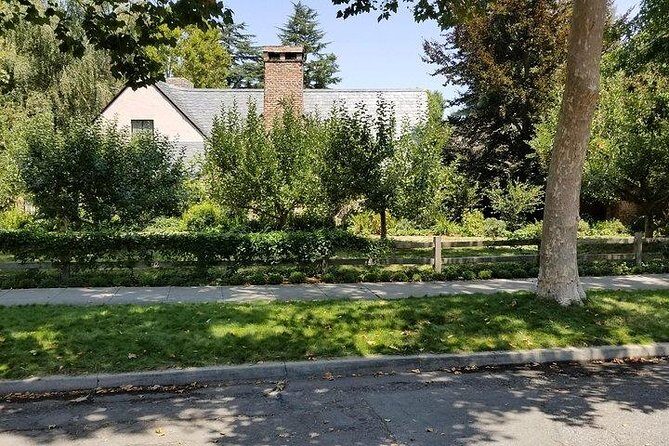
Between the big stops, the tour includes a pass by the home of Steve Jobs and a story about Apple. This isn’t described as a long visit, more like a guided connection point that links the brand you see today to the early personal choices and mindset around it.
These short narrative moments are easy to overlook on a schedule like this, but they help the day feel connected rather than assembled.
Stop 7: Hewlett Packard Garage, the Silicon Valley Birthplace Moment
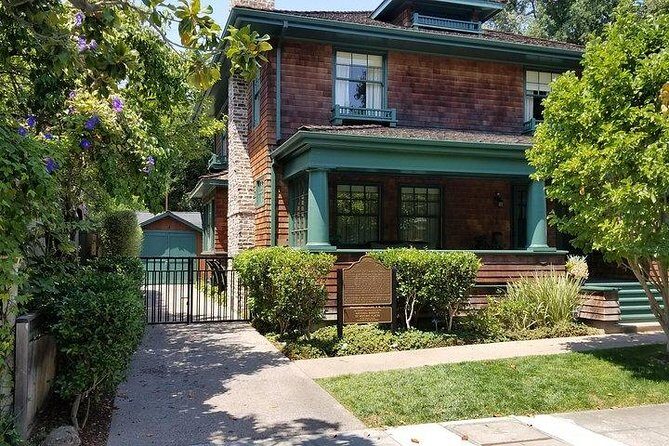
You’ll make a short stop at the Hewlett Packard Garage—about 10 minutes—for photos in front of the garage where Hewlett and Packard created their first oscillograph. The tour frames this as a key “birthplace of Silicon Valley” type moment.
This is one of those stops that works best if you’re open to small, symbolic places. Even though it’s brief, it gives you a grounded starting point for why the Valley became the Valley at all: tinkering, engineering, and building tools that let other people build.
If you’re the type who likes “the exact place where it began,” this short stop will land more than you’d expect.
Stop 8: Palo Alto Lunch on University Avenue
For lunch, you’ll head to Palo Alto, with about 45 minutes for food on University Avenue. Lunch isn’t included, but the way the stop is planned gives you choices in the immediate area rather than locking you into one restaurant.
This is a good time to reset. You’re coming off Google and the tech circuit, so a real sit-down meal—even if it’s quick—helps you keep energy for Stanford.
Practical note: because this is a fixed-time lunch block, you’ll want a plan when you get there. Look at menu options quickly and commit, so you’re not stuck deciding while the clock eats your time.
Stop 9: Stanford University Main Quad and Key Landmarks
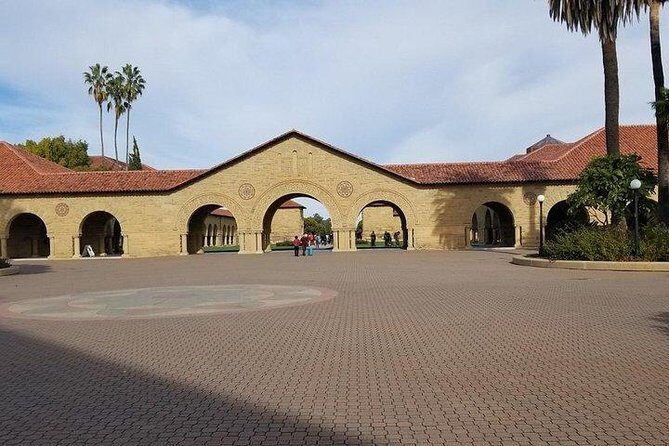
You’ll spend about 2 hours at Stanford University, including stops around the Main Quad and historic academic areas. The list of featured spots includes:
- Memorial Church of All Religions
- William Gates Computer Science Building
- David Packard Electrical Engineering Building
- Athletic facilities
- Rodin Sculpture Garden
- Cantor Arts Center
- Books and Souvenirs store
This portion is valuable because it connects the tech companies you saw earlier with the bigger engine behind the Valley: education, research, and talent pipelines. Even if you don’t go deep into academic history, the buildings and landmarks make it easier to understand why so many tech narratives keep looping back to places like Stanford.
You’ll appreciate this stop if you like architecture, outdoorsy photo moments, and a more “human-scale” campus setting after corporate campuses.
Possible consideration: Stanford is big, and the tour keeps it to a two-hour window. It’s enough for the highlights, but if you’re hoping to explore every corner, you’ll probably want to schedule your own extra time on a separate day.
Value Check: Is $1,099 Worth It?
Here’s how I think about value for this tour.
You’re paying for four things:
- Private routing and timing across multiple distant stops
- Hotel pickup and drop-off (saving you the effort of coordinating rides)
- Admission included at the Computer History Museum
- Time-efficient access to major tech icons and Stanford landmarks
If you split the group cost—up to six—this can feel reasonable, especially since the included museum admission is a meaningful chunk. Also, a private tour often reduces stress. You’re not searching for parking, guessing transit times, or trying to figure out which visitor center takes walk-ins.
The potential downside is that the day is structured with short stops for many big-name sites. If your ideal day is slow and detailed, you might wish some locations had more time. Still, the museum stop is a full hour, and Stanford gets two hours, which balances the quicker corporate photo moments.
What Makes the Guides Matter (Randy and Kirill’s Style)
The human factor is a big part of whether this kind of tour feels like a checklist or a story. The guides you might get are praised for clarity and for connecting what you see to why it happened.
For example, Randy is mentioned as giving plenty of information during the ride and making the day feel engaging even while the vehicle is moving. Another guide mentioned is Kirill Sobolev, who’s described as a strong communicator with broad knowledge across history, social changes, technology, and how the companies interact. That’s the kind of guidance that helps you remember more than just the names on buildings.
If you ask questions—about the tech, the culture, or why campuses changed—you’ll likely get more value from the day.
Who This Tour Fits Best
This is a great match if you:
- Want an efficient full-day snapshot of major Silicon Valley touchpoints
- Prefer private, small-group pacing
- Care about both “big company now” and “how computing evolved”
- Like Stanford’s mix of academics, landmarks, and photos
It may be less ideal if you:
- Want long, unhurried time inside each headquarters or shop
- Are traveling with very young kids who struggle with frequent stops (children must be with an adult, and the day is packed)
Should You Book This Silicon Valley Tour?
Book it if your goal is a well-paced tech-and-campus day that covers the most important spots without the planning headache. I’d especially recommend it on days when you can get to the Computer History Museum during open hours (Wednesday to Sunday, 10am–5pm). The museum stop is the part that tends to stick with people long after the logos fade from memory.
Skip or adjust your expectations if you want a slow travel style. This day is designed for movement and photo moments, with the longer time reserved for the museum and Stanford. If that sounds like your speed, this is a smart, efficient way to understand Silicon Valley in a single day.
FAQ
What is the price and group size for the Silicon Valley private tour from San Francisco?
The price is $1,099 per group, and the tour accommodates up to 6 people.
What time does the tour start, and how long will it take?
The tour starts at 9:00am and runs for about 8 to 10 hours.
Is hotel pickup and drop-off included?
Yes. Hotel pickup and drop-off are included, and pickup can be arranged from any hotel or residence in San Francisco or any other place between San Francisco and Silicon Valley.
Which stops have included admission?
The Computer History Museum has admission included. Other listed stops note admission tickets as free.
Is lunch included in the tour price?
No. Lunch is not included. You’ll have about 45 minutes for lunch in Palo Alto.
What should I know about the Computer History Museum hours?
The Computer History Museum is open Wednesday to Sunday, 10am to 5pm.