REVIEW · SAN FRANCISCO
San Francisco Chinatown Food Tour
Book on Viator →Operated by Sidewalk Food Tours · Bookable on Viator
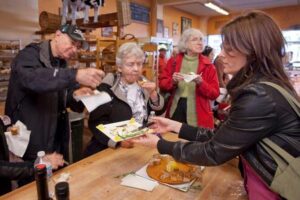
Chinatown tastes better with a plan. This small-group walk turns San Francisco’s Chinatown into a living story, with short landmark stops and five tastings that add up to an actual meal. You start at Grant Avenue and finish a couple blocks away in Stockton, all while your guide stitches together food, faith, and neighborhood history.
I like how the tour gives you enough to stay satisfied, without turning it into a rushed snack sprint. I also like the people factor: the max group size is 12, so the walk feels easy to follow and you can get answers about what you’re eating.
One thing to consider: this is food-heavy, and the early portions can hit hard if you’re not a big eater. If you prefer lighter meals, consider bringing a small takeaway bag and pacing yourself at each stop.
In This Review
- Quick hits you’ll care about
- Price and logistics: what $99 buys you in real terms
- Where you start (Grant Ave) and how the walk fits together
- Portsmouth Square: the calm start before the food barrage
- Old St. Mary’s Cathedral: a proto-cathedral moment in a tight neighborhood
- Tin How Temple: Taoist roots and the story behind Mazu
- Fortune cookies at Golden Gate Fortune Cookies Co: the small kitchen show
- New Hollywood Bakery: cha siu buns and why this stop works
- Xian House of Dumplings: handmade noodles and the comfort-food core
- House of Dim Sum and Grant Place Restaurant: variety and Hong Kong-style favorites
- AA Bakery & Cafe: Hong Kong-style egg tarts, flan-like smoothness
- How to handle the pace and the amount of food (so you enjoy it)
- Guides and group size: why the storytelling lands
- Who should book this Chinatown food tour?
- Should you book? My call
- FAQ
- What is the duration of the San Francisco Chinatown Food Tour?
- How much does the tour cost?
- How many tastings are included?
- Where do I meet the tour, and when does it start?
- Where does the tour end?
- What’s included in the tour price?
- Is there a vegetarian option?
- How big is the group?
- Is free cancellation available?
Quick hits you’ll care about
- Five tastings that feel like lunch, not tiny samples
- Max 12 people, so the route doesn’t turn into a herd
- Temple and cathedral stops like Tin How Temple and Old St. Mary’s
- Fortune cookie bakery visit with a look at how they’re made
- A route that ends on Stockton, convenient for continuing sightseeing
Price and logistics: what $99 buys you in real terms
At $99 per person for about 3 hours, this tour sits in the sweet spot where you’re paying for (1) a guide who narrates the neighborhood and (2) a structured sequence of places you might skip on your own. You also get bottled water plus a city map, which is small but genuinely useful when you’re walking Chinatown streets with a lot going on.
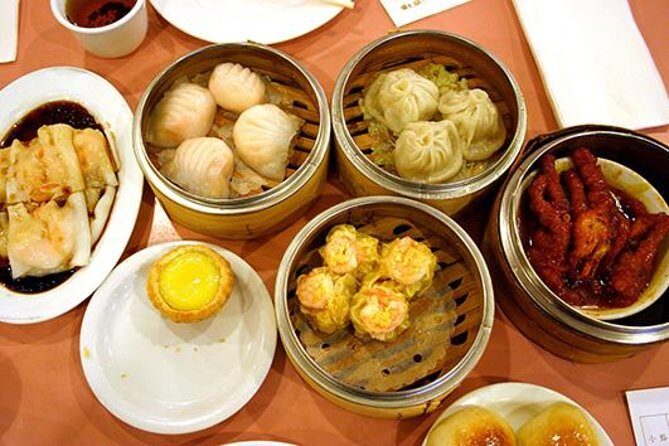
The bigger value is that the food isn’t random. The tastings are spread across bakeries, dumpling spots, and dim sum-style stops so you taste different styles rather than repeating one theme. The route includes admission tickets at the listed stops too, which helps justify the guided format.
You can also read our reviews of more food & drink experiences in San Francisco
Where you start (Grant Ave) and how the walk fits together
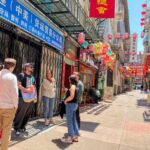
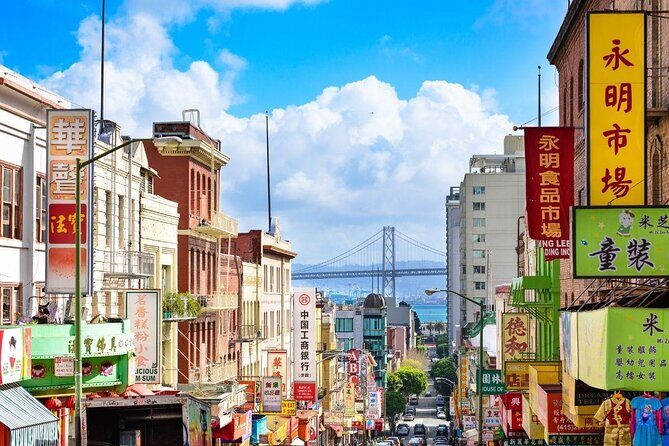
You’ll meet at 1066 Grant Ave at 10:00 am, then follow a mainly walkable loop through Chinatown landmarks. The tour ends at 1068 Stockton St, so you’re not stuck retracing your steps. This matters because Chinatown is dense: having the end point in advance helps you plan what you do next—coffee, dessert, a museum stop, or just more wandering.
The tour is designed around short, focused stops (about 15 minutes each) so you don’t lose the thread. If you’ve done other food tours that feel like long lines and long waits, this one aims for steady flow: look, taste, walk, repeat.
Portsmouth Square: the calm start before the food barrage
The tour begins at Portsmouth Square, a one-block park in Chinatown. It’s a good “orientation” stop because it gives you a sense of how the neighborhood is organized and how people gather. Think of it as the warm-up: you’re not eating yet, but you’re getting grounded in the area’s layout and atmosphere.
This first stop is also helpful if you arrive a little unsure of where you are. The guide’s talk sets context fast, which makes the rest of the walk easier to understand.
Old St. Mary’s Cathedral: a proto-cathedral moment in a tight neighborhood
Next comes Old Saint Mary’s Cathedral at the corner of California Street and Grant Avenue. It’s not just a photo stop. The point here is contrast: religious architecture and community space inside a neighborhood famous for commerce and food.
If you like seeing how different cultural communities overlap in San Francisco, this stop gives you a clearer picture of how Chinatown is more than just restaurants. You’ll get a quick orientation in how the neighborhood has evolved and why major landmarks ended up where they did.
Tin How Temple: Taoist roots and the story behind Mazu
Then you reach Tin How Temple, described as the oldest extant Taoist temple in San Francisco’s Chinatown and dedicated to Mazu, the Chinese sea goddess known as Tin How in Cantonese. This is one of those stops where the setting does half the work: you’re surrounded by the kind of symbolism that’s hard to replicate on a normal street walk.
Practical note: the tour includes admission tickets, but access can depend on what the site allows at the time. If you see signage about limited public entry, don’t panic. The guide can still explain the meaning and history around what you’re seeing.
You can also read our reviews of more tours and experiences in San Francisco
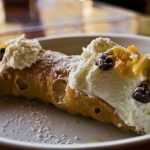
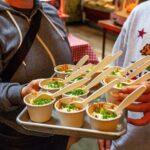
Fortune cookies at Golden Gate Fortune Cookies Co: the small kitchen show
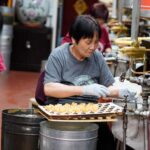
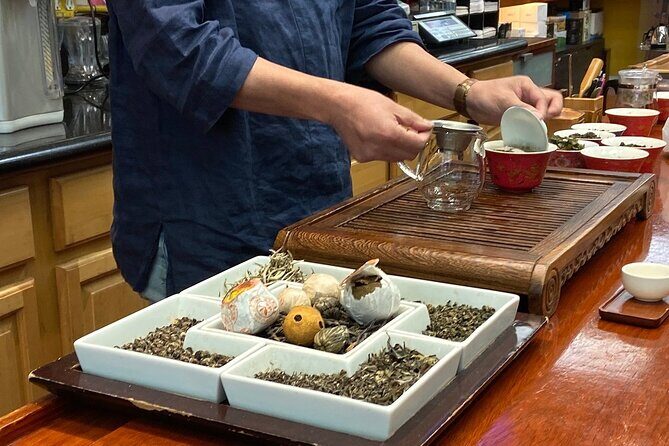
After temples and architecture, the tour shifts to something more playful: Golden Gate Fortune Cookies Co. The bakery’s setup includes a tiny open kitchen, and there are free tours available there. Even if you’ve had fortune cookies before, seeing how they’re made changes the experience. It turns a mass-market snack into a craft.
This stop is also smart timing. It gives you a lighter mood break before more food-heavy tastings. Plus, fortune cookies fit Chinatown as a theme: part tradition, part entertainment, part snack.
New Hollywood Bakery: cha siu buns and why this stop works
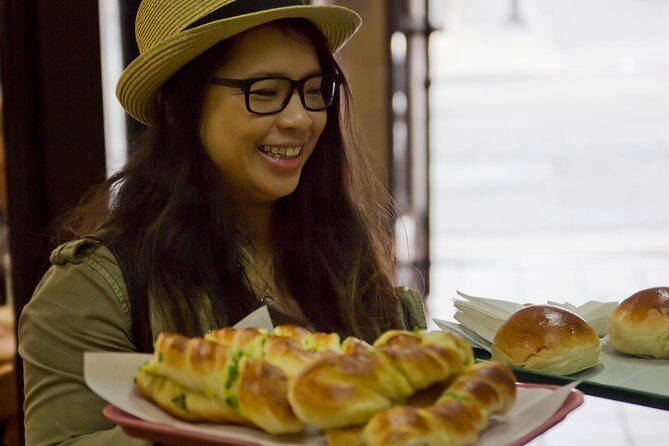
Next up is New Hollywood Bakery, known for light, buttery buns filled with barbecue-flavored cha siu pork. This is one of the tastings that tends to satisfy almost immediately because it’s warm, savory, and portable. It also gives you a clear taste of Cantonese-style roast flavors and how bakeries anchor daily life in Chinatown.
If you’re someone who wants a “here’s what Chinatown is to eat” moment early in the tour, this is a strong one. Just watch your pace: buns are delicious, but they add quick calories and fill you fast.
Xian House of Dumplings: handmade noodles and the comfort-food core
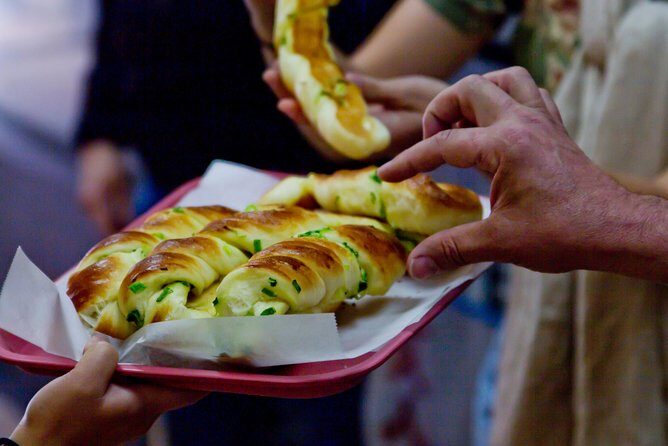
Then you hit Xian House of Dumplings, where the focus is on handmade noodles and dumplings in the Chinese tradition. This stop is a turning point because dumplings and fresh noodles feel like real cooking, not just grab-and-go.
When a tour balances bakeries with dumpling-focused food, it gives your palate range. You get softness, chew, savory fillings, and the kind of texture you don’t get from many other street-food styles.
House of Dim Sum and Grant Place Restaurant: variety and Hong Kong-style favorites
The next stretch is dim sum territory, starting at House of Dim Sum, framed as one of the best dim sum options in San Francisco’s Chinatown. Dim sum is its own language—small portions, big variety, and flavors that reward you for paying attention. A guided tasting helps because you’re not trying to decode a menu while hungry.
After that, you visit Grant Place Restaurant, a local favorite for Hong Kong-style dim sum and Chinese specialties. This stop is where the tour shows you the difference between Cantonese comfort and the broader Chinatown menu ecosystem. If you’ve ever thought dim sum is just for brunch, this part nudges you toward seeing it as a flexible meal culture.
AA Bakery & Cafe: Hong Kong-style egg tarts, flan-like smoothness
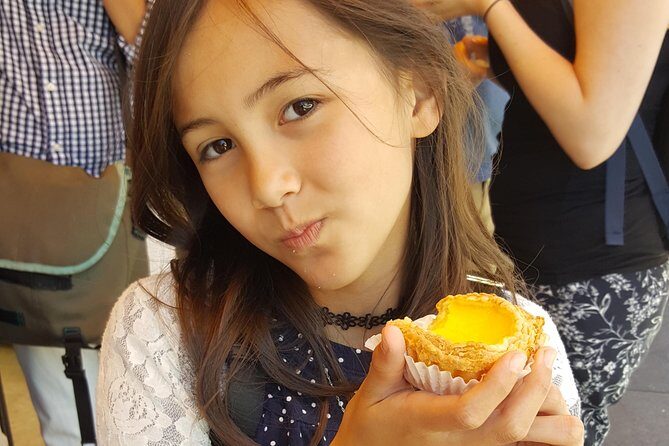
Finally, the tour ends with a pastry that’s almost unfair in its simplicity: AA Bakery, known for freshly made, out-of-the-oven Hong Kong-style egg tarts. They’re cooked to a smooth, flan-like perfection with a buttery, flaky crust.
This is the kind of stop that works even if you’re full—because it’s not heavy in the same way as meat or bread. Still, keep expectations realistic: if you’ve eaten steadily through multiple savory tastings, dessert can feel like a lot. Plan for that by taking small bites and saving any extra for later.
How to handle the pace and the amount of food (so you enjoy it)
This tour includes five tastings and enough food for a meal, but the walking plus multiple savory stops can still feel like a lot. The biggest factor isn’t just volume—it’s timing. If you’re sensitive to eating early, you’ll likely feel the heaviest portion soon after you start tasting.
Here’s how to make it enjoyable:
- Bring a small container or a bag for extras if you’re the type who likes leftovers
- Sip water between stops, not only at the start
- Slow down at the tastings, even if the line is moving—Chinatown rewards attention
Also, if you have a dietary preference, this tour specifically notes a vegetarian option available if you advise at booking. That’s a big deal for peace of mind. And if you have allergies, mention them ahead of time so the guide can steer you safely.
Guides and group size: why the storytelling lands
The tour caps at 12 travelers, which changes everything about the experience. You’re not shouting over each other. You can hear the guide. You can ask a question without being rushed.
The guide style is a core part of the value. Multiple guides associated with this tour are praised for combining food with clear neighborhood storytelling—everything from temple meaning to the origins of Chinatown’s restaurant culture. You’ll also get practical recommendations as part of the walk, which helps you leave with more than a full stomach.
Who should book this Chinatown food tour?
You’ll probably love this tour if you want:
- A guided way to eat your way through Chinatown without guessing where to go
- A balance of landmarks + food, not just a restaurant hop
- A group size that stays small and personal
It’s also a good fit for locals who want to see their own neighborhood with sharper context, especially if you’ve walked Chinatown before but never tied it to what’s behind the storefronts.
Should you book? My call
Book it if you want a structured, satisfying Chinatown meal with real variety, plus quick cultural stops that make the neighborhood make sense fast. At $99, you’re paying for guidance, admissions, and food that adds up to lunch.
Skip or adjust expectations if you hate food-focused tours or know you get uncomfortable when you’re eating back-to-back tastings. In that case, plan lighter snacks beforehand and bring a takeaway bag so you can manage your pace.
FAQ
What is the duration of the San Francisco Chinatown Food Tour?
It lasts about 3 hours.
How much does the tour cost?
The price is $99.00 per person.
How many tastings are included?
The tour includes five tastings, with enough food for a meal.
Where do I meet the tour, and when does it start?
You meet at 1066 Grant Ave, San Francisco, CA 94133, and the start time is 10:00 am.
Where does the tour end?
The tour ends at 1068 Stockton St, San Francisco, CA 94108.
What’s included in the tour price?
Included items are food tastings, a local guide, a city map, and bottled water.
Is there a vegetarian option?
Yes. A vegetarian option is available if you advise at booking.
How big is the group?
The tour has a maximum of 12 travelers.
Is free cancellation available?
Yes. You can cancel up to 24 hours in advance for a full refund. If you cancel less than 24 hours before, there’s no refund.