
REVIEW · SAN FRANCISCO
San Francisco: Dumpling Cooking Class with 3-Course Dinner
Book on GetYourGuide →Operated by Eating with Edmund · Bookable on GetYourGuide
Dumplings become personal in three hours. This small-group class (up to 8) lets me love the hands-on technique and the way you actually leave with a recipe guide you can use at home. The one real catch is that it’s not suitable for children under 12.
I like how the evening starts with flavor before you touch dough. Chef Eddie (sometimes listed as Edmond) runs a patient, English-speaking session that builds skills fast: kneading, rolling thin skins, and making pleated shapes. You’ll then eat what you make as part of a full 3-course meal.
In This Review
- Key points to know before you go
- San Francisco Dumplings at 555 Fulton St: What You’re Really Paying For
- Meeting Chef Eddie in the Trader Joe’s Building Lobby
- Why the Blind Soy Sauce Tasting Sets Up the Whole Class
- Learning Dumpling Dough: Kneading That Actually Helps
- Rolling Thin Skins and Pleating Dumplings Without Panic
- Pork or Tofu Stuffing: Building Flavor From the Inside Out
- Making Your Own Secret Dipping Sauce
- Dinner Comes Together: Shanghainese Pork Belly Braise and Umami Power
- Red Bean Dessert: A Sweet Finish That Keeps It Traditional
- What to Expect in a 3-Hour Timeline (Without Feeling Rushed)
- Drinks and the $30 Wine Option: BYOB Keeps It Flexible
- Who This Dumpling Class Fits Best
- Price and Value: Is $135 Fair for This SF Night?
- Should You Book This Dumpling Class?
Key points to know before you go
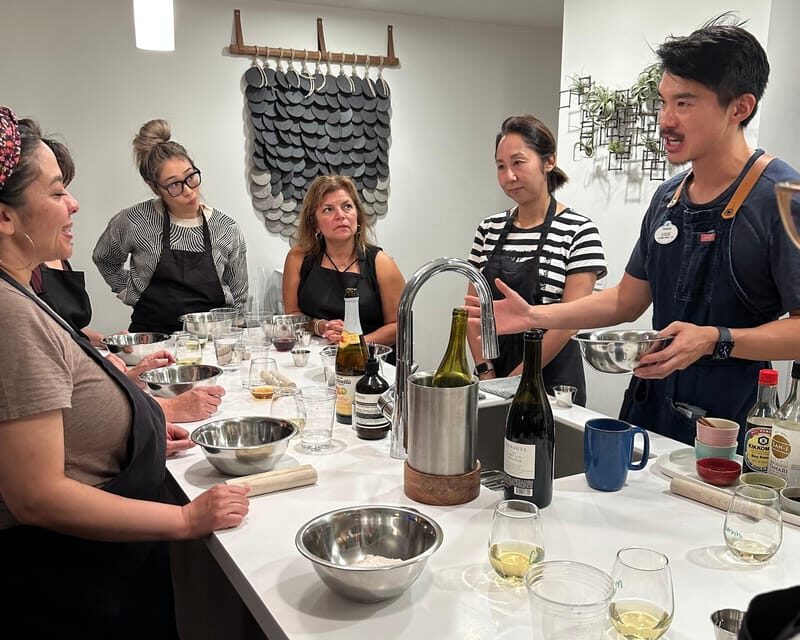
- Small group size (8 max) means you get hands-on attention while you learn pleating and skin rolling.
- Blind tasting of the chef’s soy sauce sets your palate before cooking, so the later dipping sauce makes more sense.
- You make dumplings and a secret dipping sauce instead of just watching or assembling.
- A pork belly braise with Shanghainese focus ties the class to real dumpling-and-sauce flavor logic.
- Red bean dessert is a satisfying finish, not an afterthought.
- BYOB is welcome (and wine is available for $30 a bottle if you don’t bring your own).
San Francisco Dumplings at 555 Fulton St: What You’re Really Paying For
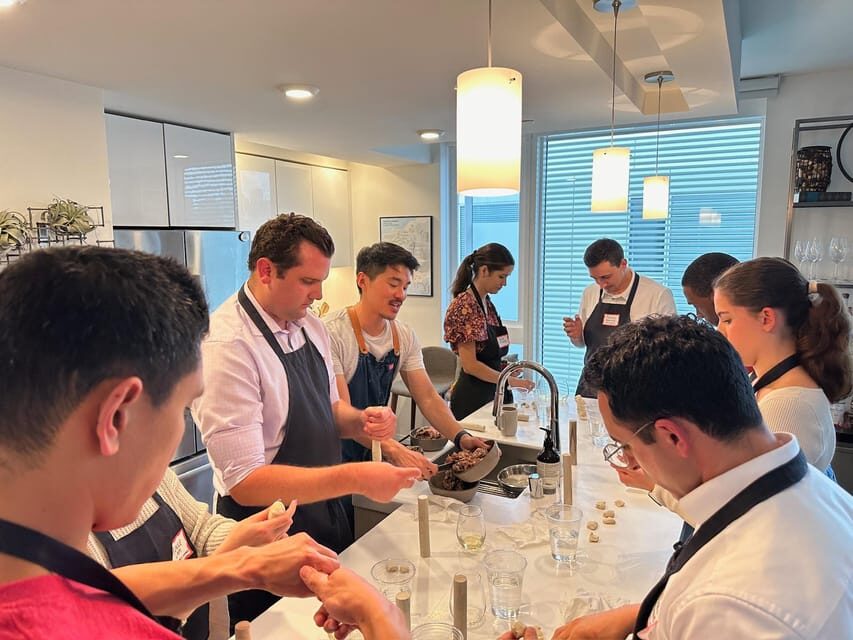
San Francisco has no shortage of food tours. This one feels different because it’s not just about eating. You’re there to learn a skill, then use it immediately. The price is $135 per person for a 3-hour evening that includes the ingredients, sauces, instructor time, a recipe guide, and a full 3-course dinner.
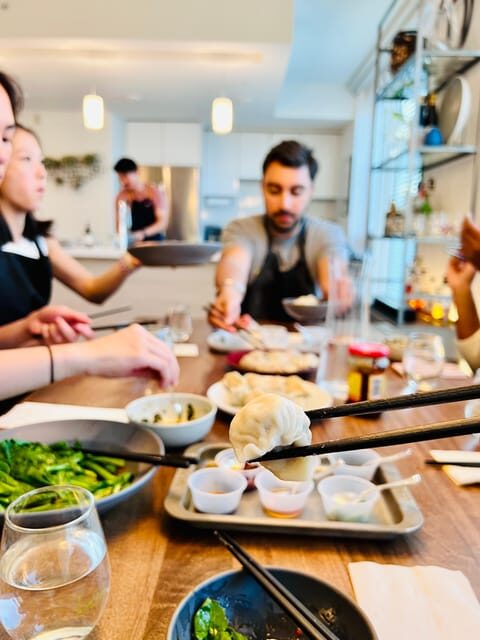
That matters because most cooking classes either (a) feed you but don’t teach much, or (b) teach you but leave you hungry. Here, you get the teaching and you sit down to the results. And the recipe guide is the practical part. It turns the class from a fun night into something you can repeat when you’re back home and want dumplings that actually match what you made in SF.
You can also read our reviews of more tours and experiences in San Francisco.



Meeting Chef Eddie in the Trader Joe’s Building Lobby
Your meeting point is the main lobby at 555 Fulton St. Chef Eddie greets you there in the building lobby starting about 5 minutes before the start time, so show up a touch early and get your bearings fast.
The building also hosts a Trader Joe’s, which makes it easier to locate. I’d plan to arrive calmly, not rushed. These sessions run on timing because you’re moving through technique steps: dough work, skin rolling, pleating, then sauce and dinner.
A nice bonus is that the format is intentionally small. With a group limited to 8 participants, Chef Eddie can slow down when someone needs help shaping dumplings or understanding how thin the skin should be.
Why the Blind Soy Sauce Tasting Sets Up the Whole Class
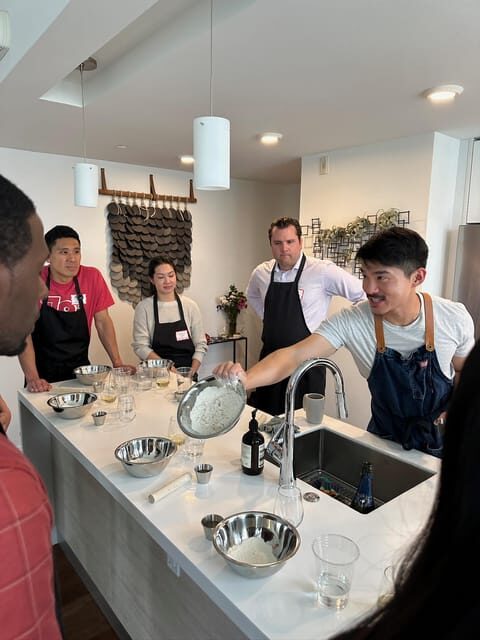
Before hands get floury, you start with a blind tasting of the chef’s favorite soy sauce. It’s a smart warm-up because it trains your senses before the cooking starts. You’re learning what to look for and how to notice flavor differences without relying on guesswork.
If you’ve ever followed a dumpling dipping sauce recipe and wondered why it tastes different at home, this is part of the answer. Flavor starts with the base. Once you taste the soy sauce you’ll be building around, the rest of the meal has a clearer through-line: umami, salt balance, and that savory depth you want for dumplings.
Learning Dumpling Dough: Kneading That Actually Helps
Then you move into the core skills. You’ll learn how to knead the dough properly, so it becomes workable and elastic enough for thin skins. Dumpling dough isn’t just “mix and hope.” Kneading affects texture, which affects how the wrapper rolls and how forgiving it is when you pleat.
You’ll also learn the rhythm of working dough in real time. That sounds simple until you’re standing at your station with a timer ticking toward dinner. This is where the small-group structure pays off. Chef Eddie’s instruction style is patient, and he works with different skill levels rather than expecting everyone to already know the basics.
Rolling Thin Skins and Pleating Dumplings Without Panic
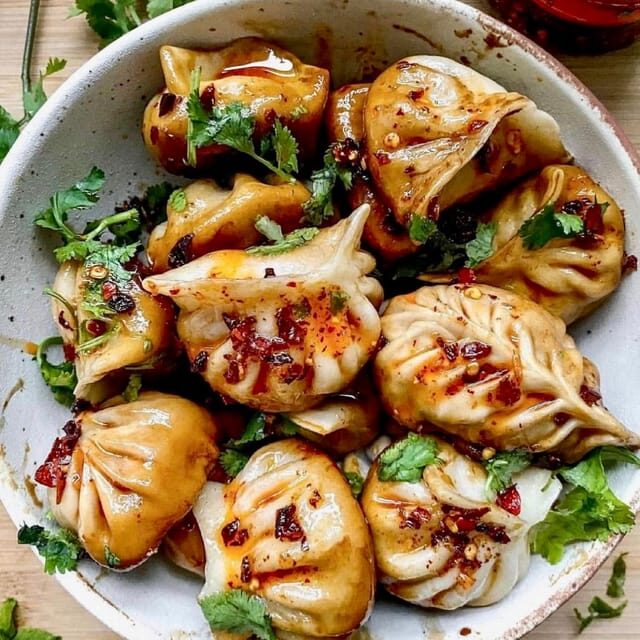
The class is built around traditional dumpling-making techniques: rolling thin skins and pleating dumpling shapes. Those pleats look fancy, but they’re functional. They help seal the dumpling and create the texture you want when it’s cooked and eaten.
What I like here is that you’re not just making one perfect dumpling. You make a batch. That means you get reps. And you learn by doing, not by memorizing.
If you’ve never rolled dumpling skins before, expect the first ones to be a little uneven. That’s normal. The goal is to learn the technique that brings consistency, even if your early dumplings aren’t museum-worthy. With up to 7 other people in the room, you can still get enough guidance to fix the common problems quickly, like thickness or pleat spacing.
You can also read our reviews of more tours and experiences in San Francisco




Pork or Tofu Stuffing: Building Flavor From the Inside Out
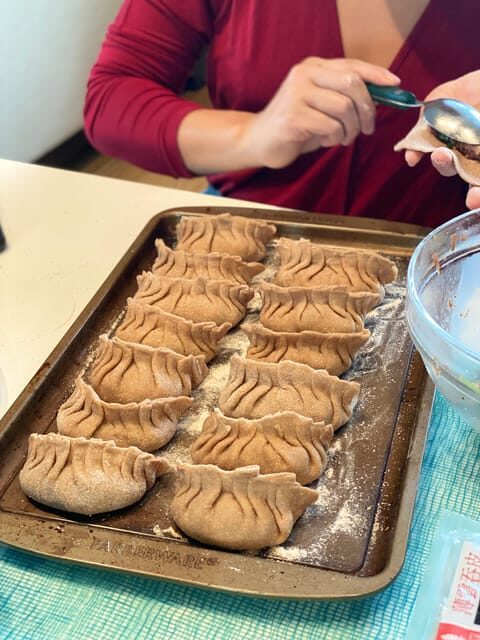
Once your wrappers are in your hands, it’s time for the stuffing. The class uses a family recipe for a pork stuffing, or a tofu-based stuffing option.
This is a great approach for two reasons:
- You learn what stuffing should taste like, not just how to fold it.
- You can align with dietary preferences without losing the dumpling fundamentals.
You’re working with real, intentional flavor, not random fillings. And that matters because dumplings are a system: wrapper + filling + sauce. If one part is off, the whole thing suffers.
Chef Eddie also emphasizes how to shape the dumpling so the filling stays inside and the wrapper holds together. It’s the kind of small detail that makes home-cooking results far more likely to succeed.
Making Your Own Secret Dipping Sauce
After you’ve created your batch of dumplings, you make your own secret dipping sauce. That’s a key moment. You stop treating sauce as something you buy and start treating it as something you can build.
The earlier blind soy sauce tasting helps here. Now you have a reference point. You know what the chef’s soy should taste like, so your sauce choices feel less like guessing and more like adjustments.
I like that it’s taught as part of the meal, not tacked on at the end. You’re learning how to pair the sauce with dumplings immediately, while everything is still fresh and warm.
Dinner Comes Together: Shanghainese Pork Belly Braise and Umami Power
Your 3-course meal doesn’t just reward you. It teaches you how dumplings fit into real Chinese flavor combinations.
You finish dumplings with a pork belly braise described as a classic Shanghainese dish. The focus is on the umami of soy sauce, using local, organic pork. That detail matters because the flavor story isn’t vague. You’re seeing how soy-driven depth shows up in a cooked dish, not only in a dipping bowl.
So the dinner works like this:
- You make dumplings and sauces.
- Then you taste soy sauce umami in a braised pork context.
- You connect the dots between savory sauce and cooked meat flavor.
If you’re the kind of person who loves food when it makes sense, this part is satisfying.
Red Bean Dessert: A Sweet Finish That Keeps It Traditional
For dessert, you get red bean. It’s a classic closing note that balances the meal and rounds out the flavor arc.
What I appreciate is that dessert here feels like it belongs to the overall menu. It’s not just sugar added at the end. Red bean also helps reset your palate after savory dumplings and braised pork, so the last bites don’t blur together.
What to Expect in a 3-Hour Timeline (Without Feeling Rushed)
The total duration is 3 hours, and the flow is structured:
- Meet Chef Eddie in the lobby and get started.
- Blind soy sauce tasting.
- Dumpling skills: dough kneading, skin rolling, pleating.
- Make dumplings, then create your secret dipping sauce.
- Enjoy the 3-course dinner: dumplings with sauce, pork belly braise, red bean dessert.
This kind of pacing is ideal if you don’t want a half-day class. You get enough time to learn real technique, but the night stays social and digestible.
A practical consideration: you’re making dumplings and then eating them. That’s part of the fun, but it can mean you’ll be on your feet and working with dough for much of the session. If you’re someone who prefers lighter, observational experiences, you might find the hands-on part tiring.
Drinks and the $30 Wine Option: BYOB Keeps It Flexible
BYOB is available. You can bring your own wine or beer, which is a nice way to control your budget and pick your favorite drink.
If you don’t bring anything, wine can be purchased at the event for $30 a bottle. That’s helpful if you want a simple decision at the last minute.
If you do plan to bring something, keep it reasonable. A 3-hour cooking class includes food that’s filling, and you’ll likely want to stay comfortably present for dinner and dessert.
Who This Dumpling Class Fits Best
This works especially well if you want an intimate cooking night with real technique and a meal you can enjoy immediately. The small group format is great for couples and small groups, because you learn side by side without the class turning into a conveyor belt.
It also fits well if you’re into dumplings as a specific obsession. Many food classes teach broad cooking. This one gets focused on dumplings: skin rolling, pleating, stuffing, and sauce. You’ll leave with a clearer mental map for making them at home.
Two notes to consider:
- It’s not suitable for children under 12.
- The instructor teaches in English, so it’s a straightforward experience for English speakers.
Price and Value: Is $135 Fair for This SF Night?
At $135 per person, you’re paying for more than a tasting. You’re paying for:
- Instructor-led teaching of core dumpling skills
- All materials and ingredients
- Sauces used in the meal
- A 3-course dinner built around what you made
- A recipe guide to recreate the dumplings later
In other words, you’re not just buying dinner. You’re buying a skill plus dinner plus a take-home reference.
The value lands best if you’ll actually use the recipe guide. If you’re the type who tries recipes once and forgets, the class can still be fun, but you might miss the best part: the ability to reproduce your results.
Should You Book This Dumpling Class?
I’d book it if you want a hands-on evening in San Francisco where you learn a specific technique and eat well right after. Chef Eddie runs it with a calm, patient approach, and the small group size means you get help where you need it, especially on rolling and pleating.
Skip it if you want a passive food experience with lots of watching and minimal work. This is flour-on-your-hands food education. And if you’re traveling with kids under 12, it’s not designed for them.
If dumplings are on your must-eat list, this is also a smart next step. You’ll stop treating dumpling nights like magic from takeout menus and start understanding how they’re made, sauce by sauce.
If you’re ready to trade a typical dinner out for a skill you can recreate, this is a very solid bet.