REVIEW · SAN FRANCISCO
San Francisco: North Beach & Chinatown Food History Tour
Book on GetYourGuide →Operated by San Francisco Native Tours · Bookable on GetYourGuide
San Francisco turns delicious on this North Beach and Chinatown food history tour, where street-level snacks come with real stories behind the neighborhoods. I love that it mixes big-name landmarks like the Transamerica Pyramid with food stops that actually make you slow down. One thing to consider: it’s a 270-minute walking experience, so comfy shoes matter.
My favorite part is the way the guide ties what you taste to what the city went through—Gold Rush 1849 energy in North Beach, then jazz-age grit around the Barbary Coast. The food range is also serious: 15+ tastings across sweet, savory, and just plain fun treats, not one or two “token” bites.
The main drawback is simple: with so many tastings in a small route, you’ll leave full. If you prefer light snacking, you might want to plan your meals around the tour so you don’t feel stuck eating everything.
In This Review
- Key highlights you’ll feel in your day
- Meeting at Mark Twain Alley under the Transamerica Pyramid
- Transamerica Redwood Park: a quick redwood reset downtown
- Barbary Coast and jazz-age snacks: Ghiradelli to saltwater taffy
- North Beach (Little Italy) and the Gold Rush wild-west lens
- Chinatown street food and dim sum with real shopping energy
- Golden Gate Fortune Cookie Factory: your cookie with a story
- Food tastings: 15+ bites and how to pace yourself
- Price and value: what you get for $99
- Who should book, and who should skip
- Quick notes on comfort and timing
- Book it or skip it: my decision guide
- FAQ
- Where does the tour begin?
- How long is the tour?
- How much does it cost?
- What neighborhoods does the tour cover?
- How many food tastings are included?
- What’s included in the tour price?
- Is the tour wheelchair accessible?
- Is the tour conducted in English?
- Does it include a way to skip the line?
- What if I need to cancel?
Key highlights you’ll feel in your day
- Dim sum in Chinatown, served while you’re walking through real street life and shop fronts
- Transamerica Redwood Park, a compact stop with hidden redwood trees near downtown
- Over 15 different tastings, including chocolates, saltwater taffy, pizza, pastries, sweets, and savory bites
- Barbary Coast and Gold Rush context, with stories that make the streets make sense
- The Golden Gate Fortune Cookie Factory, where your cookie is more than a souvenir
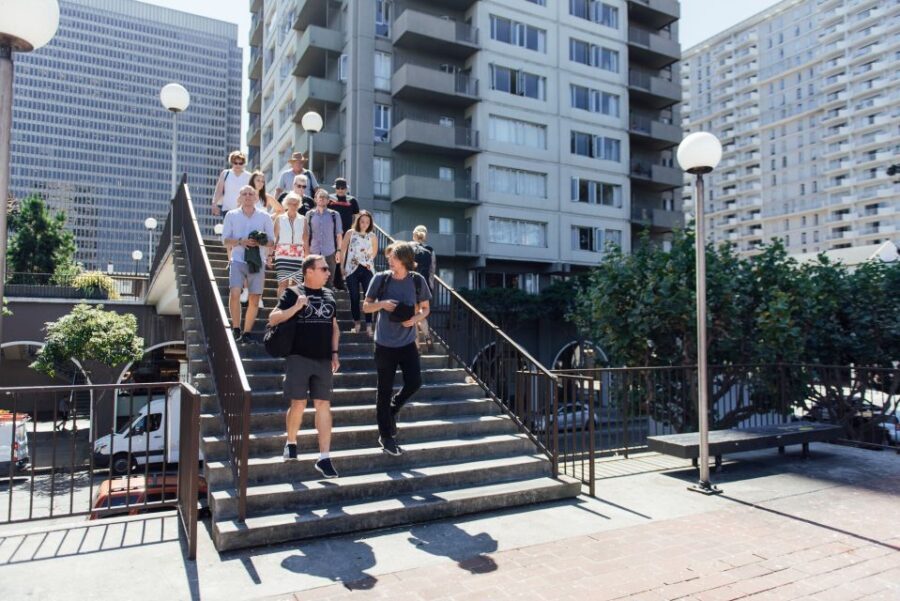
- A small group (10 max), which helps you actually talk with the guide and business owners
Meeting at Mark Twain Alley under the Transamerica Pyramid
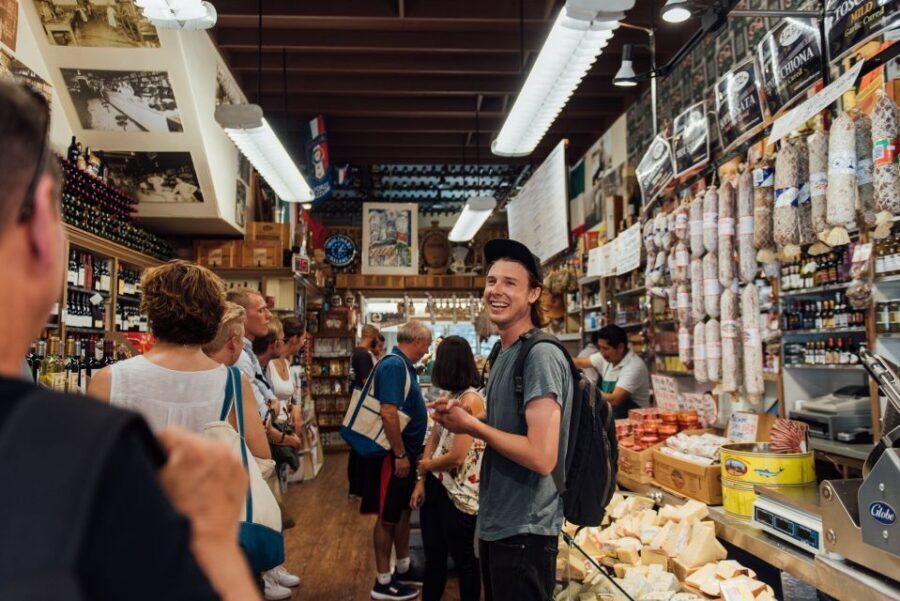
You start in the Financial District at Mark Twain Alley, tucked behind the entrance area for the Transamerica Redwood Park. It’s an easy mental “arrival point” because you’re right by the Transamerica Pyramid, a major San Francisco landmark (and yes, it’s the second-tallest building in the city).
This first stretch is more than a kickoff. The guide sets the tone by explaining the building’s architectural history and then tying it to what the area has meant over time. If you’re the type who likes your vacation to feel grounded in place, this is a good opening because it anchors you before the tour shifts into older eras and grittier neighborhood stories.
Also, the tour includes a separate entrance that helps you skip the line, which is a nice practical touch when you’re moving through crowded areas.
You can also read our reviews of more food & drink experiences in San Francisco
Transamerica Redwood Park: a quick redwood reset downtown
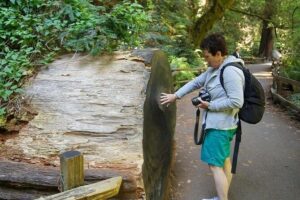
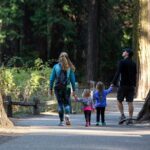
Most people fly past this park without noticing it. The tour doesn’t make you do a long detour, but it gives you a real pause at Transamerica Redwood Park, described as San Francisco’s smallest redwood park with a handful of hidden redwood trees.
That matters because it breaks the “only-cityscape” rhythm early. Before you head into the more chaotic-feeling streets of Chinatown and the North Beach/Italian zone, you get a small moment of calm and shade. It also sets up the guide’s bigger pattern: not just naming sights, but explaining why small details (like a tiny stand of trees) still tell you something about how this city grew.
Barbary Coast and jazz-age snacks: Ghiradelli to saltwater taffy
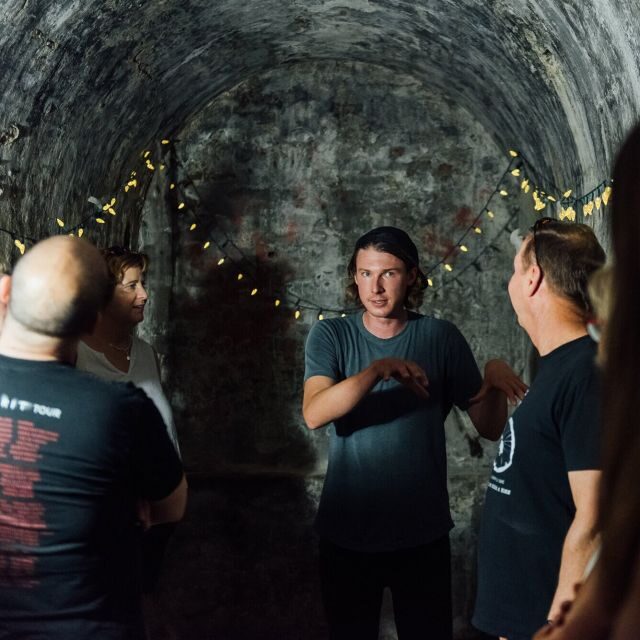
Next comes the Barbary Coast, historically known as San Francisco’s 19th- and early-20th-century red-light district. The tour frames it the way it should be framed: not as a spooky theme, but as a working part of the city’s social life, with dance halls, concert saloons, and brothels.
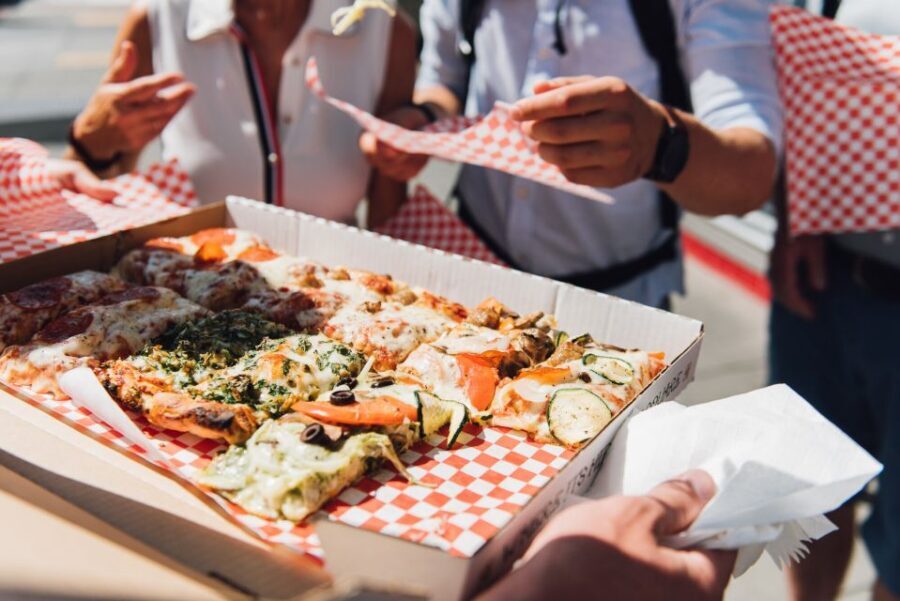
Then you switch gears from story to taste. You’ll stop for items tied to classic San Francisco candy culture, including Ghiradelli chocolate, saltwater taffy, homemade fudge, and caramel popcorn. These aren’t random sugar stops. The guide connects the snacks to the jazz-age atmosphere—an era where music, nightlife, and the city’s faster pace blended into one experience.
A small note for your comfort: you’ll likely get sticky, sweet treats along the way, especially if you’re taking bites while walking. It’s manageable, just plan for it so you don’t end up worrying about crumbs the whole time.
North Beach (Little Italy) and the Gold Rush wild-west lens
When you move into North Beach, the tour leans into the neighborhood nickname—Little Italy—while also pulling you back into San Francisco’s older myth-making days. The guide shares facts and anecdotes about the Wild West during the Gold Rush of 1849, and you start seeing how the city’s identities kept remixing over time.
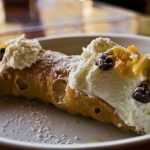
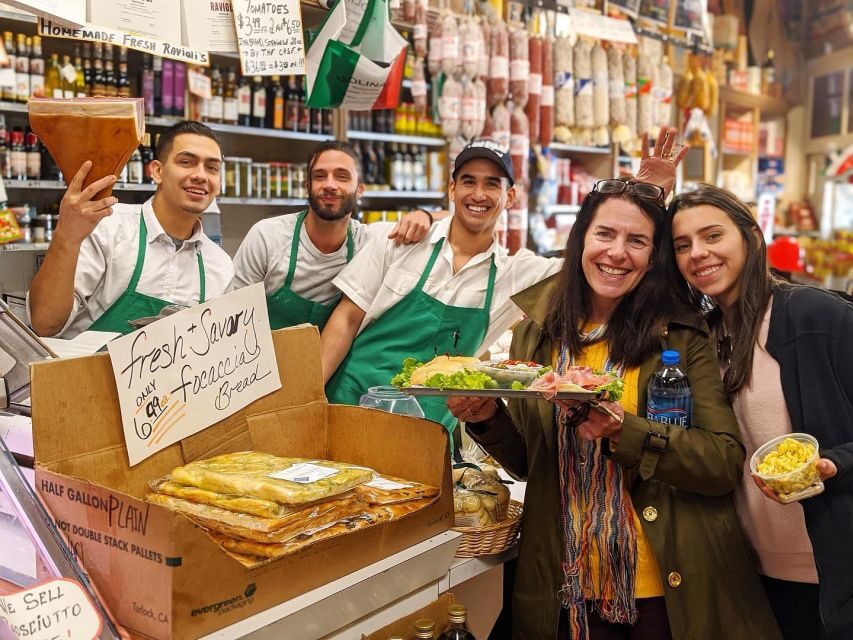
Food picks up here in a bigger way. Expect Italian-leaning stops with pastries, pizza, sandwiches, cakes, antipasto, and aged cheese. The point isn’t just that it tastes good (though it does). The point is that North Beach food traditions helped shape what people recognize as a “San Francisco day out,” and the guide keeps translating the street into context.
One of the strongest parts of this section is the connection to local shop people. The tour includes time where you can chat with small business owners and hear how they see their own corner of the city. In particular, the guide leading this tour—often Stuart, a San Francisco native—brings a personal energy to the stops, including knowing people in the Italian and Chinese districts. That kind of access makes the tour feel less like a script and more like a guided walk with someone who cares.
If you’ve ever wondered why North Beach feels both old-school and always changing, this is where you start to get the answer.
Chinatown street food and dim sum with real shopping energy
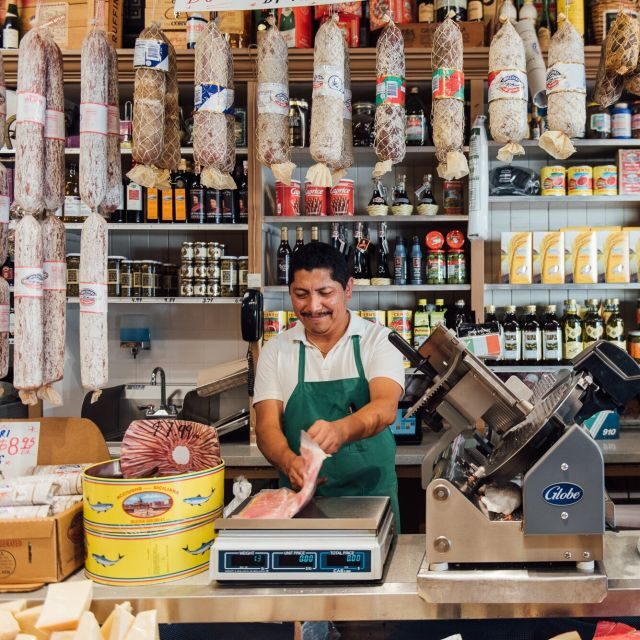
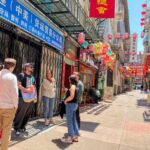
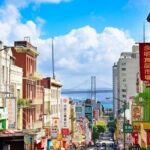
By the time you reach Chinatown, the tour shifts into a louder, more sensory zone. The neighborhood is known for its mix of shops and street-food vendors, and the walking route gives you time to actually notice how the blocks work—signs, storefronts, and the rhythm of people buying and eating.
Yes, you’ll do the classic food moment: dim sum. What I like here is that the dim sum comes as part of the environment, not as a separate “food court.” You’re learning alongside the eating, so the flavors have context instead of being just another sample plate.
After dim sum, you’ll wander souvenir shops. This is the part where you can pace yourself. If you’re the kind of shopper who likes browsing without being rushed, the slow-walk window helps. If you’re not into shopping, you’ll still get the cultural feel from simply moving through the streets and hearing the guide’s narration.
You can also read our reviews of more tours and experiences in San Francisco
Golden Gate Fortune Cookie Factory: your cookie with a story
The tour ends with a visit to the Golden Gate Fortune Cookie Factory, plus time to learn about the factory’s history and try a fresh fortune cookie. This stop works well because it connects a modern take-home snack to a bigger idea: how something “touristy” still has real production roots.
It also feels like a clean payoff. After so many bites across several neighborhoods, you end with a single item you can treat like a souvenir, but with the added satisfaction of knowing what makes it.
If you’ve ever wondered why the fortune cookie became what it is, this is the easiest place in the day to get that answer without searching on your own.
Food tastings: 15+ bites and how to pace yourself
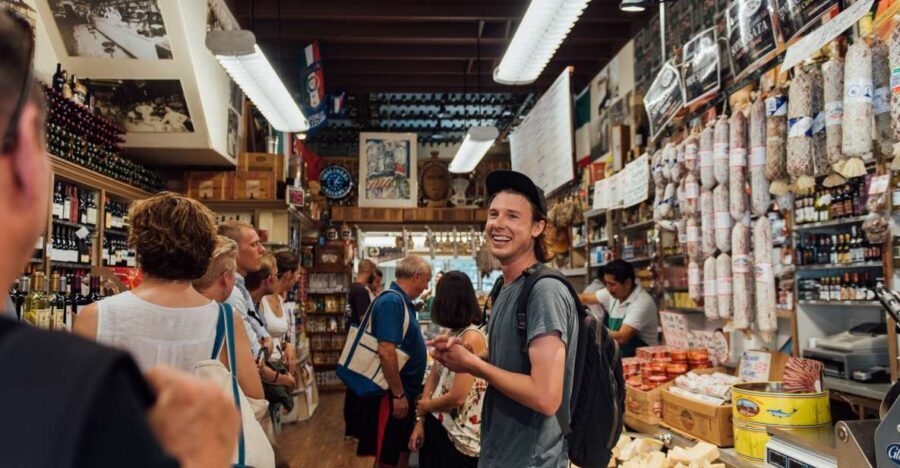
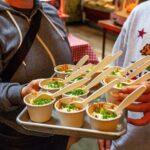
This tour isn’t built around one big meal. It’s built around 15+ different foods, and you’ll see a mix of pastries, sandwiches, sweets, and savory snacks across multiple districts. That’s part of the value: instead of paying for a full restaurant meal that might only hit a couple of preferences, you get variety.
Here’s what the tastings look like in plain terms:
- Sweet classics in the Barbary Coast stretch: Ghiradelli chocolate, saltwater taffy, homemade fudge, and caramel popcorn
- Italian zone bites in North Beach: Italian pastries, pizza, sandwiches, cakes, antipasto, and aged cheese
- Chinatown staples: dim sum
- A final snack with meaning: a fresh fortune cookie
Practical tip: if you’re sensitive to sugar or dairy, it’s smart to know the menu is mixed. You’ll probably find choices that work for you, but you’ll still be offered a range of textures and ingredients.
Also, don’t plan on dining right before. You’ll be eating through the day, and the tour is long enough that your appetite will shift. The best approach is to treat the tour as the main event.
Price and value: what you get for $99
At $99 per person for a 270-minute guided walk with food tastings, it can feel like a “treat day” price. Here’s why I think it’s reasonable for the right person.
First, the tour includes a live guide, water, a map, entry tickets, and food tastings. So your total spend isn’t just paying for narration—it’s paying for access plus food plus time with a small group.
Second, the route is a smart pairing: Financial District history up front, then Barbary Coast storytelling, then North Beach and Chinatown food culture. In San Francisco, that kind of neighborhood mash-up usually takes multiple stops, multiple transit choices, and multiple chances to get the timing wrong. A guided structure helps you avoid that.
Third, this isn’t a giant bus tour. It’s capped at 10 participants, which changes the experience. You can ask questions without feeling like you’re in a crowd of strangers, and the guide can keep the rhythm moving.
If you like food and you want history that you can taste, this is the kind of value that earns its cost.
Who should book, and who should skip
This tour fits you best if:
- You like food-and-history tours that connect what you eat to what the city used to be
- You want a mix of North Beach charm and Chinatown street energy in one day
- You enjoy meeting small business owners and hearing how locals see their neighborhoods
You might skip it if:
- You prefer lighter walking and fewer tastings
- You don’t want your day paced by a fixed sequence of stops
It’s also a good choice if you’re traveling with someone who has different interests—history lovers get the Gold Rush and jazz-age framing, while food lovers get the sampling range.
Quick notes on comfort and timing
Bring comfortable shoes—you’ll be walking and you’re on your feet for the full experience. The tour is 270 minutes, includes water, and is wheelchair accessible. If you’re booking, the tour notes a small group size of 10 and offers a separate entrance to skip the line, which can save time in the busiest areas.
Book it or skip it: my decision guide
Book this tour if you want one organized way to taste multiple San Francisco neighborhoods and get the stories that explain them. The strongest factor is the combination of dim sum + North Beach Italian food variety + Fortune Cookie Factory payoff, all paired with the guide’s neighborhood context.
Skip it if you’re food-checked or you hate walking. With so many tastings on a single route, it’s not built for a “nibble and wander” mood—it’s built for eating, learning, and finishing the day satisfied (and likely a bit full).
FAQ
Where does the tour begin?
Meet at Mark Twain Alley, located behind the Transamerica Pyramid Redwood Park. The guide is in front of the park entrance, off Sansome Street between Clay and Washington Street.
How long is the tour?
The duration is 270 minutes (about 4.5 hours).
How much does it cost?
The price is $99 per person.
What neighborhoods does the tour cover?
It walks through the Financial District, Barbary Coast, Little Italy (North Beach), and Chinatown.
How many food tastings are included?
You’ll taste 15+ different foods, including items like dim sum, pastries, sandwiches, chocolates, and sweets.
What’s included in the tour price?
Included are a guide, water, a map, entry tickets, and food tastings.
Is the tour wheelchair accessible?
Yes, the tour is wheelchair accessible.
Is the tour conducted in English?
Yes, the guide provides the tour in English.
Does it include a way to skip the line?
Yes, there’s a separate entrance to help you skip the line.
What if I need to cancel?
The tour offers free cancellation up to 24 hours in advance for a full refund. It also offers reserve now & pay later, so you can book without paying immediately.