REVIEW · SAN FRANCISCO
Yosemite National Park & Giant Sequoias 2-Day Semi-Guided Tour
Book on Viator →Operated by Extranomical Tours · Bookable on Viator
Yosemite is one long wow moment. This 2-day semi-guided trip trades parking stress for easy transfers and a smart, stop-by-stop way to see Yosemite Valley’s headline scenes. You’ll also get a shot at the giant sequoias in the area, with your schedule built around daylight and practical walking.
I especially like how this tour layers value: park entry for U.S. residents is included, and you also get free geo-based audio guides in multiple languages. I also like the pacing—part guided, part free time—so you can linger near waterfalls or swap in a quick side walk when the moment feels right.
One consideration: on a two-day format, you’ll spend the middle hours on your own after being dropped at Yosemite Lodge, and winter trail conditions can affect whether you can do the sequoia hike. If you hate uncertainty, this may frustrate you a bit—though you still get more time in Yosemite Valley when trails are closed.
In This Review
- Key highlights worth planning for
- The big idea: two days, one base, and time to breathe
- San Francisco early pickup and what that means for your day
- Riding out of the city: Bay Bridge, Treasure Island, and the Sierra gateway
- Entering Yosemite via Big Oak Flat Road: the smoothest first approach
- Yosemite Valley day one: Tunnel View, El Capitan, Half Dome, and iconic waterfalls
- Mist Trail and Lower Yosemite Falls: the short hikes that deliver
- Visitor Center time and the Ansel Adams photography gallery
- Yosemite Valley lodge drop-off: why your hotel choice matters
- Day two: Half Dome Village area and a second pass through the valley core
- Tuolumne Grove giant sequoias: the calm giant-forest option with safety caveats
- Guides and audio: what semi-guided really means in practice
- Food, packing light, and the small things that save your trip
- Price and value check: is $269 a good deal?
- Who this tour fits best
- Should you book this Yosemite and Giant Sequoias 2-Day Semi-Guided Tour?
- FAQ
- What does the tour cost and how long is it?
- Does the tour include hotel pickup in San Francisco?
- Where does the tour start and what time does it begin?
- Is park entry included?
- Are meals included?
- Are accommodations included?
- Can I do the giant sequoias hike every time?
- What if trails are unsafe in winter?
- What if I have a child who needs a safety seat?
Key highlights worth planning for
- Pickup from many San Francisco-area hotels plus an early start that gets you into Yosemite with daylight on your side
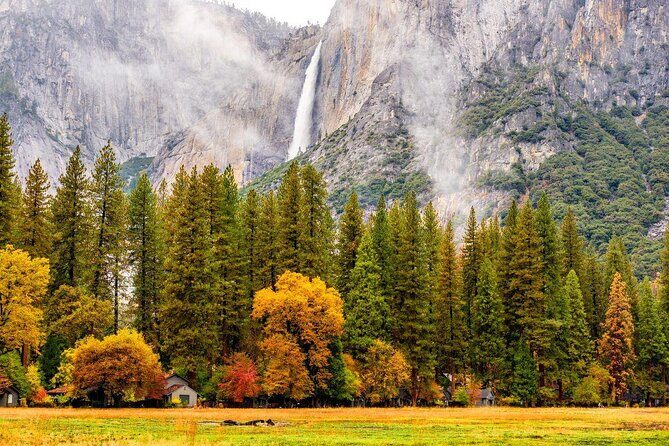
- Yosemite Valley in depth with classic photo stops like Tunnel View and time around El Capitan and Half Dome
- Waterfall timing on purpose, including Mist Trail sections and Lower Yosemite Falls access
- Tuolumne Grove giant sequoias option, a calmer grove walk when conditions allow
- Audio guides in 8 languages, helpful when you want facts without constant group herding
- Max group size of 41, which keeps the vibe from turning into one giant bus flash mob
The big idea: two days, one base, and time to breathe
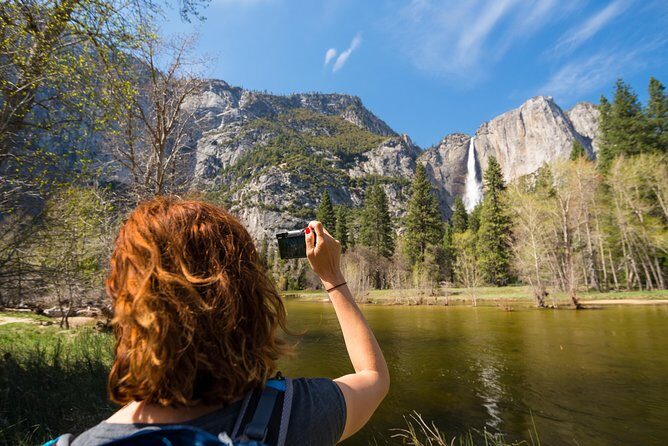
This tour works because it’s not trying to cram Yosemite into a single exhausting day. Instead, you get two separate days of Yosemite highlights, with built-in stops and a semi-guided structure that gives you breathing room between viewpoints.
On day one, you’re rolling from San Francisco early, then spending a long stretch in Yosemite Valley. Day two keeps you in the same core area again, then adds a higher-elevation giant sequoia grove walk (when it’s safe to do so).
That “stay in the park” rhythm is what makes the trip feel worth it, especially if you’re planning your first Yosemite visit.
You can also read our reviews of more guided tours in San Francisco


San Francisco early pickup and what that means for your day
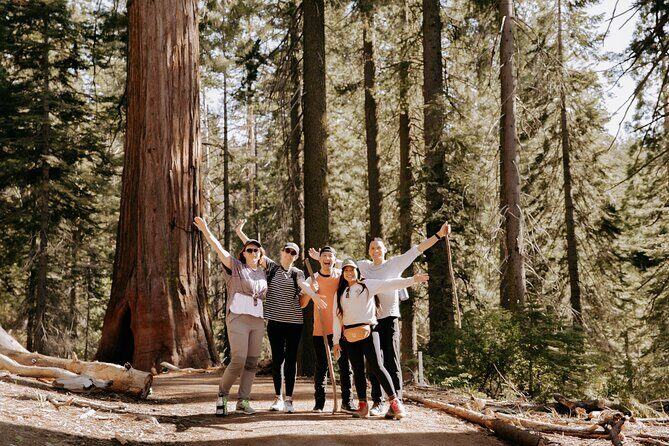
Your day starts early—pickup starts as early as 5:20 AM from the San Francisco hotel list, and the tour begins at Hilton San Francisco Union Square. That sounds brutal until you realize it’s the difference between arriving at scenic pull-offs when they’re busy and arriving while the park still feels fresh.
Also, you’re not just walking onto a city bus and hoping it heads west. This is an organized transfer with defined pickup points, and it matters because traffic around the Bay Area and into the Sierra can chew up time fast.
If you’re the type who likes certainty, double-check your exact pickup location and time the day before. Even small mix-ups can become a late-night stress spiral when the bus is leaving at sunrise.
Riding out of the city: Bay Bridge, Treasure Island, and the Sierra gateway
Along the way you’ll pass the San Francisco–Oakland Bay Bridge, which is basically the main artery between San Francisco and Oakland. It’s busy and industrial, not a postcard stop, but it’s a useful landmark daybreak check—yes, you’re committed to Yosemite now.
You’ll also stop at Treasure Island, an artificial island built for the 1939 Golden Gate International Exposition era. It’s a quick pause that breaks up the drive and gives you a stretch before the mountains start rising in the distance.
Then you roll into the Sierra Nevada region, which is where the scenery starts changing fast—more altitude, more weather variation, and more reason to dress in layers.
Entering Yosemite via Big Oak Flat Road: the smoothest first approach
A huge part of the Yosemite experience is simply getting there without losing your sanity to parking. This tour routes you through the historic Big Oak Flat Road entry, which is the CA Highway 120 corridor into Yosemite.
Why I like this approach: it’s a direct, practical way to access Yosemite’s high-country scenery. You’re not searching for transit options, worrying about timed tickets, or trying to solve the classic Yosemite parking puzzle.
And yes, you’ll feel the change in air and temperature. Plan on cooler conditions once you’re up in the valley walls and near higher points.
Yosemite Valley day one: Tunnel View, El Capitan, Half Dome, and iconic waterfalls
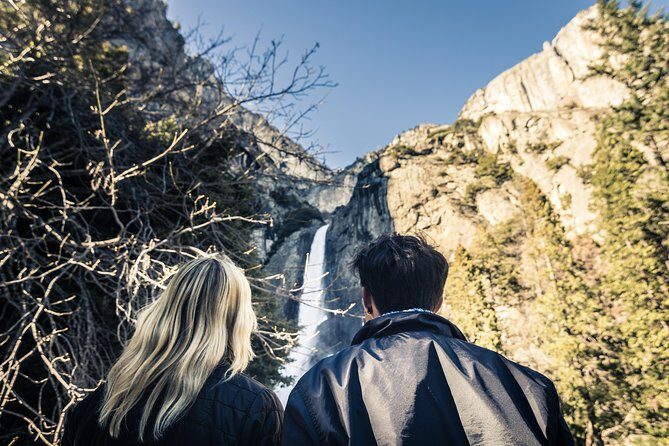
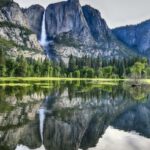
Day one is built around the classic Yosemite Valley highlights—granite walls, big water, and viewpoints that photographers have been chasing for decades.
You’ll start with Yosemite Valley, a glacial valley about 7.5 miles long and surrounded by towering granite formations like El Capitan and Half Dome. The valley feels like a natural amphitheater, and when you’re standing near the falls and river, the scale stops being abstract.
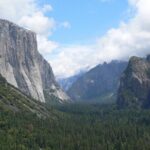
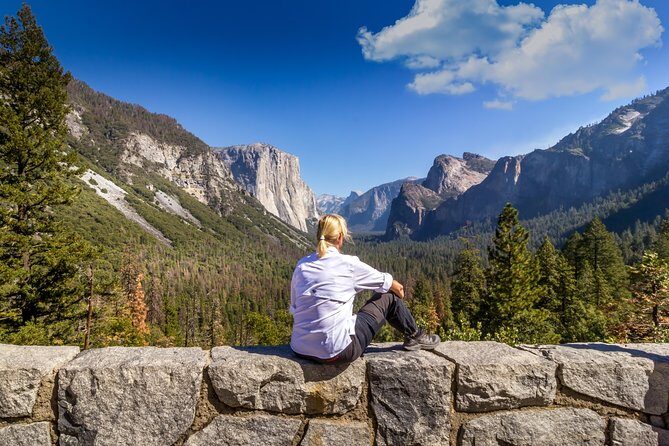
Next up is Tunnel View, one of the park’s best-known viewpoints. The point is simple: you get that wide Yosemite Valley composition—why it became an instant favorite is obvious once you’re looking at it yourself.
From there, you’ll move through the key “faces” of Yosemite:
- Bridalveil Fall, one of the most prominent valley waterfalls
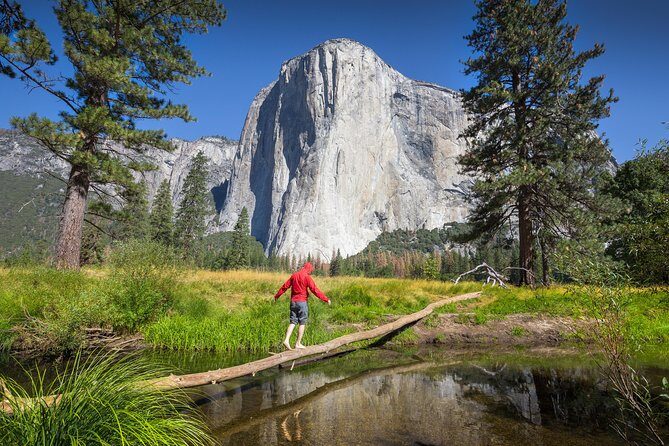
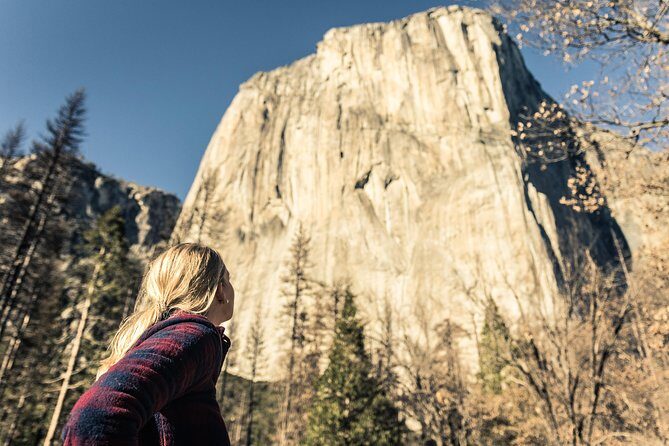
- El Capitan, the sheer granite monolith that rock climbers live for
- Half Dome, the dome-shaped rock feature at the eastern end of the valley
- Horsetail Fall, which is seasonal and time-dependent for the famous light-angle effect
A practical note: some stops are straightforward “look and photograph” moments, but Yosemite is always more impressive once you realize how many of these icons are tied to short walks and quick river access.
You can also read our reviews of more tours and experiences in San Francisco


Mist Trail and Lower Yosemite Falls: the short hikes that deliver
This tour doesn’t force you into a long, grueling day hike, but it still gives you access to trails that make Yosemite feel real instead of just viewed from a bus window.
You’ll have time around the Mist Trail, one of the park’s most popular routes. Even when you’re not doing the full route, the trail’s reputation is earned because you’re walking close to moving water and hitting classic overlooks like Vernal Fall and Nevada Fall along the general path.
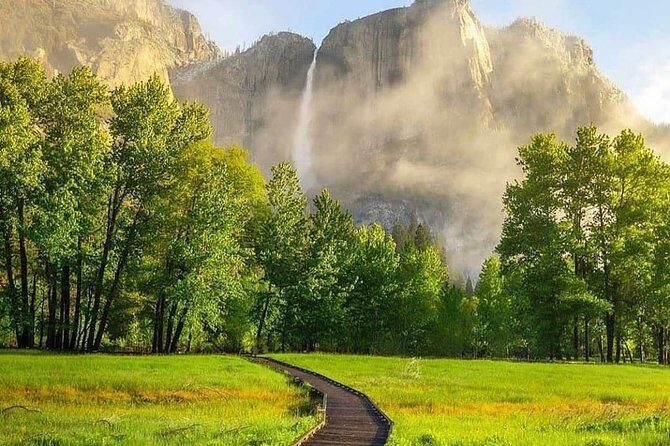
Then there’s the highlight for many first-timers: the Lower Yosemite Fall Trail. It’s a short hike—about a quarter-mile one way—to a misty base view of the 320-foot Lower Yosemite Falls. This is the kind of walk where you’re only a few minutes from the action, and you don’t need to be an ultra-hiker to get the payoff.
If you’re choosing what to do with your own feet, I’d prioritize any chance you get to walk to the falls on your own terms. Yosemite Falls looks good from a distance, but the feel changes up close.
Visitor Center time and the Ansel Adams photography gallery
You’ll also stop at the Yosemite Valley Visitor Center, which is one of the best places to reset your brain and get oriented. It’s handy for maps, displays, and quick questions you might have about what’s open and what makes sense next.
There’s also a photography-focused stop: a gallery selling photography by celebrated landscape artist Ansel Adams, among others. Even if you don’t buy anything, it’s a useful mental bridge between the iconic images you’ve seen and what you’re actually standing in front of.
Think of this segment as the “you’re about to see things in the right order” checkpoint. It helps when you come in with one big must-see list and you need to adjust once you’re in the valley.
Yosemite Valley lodge drop-off: why your hotel choice matters
This tour drops you at Yosemite Lodge. You still handle your own overnight and meals, but the drop-off location is the anchor that keeps day two from feeling chaotic.
I’m a fan of the simplicity here: you don’t have to keep relocating to different lodgings just to chase views. But you do need to think about your hotel check-in and how you’ll spend the middle day without getting stranded far from the meetup point.
Also, storage is limited. The tour notes that there’s limited to no storage within Yosemite, so bring what you can easily carry.
Day two: Half Dome Village area and a second pass through the valley core
Day two starts with a feel for the Yosemite “historic comforts” area, including Half Dome Village near Glacier Point. This area is known for the warm, hospitality-style vibe created by founders David and Jennie Curry back in the late 1800s.
Then you get another round of Yosemite Valley core stops. You’ll revisit key scenes like:
- Yosemite Falls
- Merced River viewpoints and the river context through the valley
- Lower Yosemite Fall Trail (again, because it’s worth it)
- Tunnel View
- El Capitan and Half Dome viewing opportunities
That repeat value is real. Yosemite is constantly changing with sun angle, clouds, and water flow, and a second day lets you experience different light and less “arrive-and-rush” energy.
Tuolumne Grove giant sequoias: the calm giant-forest option with safety caveats
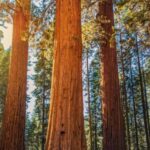
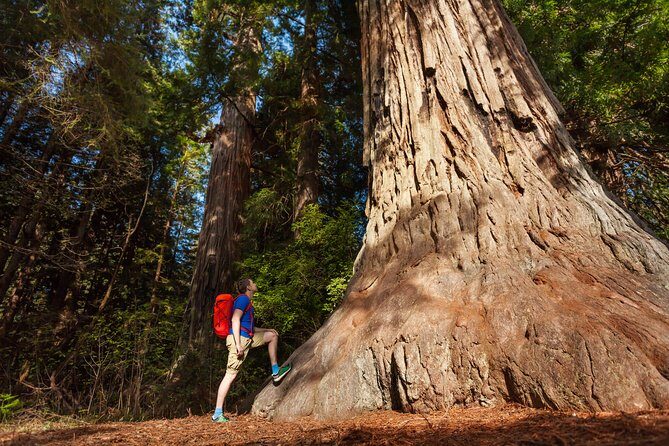
The sequoia moment on this tour is the Tuolumne Grove walk. It’s described as serene, with about two dozen mature giant sequoias, including the famous Tunnel Tree that you can walk through.
The walk is about 2.5 miles round-trip and is rated as moderate, with a descent into the grove. If you’ve seen the famous Mariposa Grove on a future trip, Tuolumne often feels like the quieter cousin.
Here’s the big thing to understand: this is condition-dependent. The tour notes that the grove hike is higher elevation and depends on trail safety, especially from October through May. Ice and snow may make the trail unsafe, and the decision is made day-by-day.
If the sequoia hike is closed, you’re not sent away—you get more time in Yosemite Valley, with stops that can include icons like El Capitan, Inspiration Point, Half Dome, Yosemite Falls, and more.
Guides and audio: what semi-guided really means in practice
You’re not totally on your own. You have geo-based audio guides in 8 languages, and you’ll have partial guidance from drivers/guides during key parts.
From the guide styles mentioned on past departures, the approach can vary: some focus on history and storytelling while you’re rolling between stops, and others help you spot things like El Capitan movement patterns. One guide even set up telescopes to view climbers on El Capitan, which is the kind of detail you’d never get if you were just driving your own rental car and rushing from pull-off to pull-off.
Audio guides matter because Yosemite is big. When you’re looking at Tunnel View or standing in the valley listening to water, it helps to have quick facts ready at the moment you need them—no waiting for a group briefing.
And if you prefer to wander while still feeling “in the loop,” the semi-guided structure is a good fit.
Food, packing light, and the small things that save your trip
Meals are not included. The tour notes stops for breakfast and lunch, and dinner is included as a stop on the trip back, but you’ll be paying for the food yourself.
So I’d treat this like a day-trip-with-overnight mindset: budget for meals, and consider bringing a small stash of snacks. Yosemite Valley can make you forget to eat until you’re suddenly starving between stops.
Packing tips are also practical:
- There’s limited to no storage within Yosemite, so avoid bringing bulky bags you can’t carry comfortably
- Oversized luggage can be charged an additional $50 fee
- If you’re visiting in winter months, dress for big temperature swings from San Francisco, and wear shoes/boots with rubber soles and treads
The tour also sets a moderate physical fitness expectation. That matters most for trail time like Mist Trail segments and especially the sequoia grove walk when conditions allow.
Group size is capped at 41 travelers, which helps keep lines and pacing reasonable.
Price and value check: is $269 a good deal?
At $269 per person for about two days, this tour prices itself as a convenience package more than a “private van and meals” experience.
Here’s what’s included that really changes the math:
- San Francisco-area hotel pickup from many locations
- Transportation to Yosemite National Park
- Drop-off at Yosemite Lodge
- Free geo-based audio guides (8 languages)
- Park entry fee for U.S. residents
What’s not included:
- Accommodations
- Meals
- Transportation from Yosemite Valley Lodge to your separately booked accommodation
For many people, the biggest value is not the audio—it’s removing the logistics friction: no parking hunting, no driving fatigue, and fewer “what time is the entrance?” headaches. The audio and partial guidance then help you use that time well once you’re there.
If you’re already planning to stay near Yosemite Lodge and you don’t want to do long driving legs in traffic, this can feel like good value. If you hate early mornings and would rather move at your own pace every single minute, a do-it-yourself Yosemite plan might suit you better.
Who this tour fits best
This tour fits best if you:
- Want a first-time-friendly Yosemite route focused on major icons
- Like the idea of walkable stops without committing to full-day hikes every day
- Prefer a semi-guided structure with audio support
- Plan to stay overnight in/near Yosemite so you can actually enjoy the second day
It may be less ideal if you:
- Only want to see one or two highlights and hate early pickup schedules
- Need a guaranteed sequoia grove hike regardless of weather (the tour itself makes clear that trail conditions can change things)
- Don’t want any period of being on your own between drop-off and the next day’s return meeting
Should you book this Yosemite and Giant Sequoias 2-Day Semi-Guided Tour?
I’d book it if your priority is a low-stress Yosemite plan with smart timing and you’re okay with weather-based trail changes. The combination of hotel pickup, included entry for U.S. residents, and major valley icons—plus the Tuolumne Grove chance—adds up to a trip that’s easier than driving your own route and more structured than going completely solo.
If you’re booking for the giant sequoias, go in with a flexible mindset: you might hike Tuolumne Grove, or you might spend extra time in the valley instead. Either way, Yosemite Valley is the real anchor here.
FAQ
What does the tour cost and how long is it?
It costs $269 per person and runs for approximately 2 days.
Does the tour include hotel pickup in San Francisco?
Yes. Pickup is offered from most hotels listed in the pickup details.
Where does the tour start and what time does it begin?
It starts at Hilton San Francisco Union Square, with pickups beginning at 5:20 AM depending on your hotel.
Is park entry included?
For U.S. residents, the park entry fee is included.
Are meals included?
No. The tour makes stops for breakfast and lunch, and for dinner on the way back, but meals are not included.
Are accommodations included?
No. Accommodations are not included, and the tour does not include transportation from Yosemite Valley Lodge to your separately booked lodging.
Can I do the giant sequoias hike every time?
The Tuolumne Grove hike depends on trail conditions, especially from October through May. It can be substituted with additional time in Yosemite Valley when trails are not safe.
What if trails are unsafe in winter?
Between November and March, when snow and ice make the trail unsafe, the tour substitutes the hike with additional time in Yosemite Valley.
What if I have a child who needs a safety seat?
California law requires a car safety seat for children under 8 years and under 4′ 9″ (1.4 meters). If you don’t provide one and don’t inform the operator in advance, you may not be allowed to board.
If you want, tell me your travel month and whether you’re staying near Yosemite Lodge, and I’ll help you map out what to expect day by day based on typical winter vs. summer conditions.