REVIEW · SAN FRANCISCO
San Francisco: Mission District Food & History Walking Tour
Book on GetYourGuide →Operated by Gray Line San Francisco · Bookable on GetYourGuide
Follow food to the beating heart of the Mission. This guided walk connects Mission Dolores landmarks, the Golden Fire Hydrant, and Balmy Alley street art with stops that come with real bites, not just sightseeing.
I especially like the way the tour uses Café de Olla as a cultural anchor. You get to taste Oaxacan-style flavors like tamales, quesadillas, tlayudas, and tortillas, plus drinks like agua fresca and ice caffe de olla, while your guide ties it back to the neighborhood’s story.
The main drawback is simple: the whole experience is concentrated in the Mission District. If you want a wider slice of San Francisco beyond Mission Street and nearby blocks, the 3.5-hour, on-foot focus may feel like too much of one area.
In This Review
- Key highlights
- Mission San Francisco de Asís: where the story begins
- Mission Dolores Park and the Golden Fire Hydrant: history you can point at
- Café de Olla: Oaxacan-style flavors that make the Mission easier to read
- Mission Street to 24th Street: architecture, shops, and the hunger-friendly rhythm
- Balmy Alley murals: art as political memory
- Price, pacing, and whether $99 feels fair
- Best fit: who this tour suits (and who might want another option)
- Should you book this Mission District food & history walk?
- FAQ
- Where does the tour start?
- How long is the tour?
- What is included in the price besides the guide?
- Is there a second food tasting, and what can I choose?
- What foods and drinks are offered at Café de Olla?
- Does the tour include Mission Dolores Park?
- What is Balmy Alley on this tour known for?
- Where does the tour end?
- What should I bring?
- Can I cancel for a full refund?
Key highlights
- Mission San Francisco de Asís start with chapel art, gardens, and a cemetery inside city limits
- Mission Dolores Park + Golden Fire Hydrant tied directly to the 1906 earthquake story
- Café de Olla tastings built around Oaxacan-style cooking made from scratch
- Mission Street to 24th Street food stretch with a mix of traditional stores and everyday dining
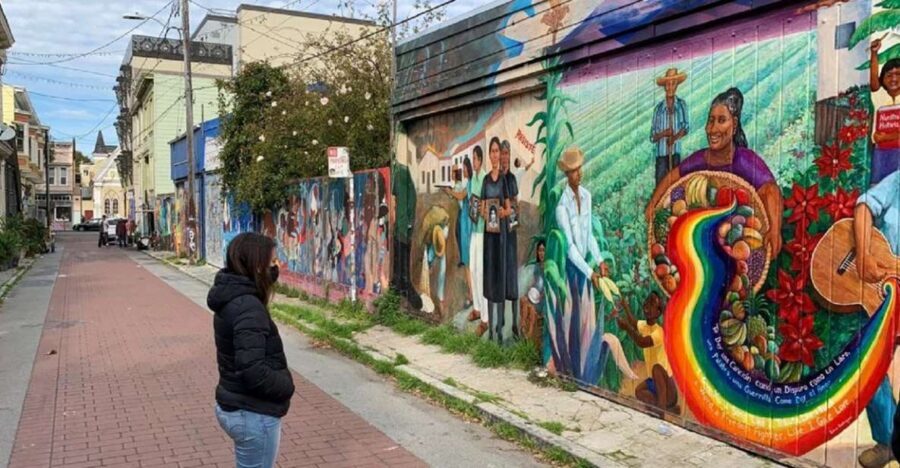
- Balmy Alley murals explained through themes of human rights and Central American political abuses
Mission San Francisco de Asís: where the story begins
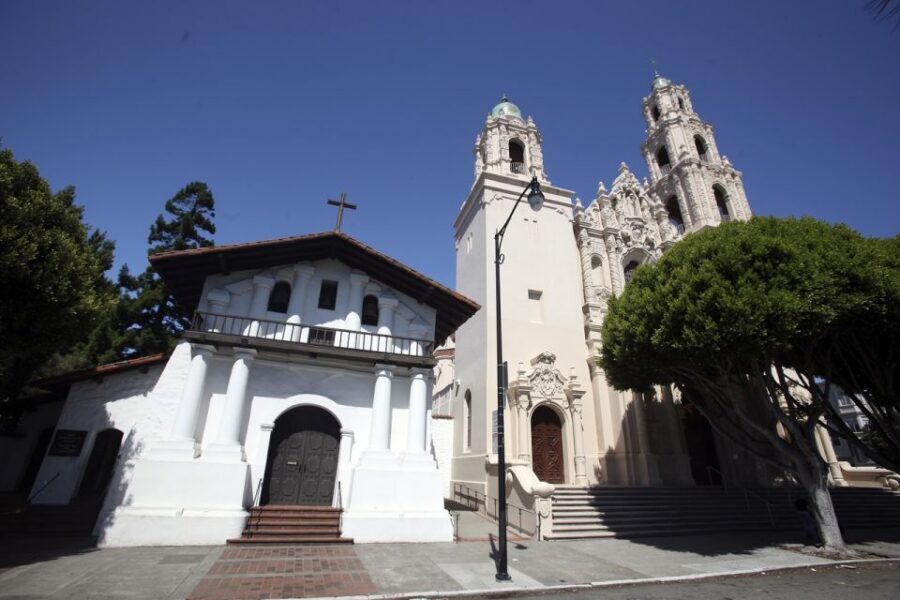
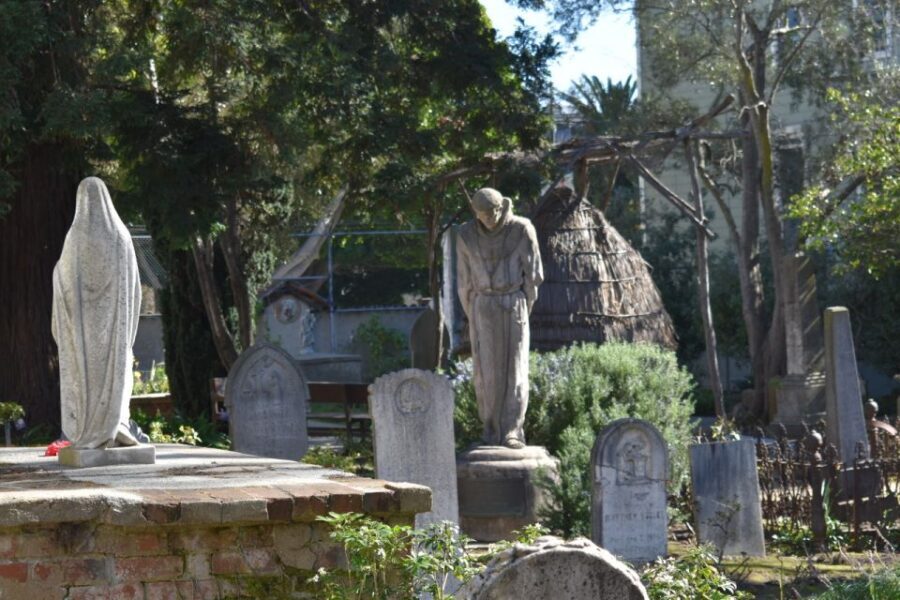
Your tour meets at Mission San Francisco de Asís (often called Mission Dolores). Even if you are not a museum person, this stop sets the tone fast: you are starting with a place that has been shaping the neighborhood long before Mission Street became a go-to food corridor.
The chapel is known for exclusive religious art, and you also get time in the gardens. You’ll pass a cemetery site that stands out because it is the only one within San Francisco city limits, which is a detail you don’t usually run into on casual neighborhood walks.
This start matters because it gives you a timeline you can feel while you walk. Later on, when you hear about the park, the earthquake, and the street art, it all lands harder because you already have a sense of what has stayed—and what has changed.
You can also read our reviews of more walking tours in San Francisco

Mission Dolores Park and the Golden Fire Hydrant: history you can point at
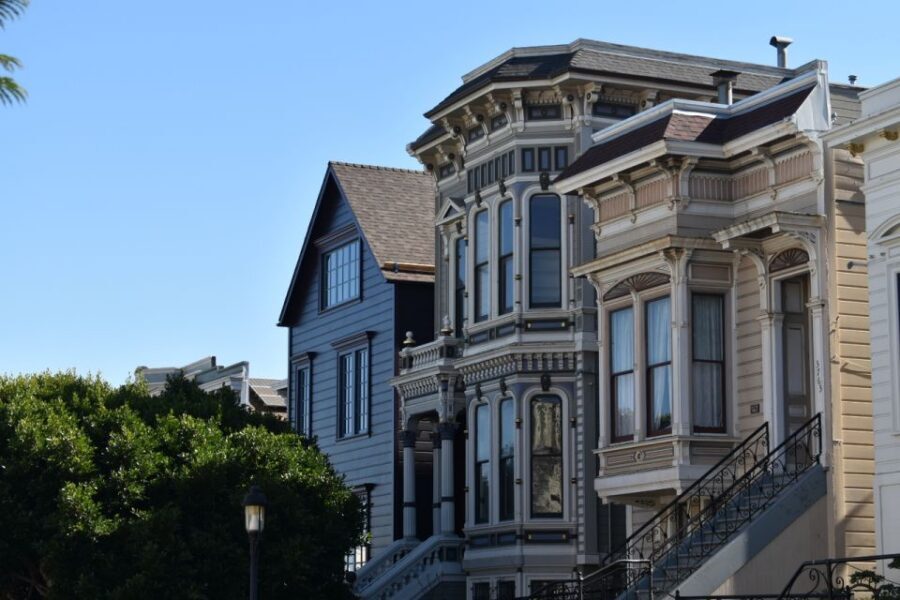
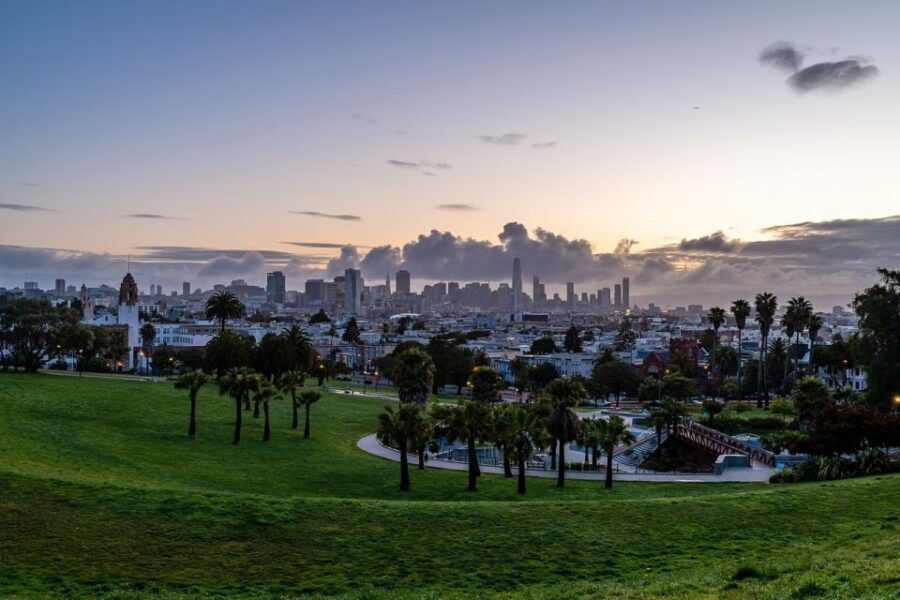
From the mission, you head to Mission Dolores Park, which used to be a Jewish cemetery and is now one of the area’s most popular parks. It is one of those San Francisco contrasts: a place that looks like a relaxed hangout today, but is carrying layers of community history beneath the grass.
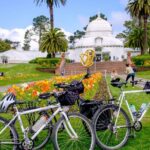
As you walk through the park, your guide points out Father Hidalgo’s statue. The big “wait, what?” moment is the Golden Fire Hydrant—described as the hydrant that survived the 1906 earthquake and became a miracle-like symbol for what the Mission District endured.
What I like about this part is the way it turns a landmark into a story tool. You are not just spotting a statue and moving on—you are learning why a specific object can represent resilience for an entire neighborhood.
If you visit when the park is busy, it helps to wear shoes that can handle uneven paths and to be ready for some foot traffic around your group.
Café de Olla: Oaxacan-style flavors that make the Mission easier to read
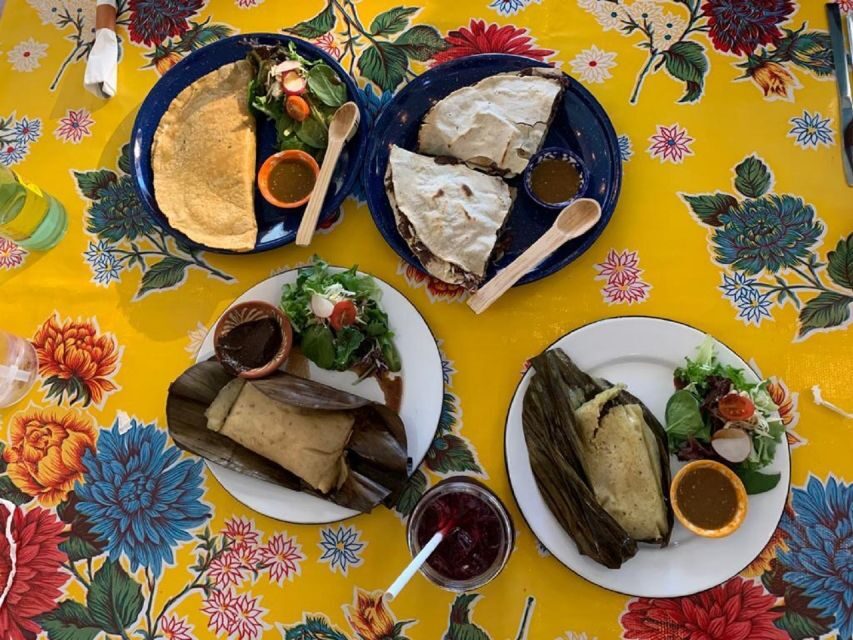
Next comes a practical break, and it is the tour’s strongest ingredient: food. You stop at Café de Olla, located in the heart of the Mission, and the tastings are centered on Oaxacan-style cuisine made from scratch.
This isn’t a “small snack for photos” setup. You get to taste multiple items such as quesadillas, tamales, tlayudas, and tortillas. On the drink side, options include agua fresca and ice caffe de olla, which gives you a nice contrast between fruit-forward refreshment and coffee warmth.
The coffee part is worth noting. In a neighborhood history tour, drinks can seem like an afterthought. Here, they help keep the pacing human, and they add another lens for understanding why the Mission’s food culture feels so rooted.
One more practical note: food stops like this are great because they give you a reset. After the walking, you’ll have a moment to sit, taste, and ask your guide questions while everything is still fresh.
Mission Street to 24th Street: architecture, shops, and the hunger-friendly rhythm
After you eat, you head along Mission Street, the long spine of the neighborhood. This stretch works because it blends everyday life with architecture—Victorian, stick-style houses, and mixed-use Mission Revival buildings appear in the same walking flow.
That mix is more than an aesthetic detail. Seeing multiple styles side by side helps you understand the Mission as a living neighborhood, not a staged postcard. It explains why the area keeps attracting artists, families, business owners, and visitors who come for food and stay for the feel.
You then move toward 24th Street, an eight-block stretch that is described as packed with food choices—from tacos to pastries. This is where the Mission District earns its reputation in a very grounded way: you don’t just get one “signature” bite, you get the sense of a whole ecosystem of eating.
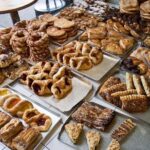
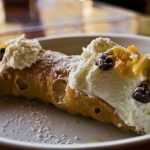
The tour includes a second food tasting with a choice of tacos, pastry, or coffee. That structure is smart. If you are a savory person, lean tacos. If you like a lighter finish, go pastry. If you want to keep the coffee theme going from Café de Olla, this is your second chance.
Balmy Alley murals: art as political memory
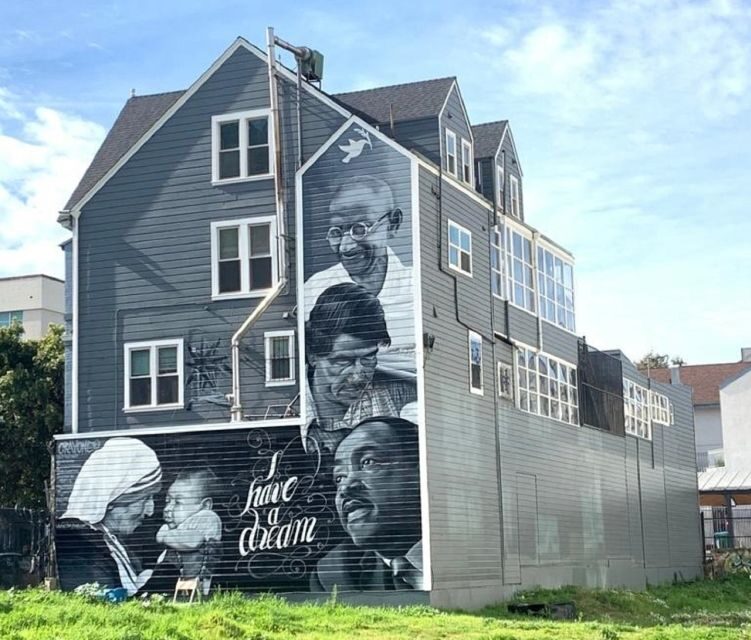
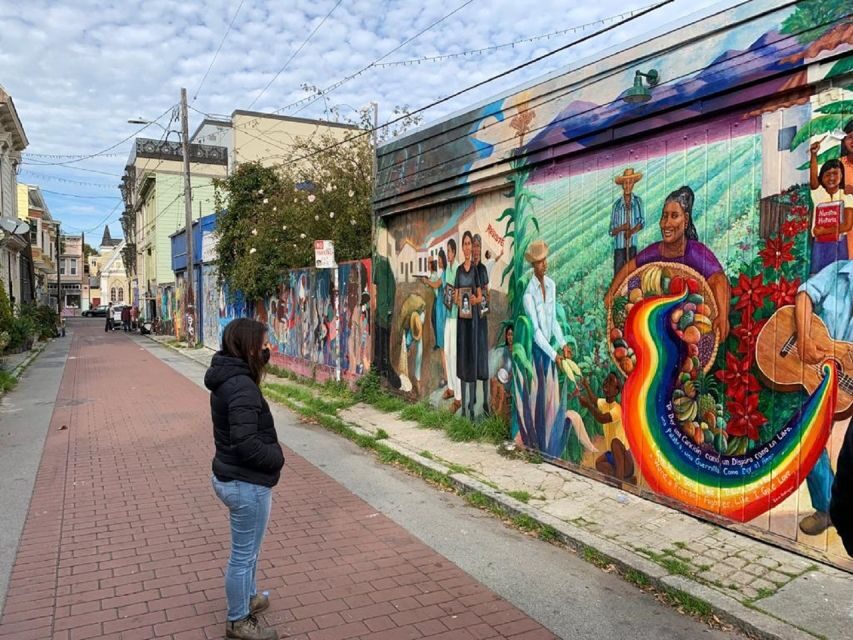
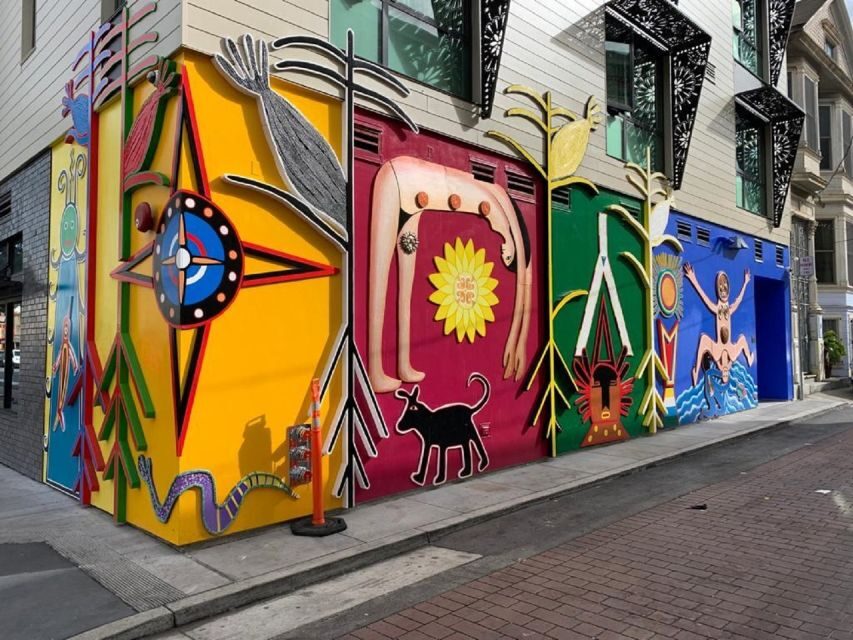
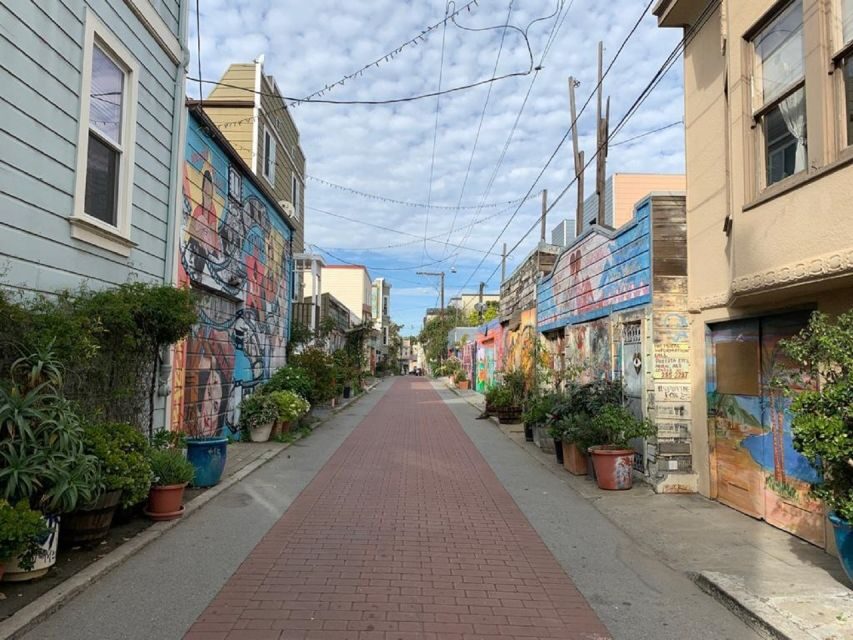
Your final stop is Balmy Alley, a well-known mural street with an extensive collection of artworks. The key thing your guide focuses on is not just what the murals look like, but what they are saying.
Many of the murals are described as expressions of outrage over human rights violations and political abuses in Central America. That matters because it shifts street art from decoration to communication. You start to see how images can act like headlines—teaching, arguing, and remembering in public.
This stop is also where the tour’s theme clicks for most people: history here is not only dates and buildings. It is also what people choose to paint, protest, and preserve on walls where everyone can see.
If you are someone who tends to rush through street art, slow down here. Give yourself a few extra seconds at each mural so the themes land.
You can also read our reviews of more food & drink experiences in San Francisco


Price, pacing, and whether $99 feels fair
This tour costs $99 per person and runs about 210 minutes. For a San Francisco walking experience, that price can sound steep until you break down what you actually get.
You’re paying for three things that add real value:
1) Guided context across the Mission District, from mission grounds to park history to mural themes
2) A guided food program (tasting at Café de Olla plus a second choice)
3) Entry included for Mission San Francisco de Asís
Food tours that only offer a single sample can feel light. This one stacks multiple tastings with meaningful stops, so the cost is more likely to feel justified—especially if you would otherwise pay admission and then still scramble to find the right places to eat.
Pacing-wise, the schedule leans walk-and-stop, walk-and-stop, with built-in rests during tastings and at major photo/story checkpoints. One caution: it is still a walking tour. Comfortable shoes are not optional; they are the difference between enjoying the day and counting down the next break.
Best fit: who this tour suits (and who might want another option)
This is an excellent pick if you want a guided way to understand the Mission District through three lenses: place, food, and art. It is also a strong match if you like when a tour guide connects details you could miss—like that Golden Fire Hydrant story or why the park carries cemetery history.
It may not be the best match if you already know the Mission well and want a broader cross-city sampling. The route stays concentrated in one neighborhood, so you will come away with a sharper understanding of Mission Dolores and its immediate surroundings, not a city-wide overview.
Should you book this Mission District food & history walk?
I’d book it if you want more than restaurant names—you want meaning. Starting at Mission San Francisco de Asís, then moving to Mission Dolores Park and its earthquake-linked hydrant, and ending at Balmy Alley murals gives you a clear story arc.
I’d also book it if food is your favorite “language” for learning a neighborhood. With Café de Olla’s Oaxacan-style tastings and the second tasting choice (tacos, pastry, or coffee), you get enough variety that the tour feels like an actual meal plan, not just a snack run.
Skip it (or consider something else) if you get bored on one neighborhood trail for a full 3.5 hours. The tour is built to go deep in the Mission District, and it commits to that focus.
FAQ
Where does the tour start?
You meet your guide in front of Mission San Francisco de Asís.
How long is the tour?
The tour lasts about 210 minutes.
What is included in the price besides the guide?
Food tasting at Café de Olla is included, along with a second food tasting where you can choose tacos, pastry, or coffee. Entrance to Mission San Francisco de Asís is also included.
Is there a second food tasting, and what can I choose?
Yes. After the Mission Street portion, you get a second tasting with a choice of tacos, pastry, or coffee.
What foods and drinks are offered at Café de Olla?
You can sample items such as quesadillas, tamales, tlayudas, and tortillas. Drinks can include agua fresca or ice caffe de olla.
Does the tour include Mission Dolores Park?
Yes. You visit Mission Dolores Park and pass Father Hidalgo’s statue and the Golden Fire Hydrant.
What is Balmy Alley on this tour known for?
Balmy Alley is known for its extensive murals, and your guide explains the themes behind many of them, including outrage over human rights violations and political abuses in Central America.
Where does the tour end?
The tour finishes at 50 Balmy St, San Francisco, CA 94110.
What should I bring?
Wear comfortable shoes and comfortable clothes, and bring weather-appropriate clothing.
Can I cancel for a full refund?
Yes. Free cancellation is available up to 24 hours in advance for a full refund.