REVIEW · SAN FRANCISCO
San Francisco: Castro & LGBTQ Private Walking Tour
Book on GetYourGuide →Operated by Guydeez Tours · Bookable on GetYourGuide
San Francisco keeps its LGBTQ stories on the sidewalks. On this private Castro walk, I like how a real local guide connects the neighborhood’s famous names to the streets you’re actually standing on. You get to see the obvious sights and also hear the in-between details that make the area feel real, not staged.
Two things I particularly love: starting at Harvey Milk Plaza (so the tour has a backbone right away), and ending up at the Castro Theatre under the rainbow flag, where the story of pride is tied to what happened here. One drawback to consider is that a private tour depends heavily on the guide assigned; if LGBTQ history is your main goal, I’d go in with a clear expectation of what you want covered and ask for it early.
In This Review
- Key highlights worth your time
- What makes this Castro tour feel more than sightseeing
- Meeting at The Hotel Castro and getting oriented fast
- Harvey Milk Plaza: why the tour begins with a person, not a plaque
- Milk’s former residence and camera shop: history you can point at
- Castro Theatre and the rainbow flag: symbols with a local origin
- The AIDS epidemic stories that shaped community here
- Customization: how to steer a private walk to match your interests
- Walking logistics: comfortable shoes, smart pacing, and what’s included
- Price and value: is $100 per person fair for a private guide?
- Who this tour is best for (and who might want something different)
- Quick tips to get the most from your two hours
- Should you book the San Francisco Castro private walking tour?
- FAQ
- How long is the San Francisco Castro private walking tour?
- Where do we meet the guide?
- Is the tour private?
- What languages are offered?
- Are tickets to museums or monuments included?
- Is the tour wheelchair accessible?
Key highlights worth your time
- Harvey Milk Plaza start: a focused beginning with civil-rights context before you walk anywhere
- Milk’s former residence and camera shop: you see activist history tied to specific locations
- Castro Theatre stop: rainbow symbolism plus what the neighborhood did during major crises
- Rainbow flag origins: learn how a local icon turned into a global one
- AIDS-era neighborhood role: the guide explains how this community supported people through the hardest years
- Private, customizable flow: you can steer the walk toward what interests you most
What makes this Castro tour feel more than sightseeing
San Francisco’s Castro is easy to recognize from photos. It’s harder to understand why it mattered so much, and that’s where this tour earns its keep. A guide can point out what you’d miss on your own: the meaning behind streets, not just the layout.
This is also built for conversation. You’re not stuck with a script that races from stop to stop. With a private setup, you can ask questions and adjust the emphasis—architecture, activism, everyday life, or just how the neighborhood evolved into a symbol of safety for LGBTQ people.
The best part for me is that the tour isn’t only about famous landmarks. It’s also about interpretation: why the Castro took on the role it did, and how the community’s symbols (like the rainbow flag) went from local visibility to world recognition.
You can also read our reviews of more walking tours in San Francisco

Meeting at The Hotel Castro and getting oriented fast
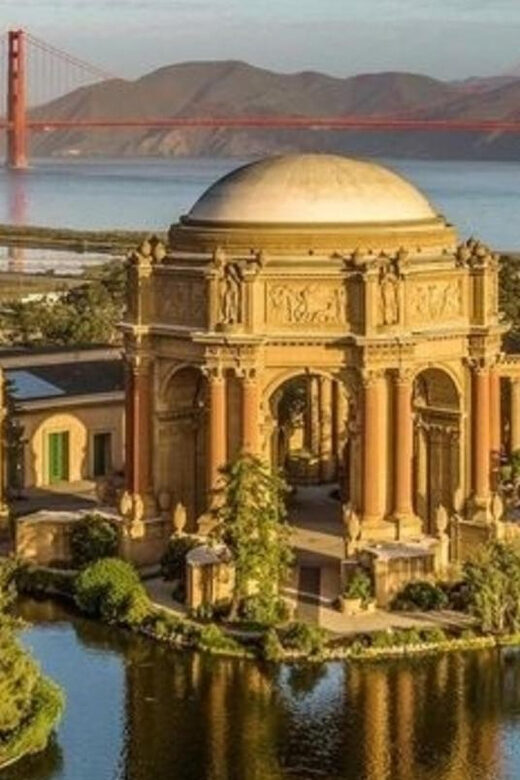
You meet your guide in front of The Hotel Castro. It’s a practical starting point because you can begin walking immediately, without spending time figuring out transit from a distant hotel or trying to piece together a route.
Right away, you’ll likely get “how to look at the neighborhood” advice. A good guide will help you see the Castro as layers: public symbols, personal stories, and the larger shifts in LGBTQ life over time. Even if you’re not a history buff, that framing can make the whole district click.
Wear comfortable shoes. This is a walking tour, and even if public transport gets used for a quick segment, your main experience is on foot.
Harvey Milk Plaza: why the tour begins with a person, not a plaque
Starting at Harvey Milk Plaza gives the walk a clear spine. It’s not a random photo spot. The whole point is to begin with civil-rights leadership and the way one person’s activism changed what was possible.
From there, you’re not just learning dates. You’re learning the shape of a movement—how visibility, organizing, and community support built momentum. That matters because the Castro didn’t become iconic by accident. It became a sanctuary through effort, risk, and community action.
If you’re visiting San Francisco for the first time, this is also a smart way to get your bearings. You’ll leave the plaza with context, so the rest of what you see feels connected instead of scattered.
Milk’s former residence and camera shop: history you can point at
A big draw here is the stop at Harvey Milk’s former residence and his camera shop. Those locations matter because they tie activism to ordinary places. This is the kind of history that doesn’t stay in a museum. You stand in the same general spots where people had conversations, planned actions, and built public presence.
One of the most useful things a good guide can do is connect physical locations to the human details you can’t get from a postcard. You’ll get the story behind why those places became meaningful and how they fit into the larger arc of LGBTQ activism in San Francisco.
This section is also where you should be thinking about your questions. If you want the most value, ask how Milk’s work linked to community organizing and why the camera shop became part of that network.
Castro Theatre and the rainbow flag: symbols with a local origin
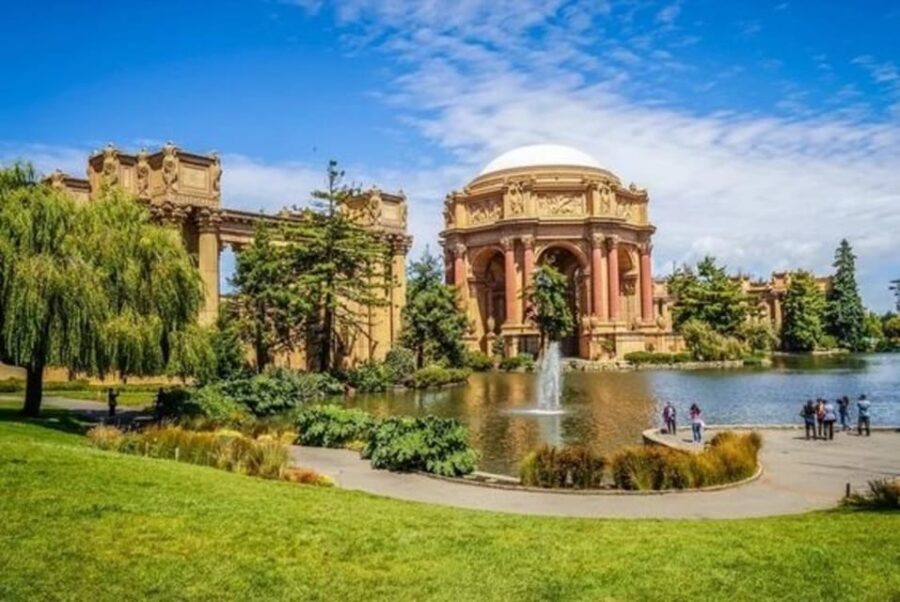
Next comes the Castro Theatre, where the rainbow flag flies. This stop works because it’s a visual anchor. Even if you know the rainbow flag conceptually, you’ll hear how it connects to the Castro’s identity and to a wider movement toward pride and unity.
The tour also includes the origins of the rainbow flag as a worldwide symbol. That’s important because people often treat the flag like it appeared fully formed. Here, you’ll learn how symbols travel—from a neighborhood context to something people can recognize far beyond it.
And yes, you’ll get plenty of time to look around. This is not a photo sprint. It’s the kind of stop where you’ll notice details about the street life and the feeling of the block, which is exactly what you want in a place like this.
You can also read our reviews of more private tours in San Francisco





The AIDS epidemic stories that shaped community here
A defining part of the tour covers the neighborhood’s role during the AIDS epidemic. This isn’t presented like a vague tragedy. The guide explains the Castro as a sanctuary and highlights how crucial community support was during those years.
For me, this is where the tour becomes emotionally real without becoming heavy just for the sake of it. When you understand the community’s response, the Castro’s visible pride symbols make more sense. They aren’t only about celebration. They’re also about survival, solidarity, and staying visible despite real danger.
If you prefer a lighter pace, tell your guide. A private tour can adjust tone while still covering the key facts. If you want the full story, ask for it directly.
Customization: how to steer a private walk to match your interests
This tour is private and customizable, which means you’re not limited to one set route and one set lecture. You can ask for more focus on what you care about—activism, architecture, everyday neighborhood details, or the meaning behind landmarks.
The tour also includes your guide sharing lots of practical advice for other things to do in the city. I like that because it turns the experience into more than a single district stop. It helps you plan the rest of your trip with someone who actually understands how San Francisco “flows.”
Here’s a simple way to get better value: start with your priorities before you walk. For example, if you care about LGBTQ history, say so early and ask your guide to spend a bit more time on the Milk-related stops and the epidemic-era context.
Walking logistics: comfortable shoes, smart pacing, and what’s included
This is a walking tour. The listing notes that public transport is included except if you select one of the options, but the core of the experience is on foot. That means your day planning should assume you’ll be moving at street level for most of the two hours.
What’s helpful: you won’t be stuck coordinating transit or trying to navigate between stops while also trying to read the neighborhood. You’ll have a guide handling the flow, and you’ll be able to focus on the story and what you’re seeing.
Also note what isn’t included. Entry to monuments and museums and tickets to attractions aren’t part of the tour price. If you want to add anything beyond the walking stops, that’s where extra costs can appear.
Price and value: is $100 per person fair for a private guide?
At $100 per person for a 2-hour private tour, the question isn’t just cost. It’s what you’re buying: time with a guide who can tailor the walk to you, plus an LGBTQ-focused route that starts with real civic context.
If you’re the kind of traveler who hates vague tours—where you get a lot of walking but not much meaning—private format can be worth it. You’re not competing for attention, and you can ask questions when something clicks.
That said, private tours are also higher stakes. If your guide’s preparation isn’t aligned with your interests, you’ll feel it. One of the lessons I’d take from the range of experiences people reported is simple: confirm your priorities and expectations at the start of the walk, especially around LGBTQ history in the Castro.
Who this tour is best for (and who might want something different)
This is ideal if you:
- Want Castro-specific LGBTQ context rather than generic city facts
- Like walking with a guide who can answer questions on the spot
- Are visiting during a short stay and want the district’s major cultural anchors covered in one go
- Appreciate symbolism explained in human terms, not just explained as trivia
It may feel less satisfying if you want a highly structured “museum style” presentation with lots of indoor time, since this is primarily a streets-and-stops walk. If you’re looking for heavy-ticket attractions, you’ll likely need to pair this tour with museum or monument visits on your own afterward.
Quick tips to get the most from your two hours
- Ask early what you’ll cover most deeply: Milk, rainbow flag symbolism, or the AIDS-era community role
- Bring questions, not just curiosity. The guide can only tailor so much without knowing what you care about
- Expect a thoughtful pace. You’ll learn more if you slow down at the meaningful corners
- If you’re also planning other neighborhoods, ask your guide for a practical route you can do next
Should you book the San Francisco Castro private walking tour?
I’d book this tour if you want a focused, LGBTQ-centered walk that gives context you can’t easily piece together from signage alone. The combination of Harvey Milk Plaza, Milk-related sites, and a stop at Castro Theatre gives you a strong backbone, and the rainbow flag and AIDS-era stories add meaning that stays with you after you leave.
I’d also book it with one mindset: be proactive. Since the experience is private and customizable, you’ll get the best outcome by telling your guide what you want out of the Castro. If you’re hoping for deep history, ask for it immediately rather than assuming it will be emphasized.
If your ideal tour is more about vibes and photo stops, you might still enjoy the walk—but you’ll want to steer it so it doesn’t turn into casual neighborhood browsing.
FAQ
How long is the San Francisco Castro private walking tour?
The tour lasts 2 hours.
Where do we meet the guide?
You meet your guide in front of The Hotel Castro.
Is the tour private?
Yes. It’s a private group, meaning you won’t be joined by others.
What languages are offered?
The live guide is available in English, French, Italian, and Spanish.
Are tickets to museums or monuments included?
No. Entry to monuments and museums and tickets to attractions are not included.
Is the tour wheelchair accessible?
Yes, the tour is wheelchair accessible.