REVIEW · SAN FRANCISCO
Castro District LGBTQ+ Historic Tour
Book on Viator →Operated by Mick's Bootique Tours · Bookable on Viator
This walk turns street signs into stories. In San Francisco’s Castro District, you follow a clear timeline of LGBTQ+ milestones with Eric Curry and see landmarks like Castro Theatre and Pink Triangle Memorial Park in about 1 hour 30 minutes. I love how the guide connects everyday places—shops, bars, and buildings—to the people who built the neighborhood. I also like the small scale: a max group size of 10 means you get attention without feeling rushed.
One thing to plan for: you’ll see several major sites from the sidewalk, and some entrances are not part of the tour. If you want lots of time inside the Castro Theatre or the GLBT Historical Society Museum, this may feel like too quick a pass on-site.
In This Review
- Key things to know before you go
- Getting Oriented in the Castro District at Harvey Milk Plaza
- Castro Theatre and the Original Rainbow Flag: Seeing Big Landmarks Up Close
- Pink Triangles Memorial Park: Where the Tour Gets Real
- Twin Peaks Tavern and the Bars That Built the Castro
- Price and Logistics: Does $39 Feel Worth It?
- Who This Tour Fits Best (and Who Might Prefer Something Else)
- Should You Book This Castro District LGBTQ+ Historic Tour?
- FAQ
- How long is the Castro District LGBTQ+ Historic Tour?
- What is the price?
- Where does the tour start and end?
- How many people are in the group?
- Is admission included for the Castro Theatre and the GLBT Historical Society Museum?
- Can I cancel for a full refund?
Key things to know before you go
- Start at Harvey Milk Plaza, end at The Mix so you can roll straight into a drink or snack after the walk.
- A max of 10 people keeps the pacing friendly and lets questions actually land.
- You learn the why, not just the what, including naming shifts like GLBT to LGBT and what the rainbow colors represent.
- The route balances joy and grief, moving from neighborhood landmarks to the Pink Triangles Memorial Park.
- Expect brief looks at big sites—the Castro Theatre and GLBT Historical Society Museum are important, but admission isn’t included.
Getting Oriented in the Castro District at Harvey Milk Plaza
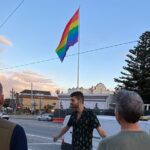
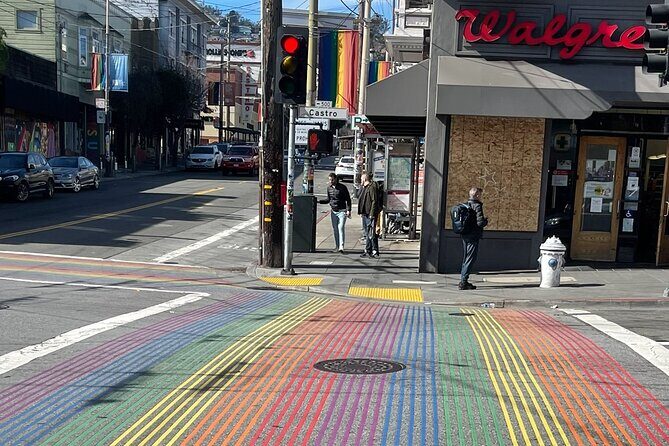
The tour begins at Harvey Milk Plaza. That matters, because it sets the tone fast: you’re not doing a random stroll—you’re starting at a place that ties people, politics, and community identity together. From the first moments, you get oriented around the Castro’s role in LGBTQ+ life in San Francisco.
At Stop 1, you spend about 30 minutes moving through the neighborhood while your local guide points out notable places—think shops, restaurants, and bars—along the way. This is where the walk feels practical. You’re learning what you’re actually looking at, not just watching someone recite dates. I like that the guide doesn’t keep everything in the past. The Castro is still a living neighborhood, and the tour treats it like one, with businesses you can still find today.
A couple of story anchors make this stop click:
- Harvey Milk lived and owned a camera shop in the area, so the tour can connect a person to a specific place you can point to.
- You’ll also hear about how the community took shape—your guide covers the role the US military played in forming parts of the neighborhood, and why the language shifted over time (GLBT to LGBT).
- The route also nods to today’s culture, including Queer Arts Featured, which helps bridge old activism with what’s happening now.
If you’re the kind of traveler who likes to come away with a mental map, this first stop does that quickly. You’ll also get a better feel for where you can wander later on your own, because you’ll know what each area “means.”
You can also read our reviews of more historical tours in San Francisco


Castro Theatre and the Original Rainbow Flag: Seeing Big Landmarks Up Close
Next up is the Castro Theatre. You’ll spend about 10 minutes here. The big draw is simple: it’s one of the last historic movie palaces from the 1920s. Even if you don’t go inside, it works because it shows how entertainment spaces helped shape social life. The guide’s framing is what turns a building into a story. You’re not just admiring architecture—you’re learning why places like this became part of the Castro’s public identity.
One practical note: admission isn’t included. So if you were hoping for a full theater visit, plan to do that separately. Still, as a “see it, learn it, move on” stop, it’s timed well.
Then you’ll head to the GLBT Historical Society Museum for about 10 minutes. You don’t enter. But this stop earns its time. The guide explains that the museum’s story and the neighborhood’s story are linked, and it’s also where the original rainbow flag is associated—important not just symbolically, but because it connects a single image to a movement.
This part of the tour is worth it even without tickets, because the point isn’t collecting experiences. It’s understanding symbolism. You’ll learn what the rainbow flag colors represent and how community language evolved over time. That’s the kind of knowledge that makes you understand what you’re seeing later—on posters, pride events, and even casual storefront signage.
What you’ll probably notice: the guide keeps transitioning smoothly. The tour doesn’t feel jumpy or chaotic. It moves like a story with sections, so the theater connects to the museum, and the museum connects to what comes next.
Pink Triangles Memorial Park: Where the Tour Gets Real
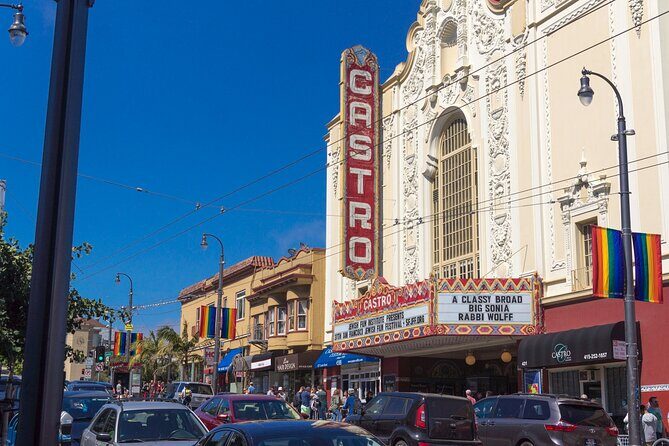
After the lighter look at landmarks, the walk turns heavier at Pink Triangles Memorial Park. This stop lasts about 20 minutes and is free to visit. It’s also the emotional anchor of the whole route.
Here, you’re looking at the first public monument honoring the approximately 15,000 gay and lesbian individuals killed during the Nazi regime from 1933 to 1945. That number is overwhelming, and the guide’s job is to hold the facts without turning it into a lecture. You’ll likely feel the difference in tone right away—this isn’t a “quick photo and next stop” moment.
Why this stop is so valuable:
- It connects LGBTQ+ history in the US to broader world events, showing that persecution wasn’t local or optional—it was deadly and systematic.
- It gives you a place to understand why memorials matter. They aren’t decoration. They’re a way to say the victims were real people, and the community remembers.
You should expect a quieter pace here. Bring your respect. If you’re the type who appreciates moments of reflection but still wants context, this stop hits the right balance.
Twin Peaks Tavern and the Bars That Built the Castro
Then comes Twin Peaks Tavern, another free stop, about 20 minutes. The tour frames this bar strip area as part of how the Castro solidified its role as a gay Mecca. In other words, you’re learning about how community spaces—especially bars—became social infrastructure.
This is where the tour feels grounded. The Castro’s story isn’t only in politics and monuments. It’s also in the practical reality of meeting places. Bars gave people a sense of belonging, and they helped new residents find community faster than word of mouth alone.
As you stand in the area, the guide ties the present back to earlier periods—how local businesses helped shape the neighborhood’s identity. Even if your interests lean cultural rather than political, this section makes the politics feel human. It explains how a place becomes a magnet.
And then you land at the official tour finish: The Mix at 4086 18th St. This part is more useful than it sounds. When you finish somewhere local and lively, you can keep the momentum going. You can grab a bite, have a drink, and keep talking to people about what you learned—without needing to plan a new transfer right away.
Price and Logistics: Does $39 Feel Worth It?
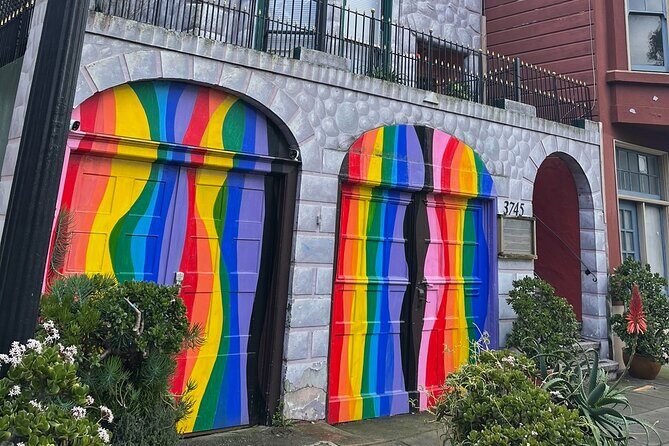
The tour costs $39.00 per person and runs about 1 hour 30 minutes. For San Francisco, that price is the real bargain part: you’re paying for focused interpretation from a local guide, not just for walking around.
Here’s why the value works:
- The group size is limited to 10 travelers, which usually means better engagement than big-bus tours.
- You get a structured route with stops that include both landmark viewing and meaning-making context.
- Several stops are free to visit (like Pink Triangles Memorial Park and the neighborhood/bar areas), so your money goes mainly into the guided storytelling.
What’s not included matters too. Castro Theatre and the GLBT Historical Society Museum are not included for admission. That doesn’t make the tour bad—it just means you’re getting the guided context first, and you can decide later whether you want deeper time inside. If you want everything to be all-in-one, check that expectation before you book.
Timing is also a factor. The tour starts at 3:00 pm. That’s nice because you avoid the early-morning scramble, but it also means you should plan your afternoon so you’re not sprinting to make it. If you’re arriving from outside the city earlier in the day, allow extra time to get to Harvey Milk Plaza.
Finally, you’ll get a mobile ticket. That keeps things simple and avoids paper tickets and confusion.
You can also read our reviews of more tours and experiences in San Francisco
Who This Tour Fits Best (and Who Might Prefer Something Else)
This is ideal if you want an LGBTQ+ oriented neighborhood walk that doesn’t feel like trivia time. It works especially well for:
- First-time visitors who want a map of the Castro’s major landmarks and what they mean
- Travelers who care about how symbols, language, and activism connect
- Anyone who likes local storytelling—especially if you appreciate a guide like Eric Curry, who keeps the pace engaging and makes people feel comfortable
It’s also a smart choice if you’re traveling alone. The tour is built for a small group, and the guide can make the experience feel less awkward, fast.
A consideration: the physical requirement is described as moderate fitness. It’s a walking tour, so you’ll want comfortable shoes and the willingness to keep moving for the full 1.5 hours.
Also, if your priority is spending lots of time inside major venues, you may feel the stop lengths are short. This tour gives you the context, not a long museum afternoon.
Should You Book This Castro District LGBTQ+ Historic Tour?
I think you should book if you want a guided, respectful walk that ties landmarks to real people and real events. The price is fair for what you get, and the small group size makes it feel personal rather than scripted. The combination of neighborhood orientation, Castro Theatre’s cinematic past, and the seriousness of Pink Triangles Memorial Park gives you a tour that covers more than one kind of truth.
Skip it or plan differently if you’re mainly looking for lots of indoor time. Since admission isn’t included for the Castro Theatre and the GLBT Historical Society Museum, you’ll want separate plans if that’s your top goal.
FAQ
How long is the Castro District LGBTQ+ Historic Tour?
The tour lasts about 1 hour 30 minutes.
What is the price?
It costs $39.00 per person.
Where does the tour start and end?
It starts at Harvey Milk Plaza (San Francisco, CA 94114) and ends at The Mix (4086 18th St, San Francisco, CA 94114).
How many people are in the group?
The tour has a maximum of 10 travelers.
Is admission included for the Castro Theatre and the GLBT Historical Society Museum?
No. Castro Theatre and the GLBT Historical Society Museum are listed as stops where admission is not included, and the museum stop is described as not entering.
Can I cancel for a full refund?
Yes. You can cancel for free up to 24 hours in advance of the experience for a full refund.