REVIEW · SAN FRANCISCO
San Francisco: Castro District LGBTQ+ History Tour
Book on GetYourGuide →Operated by The Native Experience · Bookable on GetYourGuide
San Francisco’s Castro has a story that hits. This 90-minute LGBTQ+ history tour weaves protest, memory, and policy into a walk you can follow street by street, starting at Harvey Milk Plaza and moving through key landmarks like the Pink Triangle Memorial. What makes it extra compelling is the guide’s first-hand, lifelong connection to the neighborhood, plus a historian’s attention to cause-and-effect.
I love how the tour doesn’t treat the Castro like a postcard. You learn how major forces shaped the community—down to the role of the US military—then you walk to places where that story was lived and fought over. I also liked the way Eric connects local sites to big turning points, so you leave with more than names.
One thing to consider: it’s an outdoor neighborhood walk, so crowds and setup noise can make hearing harder on busy days. I’d plan for that by wearing comfortable shoes and assuming you may need a moment to reposition when the Castro gets hectic.
In This Review
- Quick hits: What you’ll remember from the Castro tour
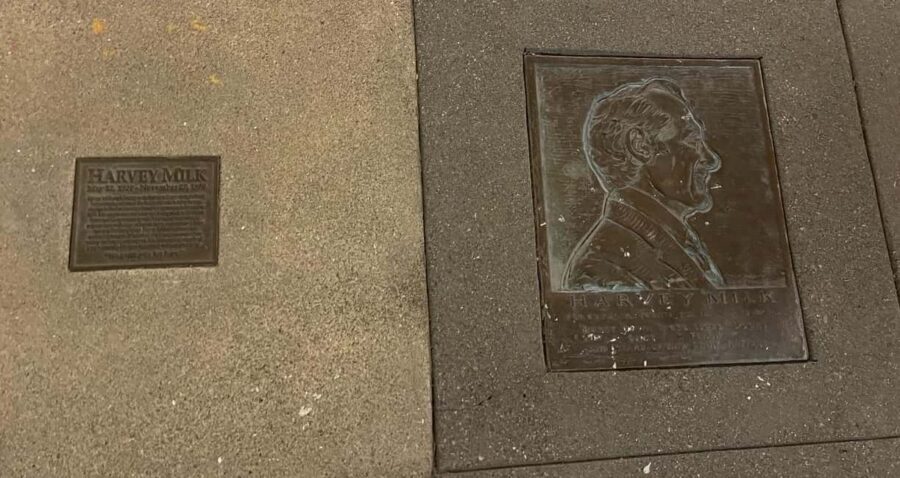
- Entering the Castro’s story at Harvey Milk Plaza
- Eric’s approach: history with a living point of view
- The US military angle: why the city’s LGBTQ+ rise wasn’t random
- Pink Triangle Memorial: turning memory into a lesson you can stand near
- Hibernia Beach (Castro LGBTQ+ Memorial): quiet reflection with citywide meaning
- The GLBT History Museum: facts you can pair with the street scene
- Jane Warner Plaza: named space, named legacy
- Harvey Milk’s former camera shop: activism at retail-store speed
- White Night Riots and the 1979 gay rights ordinance: where the story turns
- How the Castro’s pieces connect: from people to policy
- Price and value: is $39 for 90 minutes worth it?
- Practical details that matter on the ground
- Who this Castro LGBTQ+ History Tour fits best
- Should you book this tour or skip it?
- FAQ
- Where is the meeting point for the Castro LGBTQ+ History Tour?
- How long is the tour?
- What is the price per person?
- Is the tour guided by a local historian?
- Who is the guide?
- What stops are included on the tour?
- Does the tour cover the White Night Riots and the 1979 ordinance?
- Is the tour accessible for wheelchair users?
- What should I bring?
- Is cancellation allowed?
Quick hits: What you’ll remember from the Castro tour
- Eric, sixth-generation San Francisco native and historian: the storytelling comes with local context and real perspective.
- POC queer organizer and activist as your guide: you get clarity, not performance.
- Pink Triangle Memorial: one of the most direct places to understand Nazi-era persecution of gay prisoners.
- Hibernia Beach / Castro LGBTQ+ Memorial: a memorial stop that lands quietly, then stays with you.
- Harvey Milk’s former camera shop: campaigning and organizing tied to everyday storefront life.
- White Night Riots and the 1979 gay rights ordinance: you see how tragedy helped drive law and visibility.
Entering the Castro’s story at Harvey Milk Plaza
You meet at Harvey Milk Plaza, right by SoulCycle at 400 Castro Street. Even before you start walking, the setting matters: this is one of the Castro’s most symbolic crossroads, so the tour begins in the right emotional key.
Eric sets expectations early, and you can feel the structure. He guides you through a timeline, but he also keeps the tone human—what these places meant to people, and why some moments led to others. If you’re the kind of traveler who wants more than photos, this start gives you a map for your eyes.
You can also read our reviews of more historical tours in San Francisco

Eric’s approach: history with a living point of view
The biggest difference on this tour is who’s telling the story. Eric is a sixth generation San Francisco native and historian, and he’s also a POC queer organizer and activist. That mix shows up in how he explains events: not just what happened, but why people acted the way they did.
In my experience with tours like this, you often get dates and plaques. Here, you get relationships between events—how organizing, backlash, and community needs shaped what came next. One practical bonus from Eric’s style: he checked in during a busy day so people could still hear him, which helped keep the group engaged.
You’ll likely also appreciate how approachable the delivery is. The goal isn’t to make you feel like a student; it’s to help you understand what you’re seeing and why it mattered.
The US military angle: why the city’s LGBTQ+ rise wasn’t random
A standout part of the tour is how it addresses the role the US military played in forming the idea of the Castro as the gayest city on Earth. That’s not a throwaway mention—it’s part of the tour’s explanation of migration, networks, and how communities find each other.
This matters because the Castro didn’t grow in a vacuum. When you hear how military communities and arrivals intersected with safety, work, and social life, the neighborhood’s rise makes more sense. You’ll start noticing that the tour’s memorial stops aren’t isolated moments; they connect to the larger movement of people building a place to live openly.
If you prefer your history with a clear through-line, this portion is your anchor. It turns the Castro from a destination into a case study in how communities form under real-world pressure.
Pink Triangle Memorial: turning memory into a lesson you can stand near
Next comes the Pink Triangle Memorial, focused on the persecution of gay prisoners killed during the Nazi regime (1933 to 1945). This is one of those places where your brain slows down, because it’s specific in both time and purpose.
What I liked here is that the stop isn’t just about symbolism. You get the historical weight behind the pink triangle, and you learn why honoring these victims matters in LGBTQ+ history—especially because persecution targeted people in ways many mainstream histories ignore.
Practical tip: take a minute before you move on. The memorial is a “look first, then listen” stop. If you rush, you miss what the place is asking you to hold.
Hibernia Beach (Castro LGBTQ+ Memorial): quiet reflection with citywide meaning
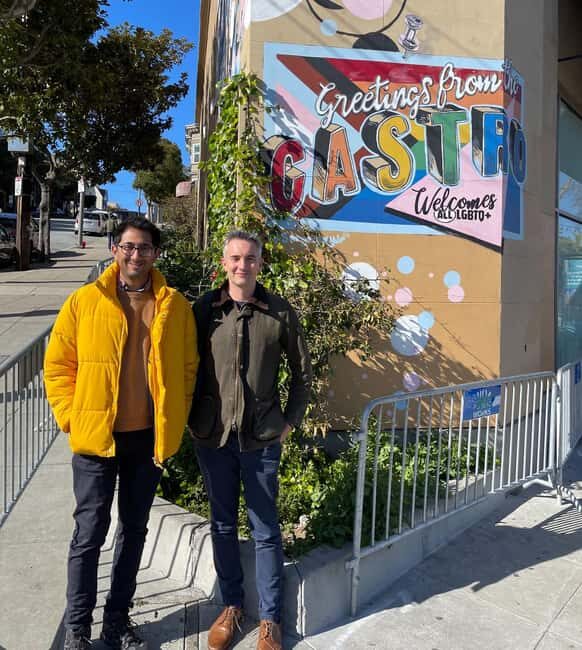
After that, you’ll visit Hibernia Beach, also known as the Castro LGBTQ+ Memorial. This stop feels different in mood from the memorial that’s anchored in the Nazi-era timeline. Instead of an educational wall of meaning, Hibernia Beach offers a softer, more reflective kind of remembrance.
I found this contrast useful. It shows you how the Castro keeps multiple threads of memory—global atrocities on one side, local and community grief on the other. Together, the two memorials help you understand that LGBTQ+ history is both deeply personal and shaped by large systems.
If you’re someone who reads memorials quickly, slow down here. The setting rewards a calmer pace, and you’ll probably remember it later when you’re walking around the neighborhood.
You can also read our reviews of more tours and experiences in San Francisco
The GLBT History Museum: facts you can pair with the street scene
The tour includes the GLBT History Museum. This is where the walk gains context you can revisit later, because museums let you stretch time. On a walking tour, you’re always moving; at a museum, you can stop, zoom in, and look again.
I like museum stops on history tours when they’re framed well, and this one is. You’re not just passing by; you’re being prepared to understand what you’ll see. Even if you don’t go inside on your own, knowing what the museum represents changes the way you interpret nearby landmarks.
A small consideration: museum access details aren’t spelled out here, so you’ll want to be ready for the possibility that the tour experience may focus more on the outside connection than on extended indoor time. Still, the cultural value of stopping here is clear.
Jane Warner Plaza: named space, named legacy
You’ll also visit Jane Warner Plaza, named after the first openly lesbian police officer on the San Anselmo police force. That detail is a reminder that LGBTQ+ history isn’t only about riots, parades, or campaign storefronts.
It’s also about institutions, policy, and visibility in places where people are used to seeing power as something they control. Seeing a plaza named for Jane Warner helps you understand how change can become permanent in the city’s physical map.
If you like learning “who gets remembered and why,” this stop pays off. It gives you a named legacy you can connect to the rest of the tour’s themes: acceptance that’s earned, not granted.
Harvey Milk’s former camera shop: activism at retail-store speed
One of the most memorable portions is visiting Harvey Milk’s former camera shop, plus areas connected to his campaign headquarters and residence. That combination—tools of everyday life, political organizing, and personal living—makes Milk’s story feel immediate.
This stop is powerful because it shows you that activism wasn’t confined to stages. It happened in real spaces where people walked in for supplies, where conversations could turn into strategy, and where organizing could be built into daily routines.
I also appreciated how Eric ties this location to what came before and after. You don’t just learn the legend; you learn the logistics of movement building—how visibility, persuasion, and timing matter.
If you’re hoping for a tour that makes Harvey Milk feel real rather than mythic, this part delivers.
White Night Riots and the 1979 gay rights ordinance: where the story turns
The Castro’s story takes a hard turn when the tour covers the White Night Riots and the landmark gay rights ordinance of 1979. This is the emotional core for many visitors, because it captures how communities respond when the legal system and public safety collide with identity.
What I found valuable is the way these moments are handled as legacies. You can tell the tour isn’t there to shock you. It’s there to explain why those events changed the community’s thinking, and why policy followed activism.
The 1979 ordinance stands out as a practical payoff: not just protest, but translation into law. When you connect the dots from earlier struggles to the ordinance, the neighborhood stops feeling like a single straight line of progress. It becomes what it really is—progress with setbacks, then progress again.
How the Castro’s pieces connect: from people to policy
By the end, the Castro feels like a connected network, not a pile of famous stops. That’s the real win of a focused 90-minute format: you’re guided through a sequence that makes cause and effect easy to spot.
You’ll likely notice themes repeating:
- visibility in public space,
- protection and persecution,
- organizing under pressure,
- and the slow grind from street action to legal change.
Eric’s background helps here. Being both a historian and an activist organizer means the tour can switch gears without losing the thread. You don’t get stuck in pure dates, and you don’t get stuck in pure feelings either.
Price and value: is $39 for 90 minutes worth it?
At $39 per person for a 90-minute guided experience, I think the value depends on what you want from your trip.
If you want a basic orientation—where to take photos, what the Castro looks like—this might feel like more than you need. But if you want context, and you want it delivered by someone like Eric who brings lived neighborhood awareness, the price-to-story ratio is strong.
This is also not a vague history talk. You’re visiting specific memorials and named sites, including the Pink Triangle Memorial and Milk-linked locations. That kind of guided walking adds value because it turns static plaques into a guided explanation you can actually absorb in the moment.
So my advice is simple: pay for the narrative you can’t easily read on your own in a quick pass through the neighborhood.
Practical details that matter on the ground
- Bring comfortable shoes. You’ll be walking through the Castro area, and you’ll want your feet to stay happy.
- Plan for real street conditions. The neighborhood can be busy, and on hectic days like Halloween, setup noise and construction can affect hearing. Eric’s approach includes checking in so you can still follow along.
- Expect an English-language, live guided format. This is the kind of tour where questions and real conversation can make it even better.
Who this Castro LGBTQ+ History Tour fits best
I’d especially recommend this tour if:
- you want a structured LGBTQ+ history walkthrough that connects global persecution to local organizing,
- you enjoy memorial sites paired with context (not just sightseeing),
- you’re interested in Harvey Milk’s work beyond the headlines,
- and you like hearing stories from someone who lives the neighborhood, not just visits it as a professional guide.
It may be less ideal if you’re seeking a purely light, casual tour with no heavy topics. This tour touches persecution, riots, and policy battles, even though the pacing stays thoughtful.
Should you book this tour or skip it?
Book it if you want your Castro visit to feel anchored in meaning. This tour gives you a clear timeline, specific stops like the Pink Triangle Memorial and Jane Warner Plaza, and a guide who blends history with organizing experience.
Skip it only if you already feel fully oriented and want something more casual and photo-first. Otherwise, for $39 and 90 minutes, you’re getting an efficient, guided way to understand why the Castro is what it is today.
You’ll walk away with names, places, and cause-and-effect relationships that make the neighborhood easier to read on your own afterward.
FAQ
Where is the meeting point for the Castro LGBTQ+ History Tour?
You meet at Harvey Milk Plaza, next to SoulCycle, at 400 Castro Street.
How long is the tour?
The tour lasts 90 minutes.
What is the price per person?
The price is $39 per person.
Is the tour guided by a local historian?
Yes. The experience includes a guided tour with a local historian.
Who is the guide?
The guide is a sixth generation San Francisco native and historian, and also a POC queer organizer and activist.
What stops are included on the tour?
Key stops include the Pink Triangle Memorial, Hibernia Beach / Castro LGBTQ+ Memorial, the GLBT History Museum, Jane Warner Plaza, and Harvey Milk’s former camera shop, along with related campaign headquarters and residence points.
Does the tour cover the White Night Riots and the 1979 ordinance?
Yes. It unpacks the legacies of the White Night Riots and the landmark gay rights ordinance of 1979.
Is the tour accessible for wheelchair users?
Yes, the tour is wheelchair accessible.
What should I bring?
Wear comfortable shoes.
Is cancellation allowed?
Yes. There is free cancellation up to 24 hours in advance for a full refund.